1. Introduction: Roof Algae Stains and Their Impact
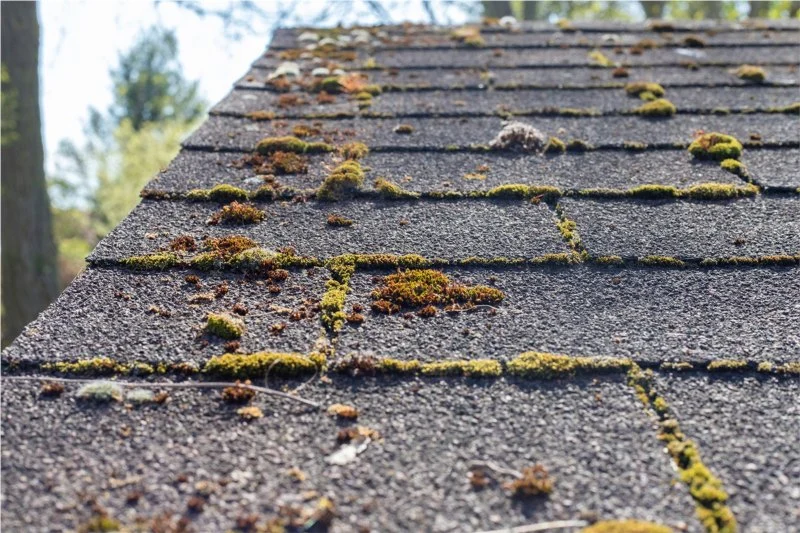
Roof algae stains are a common problem for homeowners, especially in areas with high humidity and moisture. These unsightly black streaks can damage the appearance of your roof and, over time, may lead to more serious issues like premature aging of roofing materials. Many homeowners turn to pressure washing as a quick fix to remove these stains, but did you know that pressure washing could actually cause more harm than good? In this article, we’ll explain why pressure washing is a bad idea for roof algae stain removal and explore safer, more effective alternatives.
Edil Construction
Silver SpringMontgomery CountyMaryland
12819 Crisfield Rd, Silver Spring, MD 20906, USA
2. What Causes Roof Algae Stains?
Roof algae, typically known as Gloeocapsa Magma, thrive in warm, moist environments and can spread quickly, creating the black streaks that are often mistaken for dirt. These algae feed on the limestone in roofing materials, breaking down the integrity of the roof and causing permanent damage if left untreated. Algae are more common on north-facing roofs or in areas that receive less sunlight, making them a problem for many homeowners in humid climates.
While algae may not be as damaging as moss or lichen, it can still lead to roof deterioration over time if not properly addressed. The problem is, many people attempt to clean these stains with high-pressure washing, unaware that this method can exacerbate the issue.
3. Why Pressure Washing is a Bad Idea for Roof Algae Removal
Pressure washing seems like an easy solution for cleaning stubborn roof stains, but it’s not the best approach for several reasons:
3.1. Risk of Roof Damage
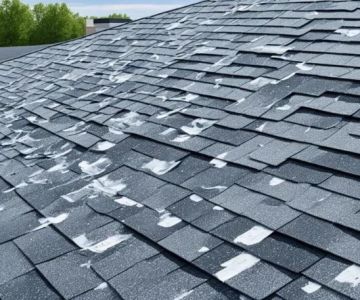
One of the main problems with pressure washing is that it can cause physical damage to your roof. The high-pressure water stream can loosen or dislodge roofing materials such as shingles, tiles, or asphalt, leading to leaks, cracks, and other forms of damage. Over time, this can result in costly repairs or even the need for a full roof replacement.
3.2. Removal of Protective Coatings
Many roofs, especially those with asphalt shingles, have a protective coating designed to resist algae and other organic growth. Pressure washing can strip away these coatings, making your roof more vulnerable to future algae growth and other environmental damage. This short-term solution can lead to long-term problems.
3.3. Ineffective at Reaching Deep Stains
While pressure washing may remove the visible surface layer of algae, it often fails to penetrate deeply into the stains or reach the root of the problem. Algae can grow beneath the surface of the shingles, and pressure washing only treats the surface, leaving the underlying algae to continue thriving.
3.4. Environmental Damage
Pressure washing also risks damaging the surrounding environment. The runoff from pressure washing can carry harmful chemicals and algae spores into your yard, affecting plants, trees, and even local waterways. Using chemicals to clean algae further increases this environmental risk.
4. Safe and Effective Alternatives to Pressure Washing
Instead of using pressure washing, there are safer, more effective ways to remove roof algae and keep your roof in good condition.
4.1. Soft Washing
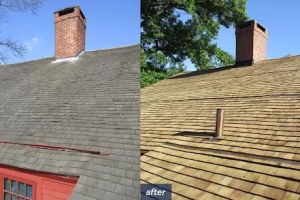
Soft washing is a gentler alternative to pressure washing. This method uses low-pressure water combined with a cleaning solution to safely remove algae stains without damaging the roof. The solution typically contains a combination of bleach or other algae-killing agents that break down the organic material and kill the algae at its roots. Soft washing is much safer for your roof, ensuring that shingles or tiles remain intact.
4.2. Algae-Resistant Roof Treatments
After cleaning your roof, consider applying an algae-resistant treatment to prevent future growth. Many roof cleaning services offer treatments that help to prevent algae from reappearing for several years. These treatments work by coating your roof with a protective layer that resists algae and other organic growth.
4.3. Regular Roof Maintenance
Regular roof maintenance can help prevent algae growth in the first place. Keeping your gutters clean, trimming overhanging trees, and ensuring proper roof ventilation can all help reduce the factors that contribute to algae growth. Additionally, installing zinc or copper strips near the ridge of your roof can prevent algae from forming by slowly releasing natural metals that algae cannot tolerate.
5. Real-Life Example: How Pressure Washing Led to Costly Repairs
Take the case of the Johnson family, who had been struggling with algae stains on their roof for years. Thinking that pressure washing was the quick solution, they hired a company to clean their roof. However, the high-pressure water damaged their shingles, leading to leaks and further deterioration. The cost of repairing the damage far exceeded the amount they would have spent on a safer cleaning method. In the end, they had to replace parts of their roof, which could have been avoided if they had opted for soft washing instead.
6. How to Find Safe Roof Cleaning Services
If you're looking for a safe and effective way to remove roof algae stains, it's important to hire a reputable roof cleaning service that specializes in soft washing. At BeachCo Roofing Hub, we provide expert recommendations for reliable roof cleaning services that prioritize roof safety and effective algae removal techniques. Don't risk the integrity of your roof with pressure washing—choose soft washing for long-term results.
Visit BeachCo Roofing Hub today to find trusted roof cleaning professionals near you and ensure your roof stays in top condition!
 Power Roofing Downtown Brooklyn5.0 (68 reviews)
 Triple R Roofing5.0 (82 reviews)
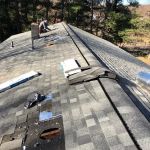 Benoit Construction Group LLC5.0 (1 reviews)
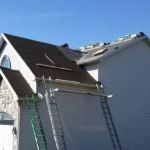 M.D.Troup home Improvement5.0 (3 reviews)
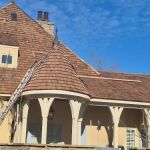 Xpert Roofing Pro5.0 (62 reviews)
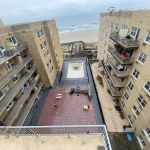 McFar Contracting Corp5.0 (1 reviews)
 The Lifespan of a Roof Under Constant Freeze-Thaw Cycles – Key Factors to Consider
 The Cost of a New Roof with a 50-Year Warranty: What You Need to Know
 How to Repair a Roof Valley: Why This Critical Area is Prone to Leaks
 How to Choose a Roofing Material for a Building in a Noise-Sensitive Area
 How to Choose the Best Roofing Material for a Building with a Green Roof System
 The Cost of a New Roof with Integrated Solar Readiness Features