
How to Identify and Repair Roof Damage from Sea Spray in Coastal Homes
- - Understanding Sea Spray and Its Effects on Roofs
- - Common Signs of Roof Damage from Sea Spray
- - Steps to Repair Roof Damage from Saltwater Exposure
- - Preventative Measures to Protect Your Roof
- - When to Seek Professional Help for Roof Repairs
1. Understanding Sea Spray and Its Effects on Roofs
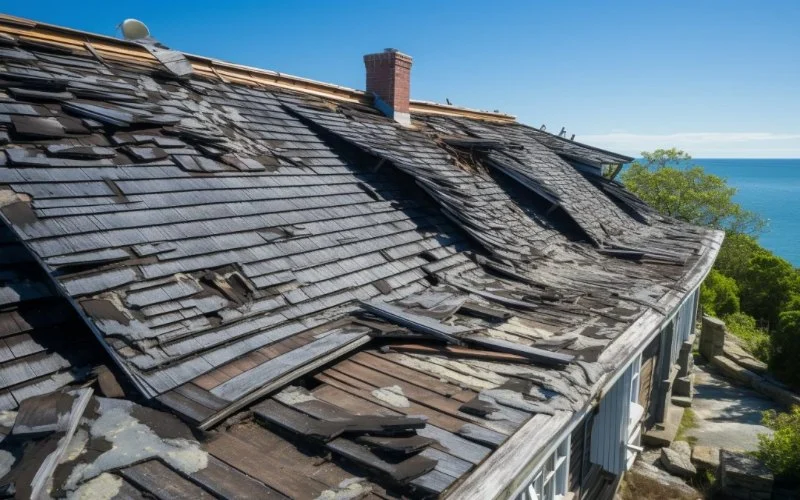
Living in a coastal area comes with its unique set of challenges, especially when it comes to maintaining your home. One of the most significant threats to the roof of homes near the coast is the corrosive effects of sea spray. Sea spray consists of tiny droplets of saltwater carried by ocean winds. These saltwater droplets can accumulate on roofs and over time cause serious damage to roofing materials, leading to costly repairs if not addressed promptly.
In coastal regions, roofs are constantly exposed to the elements, including harsh winds, saltwater, and moisture. Salt from the sea can be particularly damaging to roofing materials, accelerating corrosion and degrading the integrity of the structure. Understanding how sea spray impacts roofs and how to prevent and repair the damage is key to maintaining your home’s roofing system.
Eagle Home Improvement LLC
NaugatuckNaugatuck Valley Planning RegionConnecticut
192 Quinn St, Naugatuck, CT 06770, USA
2. Common Signs of Roof Damage from Sea Spray
Coastal homeowners should be vigilant about inspecting their roofs, as sea spray can cause gradual, often unnoticed damage. The most common signs of roof damage from saltwater exposure include:
Atlantic Exteriors Inc.
FarmingdaleSuffolk CountyNew York
130 Carolyn Blvd Unit D, Farmingdale, NY 11735, USA
2.1. Corrosion of Metal Components
One of the most obvious effects of sea spray on roofs is corrosion. Metal roofing materials, gutters, and flashing are especially vulnerable to the corrosive nature of saltwater. Over time, exposure to sea spray can cause rust to form on metal surfaces, weakening the material and leading to leaks and structural damage.
2.2. Granule Loss on Asphalt Shingles
For homes with asphalt shingle roofs, prolonged exposure to saltwater can cause the shingles to degrade. The granules on asphalt shingles, which provide UV protection and weather resistance, can start to wear away. As the granules diminish, the shingles become more susceptible to water damage, UV degradation, and cracking, ultimately shortening the lifespan of the roof.
2.3. Moss and Algae Growth
Sea spray, combined with the moisture from coastal air, can create an environment conducive to moss and algae growth on roofs. Moss and algae can retain moisture, which can damage shingles and other roofing materials, leading to rot and mold growth. Regular cleaning is essential to prevent these growths from causing permanent roof damage.
2.4. Cracking or Warping of Roofing Materials
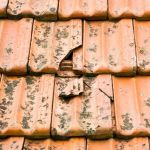
Saltwater exposure can cause roofing materials, especially wood or synthetic materials, to weaken. Over time, the materials may begin to crack, warp, or become brittle. This can lead to leaks or even structural issues that require immediate repair.
3. Steps to Repair Roof Damage from Saltwater Exposure
If you notice signs of damage caused by sea spray, it's crucial to take action promptly to prevent further deterioration. Here are some steps you can follow to repair roof damage caused by saltwater exposure:
3.1. Clean the Roof and Remove Salt Build-up
Cleaning your roof regularly can help prevent salt from accumulating on the surface. Use a gentle solution of water and mild soap to scrub away salt deposits. For larger build-ups, a pressure washer with a low-pressure setting can be used to remove stubborn salt deposits. Be sure to clean not only the shingles but also the gutters and downspouts, where salt can accumulate and block proper drainage.
3.2. Inspect and Repair Corroded Metal Parts
Inspect metal components of the roof, such as flashing, gutters, and vents, for signs of rust or corrosion. If rust is present, it’s important to treat the affected areas with a rust remover or a corrosion-resistant primer. In cases of severe corrosion, parts may need to be replaced entirely. Regular maintenance, such as painting or sealing metal components, can also help extend their lifespan.
3.3. Replace Damaged Shingles
If you notice that asphalt shingles are losing granules or becoming cracked, it may be time to replace them. Depending on the extent of the damage, you may need to replace individual shingles or, in extreme cases, entire sections of the roof. Make sure to choose high-quality shingles that are designed for coastal conditions and offer enhanced resistance to saltwater and UV exposure.
3.4. Treat Moss and Algae Growth
If moss or algae have started to grow on your roof, it's important to remove them quickly to prevent further damage. Use a moss and algae cleaner specifically designed for roofs. After cleaning, apply a moss-repellent solution to help prevent future growth. For severe infestations, you may need to replace the affected shingles or materials.
4. Preventative Measures to Protect Your Roof
While repairing existing damage is essential, taking preventative measures can help protect your roof from sea spray and saltwater in the future. Here are some ways to protect your roof from the effects of coastal weather:
4.1. Choose Durable, Salt-Resistant Roofing Materials
When replacing your roof, consider choosing materials that are resistant to saltwater and coastal conditions. Metal roofing, for example, is highly durable and resistant to salt corrosion. Synthetic shingles designed for coastal climates are also a good option, as they are engineered to withstand harsh conditions.
4.2. Regular Roof Inspections
Conducting regular roof inspections is vital for early detection of damage. Have a professional roofer inspect your roof at least once a year, or more frequently if you live in a particularly coastal area. This helps identify problems before they become major issues.
4.3. Apply Protective Coatings
Applying a protective coating to your roof can help prevent saltwater damage and extend the life of your roofing materials. Some coatings are designed to resist corrosion, while others help protect against UV damage and moisture buildup.
5. When to Seek Professional Help for Roof Repairs
If you’re unsure about the extent of the damage or how to proceed with repairs, it’s best to consult with a professional roofing contractor. A professional can help assess the situation, provide expert recommendations, and perform necessary repairs or replacements to ensure your roof is in top condition.
For reliable roofing services and expert advice on maintaining your roof in a coastal environment, visit BeachCo Roofing Hub. We can help you protect your home from the damaging effects of sea spray and coastal weather.

 Roofing Right Now, a division of Home Improvement Right Now, LLC5.0 (10 reviews)
 Residential Homes Services Inc.5.0 (17 reviews)
 Priddy Roofing And Exteriors5.0 (23 reviews)
 Home Services Advertiser0.0 (0 reviews)
 Top NJ Construction & Roofing5.0 (97 reviews)
 Precision Roofers of Englishtown0.0 (0 reviews)
 How to Identify and Repair Roof Damage from Sea Spray in Coastal Homes
 What is a Roofing Nail Gun and How to Use It Safely
 The Cost of Roof Replacement in Different US Regions: What You Need to Know
 How to Install Roof Heat Cable on an EPDM Rubber Roof
 How to Handle Roof Damage Caused by Fallen Tree Branches
 Tile Roof Repair: How to Handle Cracked and Broken Tiles