
- 1 - Understanding the Risk of High Winds
- 2 - Factors that Influence Shingle Loosening
- 3 - Best Ways to Secure Roof Shingles
- 4 - Roof Maintenance and Inspection Tips
- 5 - Case Studies and Success Stories
1. Understanding the Risk of High Winds
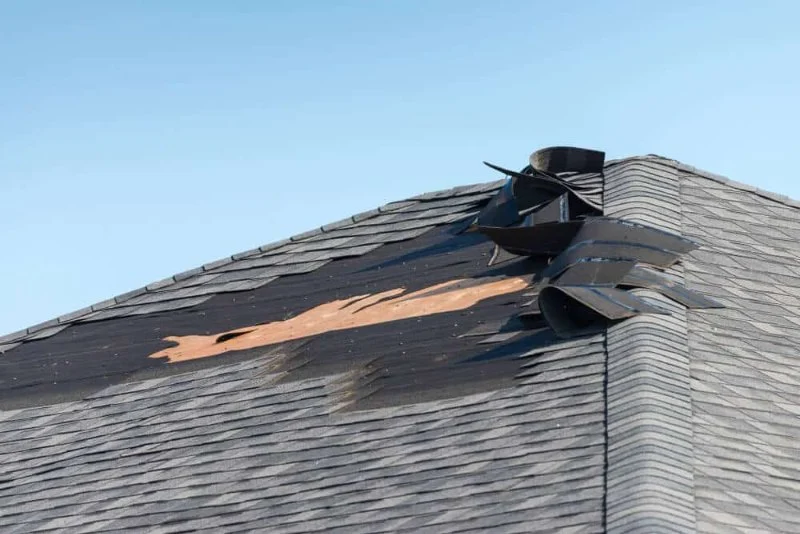
High winds, particularly during storms or hurricanes, can cause significant damage to roofs, including blowing shingles off. Roof shingles are designed to withstand a certain level of wind, but excessive gusts can quickly compromise their integrity. Understanding the risks associated with high winds is the first step in ensuring your roof is prepared.
It’s important to note that wind speeds can vary, and the severity of wind damage depends on factors such as the age of your roof, the quality of the shingles, and how well the roof was installed. Homes located in coastal or high-wind areas are at higher risk of shingle damage.
2. Factors that Influence Shingle Loosening
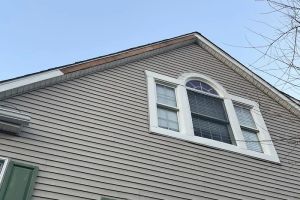
Several factors contribute to roof shingles becoming loose and blowing off during high winds. These include:
- Age of the Roof: Older roofs may have weakened shingles due to prolonged exposure to the elements, making them more susceptible to wind damage.
- Shingle Quality: The type and quality of shingles used during installation play a significant role in their ability to resist wind damage. Higher-quality shingles are generally more durable and better at withstanding extreme weather conditions.
- Improper Installation: If the shingles were not installed properly, such as insufficient adhesive or incorrect nailing, they are more likely to be blown off during a storm.
- Severe Weather Conditions: Intense storms or hurricanes with gusts over 70 mph can cause even the most well-installed shingles to loosen and fly off.
Understanding these factors helps you identify potential vulnerabilities in your roof and take preventive measures before a storm hits.

AM PM Roofing
New LondonSoutheastern Connecticut Planning RegionConnecticut
81 Granite St, New London, CT 06320, USA
3. Best Ways to Secure Roof Shingles
There are several effective ways to prevent roof shingles from blowing off in high winds:
- Use Wind-Resistant Shingles: Consider using impact-resistant or wind-resistant shingles that are specifically designed to withstand high winds. These shingles are built to adhere better and provide stronger protection against gusty conditions.
- Install Starter Shingles: Starter shingles create a stronger seal along the edges of your roof, helping to secure the rest of the shingles in place and reduce the likelihood of them being blown off.
- Apply Roof Sealant: Applying a roof sealant or adhesive to your shingles can add an extra layer of protection, ensuring that the shingles remain firmly attached during high winds.
- Use Correct Nailing Techniques: Proper installation is key. Ensure that your shingles are nailed according to manufacturer guidelines, with the correct number of nails and proper placement, to avoid wind damage.
- Install Storm Clips: These metal clips provide additional security by securing the roof structure to the framing of the house, preventing the shingles from being lifted during a storm.
Implementing these strategies can significantly reduce the risk of shingles blowing off in high winds, especially in areas prone to extreme weather conditions.
4. Roof Maintenance and Inspection Tips
Regular roof maintenance and inspection are crucial for identifying potential issues before they become serious problems. Here are some maintenance tips:
- Inspect Shingles Regularly: Check your roof for loose, damaged, or missing shingles. Replace any shingles that appear worn or cracked before they become a bigger problem.
- Clean Gutters: Ensure that gutters are free of debris to allow water to flow freely and prevent unnecessary weight on the roof that could cause damage.
- Check for Proper Ventilation: A well-ventilated attic reduces heat buildup and prevents moisture accumulation, which can weaken shingles over time.
- Reapply Roof Sealant: Every few years, consider reapplying roof sealant to ensure that your shingles are securely fastened and your roof is protected against the elements.
These simple steps can help prolong the life of your roof and prevent costly repairs down the line.
5. Case Studies and Success Stories
Hearing from others who have successfully secured their roofs against high winds can provide valuable insights. For example, *a homeowner in Florida* who experienced multiple hurricanes implemented wind-resistant shingles and storm clips, which significantly reduced the number of shingles lost during subsequent storms. Their roof remained intact, despite winds reaching up to 120 mph, illustrating the effectiveness of proactive measures.
These success stories highlight how homeowners can protect their roofs with the right materials and techniques, ensuring peace of mind during storm season.



 Unrivaled Roofing Repairs5.0 (10 reviews)
 AAA Roofing4.0 (146 reviews)
 Affordable Roofing & Contracting1.0 (12 reviews)
 ProLine Roofing5.0 (24 reviews)
 SWELL Roofing Co.0.0 (0 reviews)
 Werkheiser Painting & Roofing3.0 (13 reviews)
 How to Install a Roof Cricket on a PVC Roof Membrane
 Best Roofing Materials and Costs for 2024 – Complete Guide
 How to Install Roof Snow Guards on a Tile Roof
 The Best Roofing Materials for Houses in the Desert Southwest
 How to Choose a Roofing Material for High Wind Areas
 How to Choose a Roofing Contractor That is Certified by Major Manufacturers