- #what-class-4-and-class-a-mean
- #cost-breakdown-for-premium-roofing
- #materials-that-meet-these-standards
- #hidden-costs-and-considerations
- #real-homeowner-upgrade-story
- #how-to-choose-the-right-roof
Understanding Class 4 Impact and Class A Fire Ratings
When homeowners begin researching roofing upgrades, they often encounter terms like “Class 4 impact rating” and “Class A fire rating.” While these labels may sound technical, they directly affect both the durability and cost of your roof.
A Class 4 impact rating is the highest level of resistance against hail and debris. Roofing materials with this rating are tested to withstand significant impact without cracking. Meanwhile, a Class A fire rating represents the highest level of fire resistance, helping prevent flames from spreading across the roof surface.
Choosing a roof that combines both ratings means investing in protection, longevity, and potentially lower insurance premiums—but it also comes with a higher upfront cost.
ALL UNITED Roofing and Siding, LLC
WilmingtonNew Castle CountyDelaware
313 S Walnut St, Wilmington, DE 19804, USA
Breaking Down the Cost of a New Roof with High Ratings
1. Material Costs
1.1 Premium Shingles and Materials
Class 4 impact-resistant shingles typically cost more than standard asphalt shingles due to their reinforced design.
1.2 Fire-Resistant Components
Class A fire-rated systems may include specialized underlayment and treated materials that increase overall cost.
2. Labor Costs
2.1 Skilled Installation
Installing high-performance roofing systems often requires experienced contractors, which can raise labor rates.
2.2 Project Complexity
Roof pitch, size, and accessibility all influence labor pricing.
3. Average Price Range
In the United States, the cost of a new roof with a Class 4 impact rating and Class A fire rating typically ranges from $8,000 to $20,000 or more, depending on the size of the home and materials used. On a per-square-foot basis, this often falls between $6 and $12.
Common Roofing Materials That Meet Both Standards
1. Impact-Resistant Asphalt Shingles
1.1 Reinforced Composition
These shingles include polymer blends or rubber-like materials to absorb impact.
1.2 Popular Choice
They offer a balance between cost and performance, making them widely used in residential projects.
2. Metal Roofing Systems
2.1 High Durability
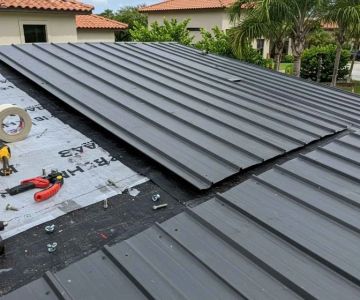
Metal roofs naturally resist impact and can achieve Class A fire ratings.
2.2 Long Lifespan
They often last significantly longer than traditional shingles.
3. Tile and Slate Roofing
3.1 Superior Fire Resistance
These materials are inherently non-combustible.
3.2 Higher Cost
While durable, they are among the most expensive options.
Hidden Costs That Can Affect Your Budget
1. Roof Deck Repairs
1.1 Structural Issues
During installation, contractors may find damaged decking that needs replacement.
1.2 Additional Labor
Repairs increase both time and cost.
2. Insurance and Permit Fees
2.1 Permit Requirements
Local regulations often require permits, adding to expenses.
2.2 Insurance Adjustments
While some insurance companies offer discounts for impact-resistant roofs, upfront costs may still be significant.
3. Upgrades to Meet Code
3.1 Ventilation Improvements
Proper airflow systems may be required for compliance.
3.2 Underlayment Enhancements
Fire-rated underlayment may be necessary for full compliance.
A Real Story: Investing in Protection Paid Off
A homeowner in Colorado decided to upgrade to a Class 4 impact-resistant roof after experiencing repeated hail damage. Initially, the cost seemed steep—about $15,000 compared to a $10,000 standard replacement.
However, within two years, another major hailstorm hit the area. While neighboring homes required repairs, their upgraded roof remained intact. Additionally, their insurance premium decreased, helping offset the initial investment.
This experience highlights how higher upfront costs can translate into long-term savings and peace of mind.
How to Choose the Best Roofing Option for Your Home
1. Evaluate Your Local Climate
1.1 Hail-Prone Areas
Class 4 impact resistance is especially valuable in regions with frequent storms.
1.2 Fire Risk Zones
Class A fire ratings are critical in wildfire-prone areas.
2. Balance Cost and Value
2.1 Short-Term vs Long-Term Savings
While premium roofs cost more upfront, they may reduce maintenance and insurance costs over time.
2.2 Resale Value
High-quality roofing can increase your home’s market appeal.
3. Work with Trusted Resources
Finding reliable contractors and materials is key to a successful project. BeachCo Roofing Hub offers valuable guidance, helping homeowners compare options, understand costs, and connect with trusted professionals.
Choosing a roof with both a Class 4 impact rating and Class A fire rating is more than a construction decision—it’s an investment in safety, durability, and long-term value. By understanding the full cost and benefits, you can make a confident choice that protects your home for years to come.

 RPM Roofing and Paving5.0 (7 reviews)
 Garden State Roofing & Siding4.0 (50 reviews)
 Kearny Roofing Contractor Repair & Installation5.0 (11 reviews)
 Roof Solutions, Inc.4.0 (31 reviews)
 O'Donnell Roofing Co.4.0 (197 reviews)
 Economic Roofing Co3.0 (18 reviews)
 The Pros and Cons of Green Roofs or Living Roofs: Are They Worth the Investment?
 How to Repair a Roof Leak from a Rooftop Garden or Green Roof
 Cedar Shake Roof Maintenance: Cleaning, Treating, and Repairing Wood Shakes
 How to Repair a Roof Leak in a Building with a Recycled Material Roof
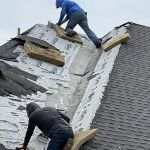 The Cost of a New Roof with a Class 4 Impact-Resistant Rating
 The Complete Guide to Roofing Insurance Claims: How to Get Your Claim Approved