- 1- Why Roof Ventilation Is Important
- 2- Types of Roof Ventilators: Static, Powered, Turbine, or Ridge
- 3- How to Choose the Best Roof Ventilator
- 4- Benefits of Proper Roof Ventilation
- 5- Where to Buy Roof Ventilators
1. Why Roof Ventilation Is Important
Proper roof ventilation is essential for maintaining the health of your roof and your home. A well-ventilated attic helps to regulate temperature and humidity, preventing moisture buildup, mold growth, and premature roof deterioration. Without adequate airflow, heat can become trapped in the attic, which can lead to increased cooling costs in the summer and cause ice dams in the winter.
By installing the right roof ventilator, you ensure that air circulates freely in your attic, helping to improve energy efficiency and prolong the lifespan of your roof. But how do you choose the best type of roof ventilator? This depends on several factors, such as the size of your attic, the climate, and your ventilation needs.
2. Types of Roof Ventilators: Static, Powered, Turbine, or Ridge
When it comes to roof ventilators, there are several types to choose from. Each type has its unique advantages depending on the conditions of your home and your ventilation requirements. Here’s a breakdown of the most common types of roof ventilators:
2.1 Static Roof Ventilator
Static roof ventilators, also known as static vents, are simple, passive devices that allow hot air and moisture to escape from the attic naturally. They are typically installed at the highest point of the roof and work by relying on natural convection—hot air rises and exits through the vent. This type of ventilator is cost-effective and low-maintenance, making it an excellent choice for homeowners who don’t need an active ventilation system.
2.2 Powered Roof Ventilator
Powered roof ventilators, or electric vents, are active ventilation systems that use a fan to force hot air out of the attic. These vents are powered by electricity, so they can operate continuously or on a timer to keep airflow moving. Powered ventilators are ideal for homes in hot climates where passive systems might not be sufficient to remove heat quickly enough. They are also beneficial for larger attics that require more airflow than static vents can provide.
2.3 Turbine Roof Ventilator
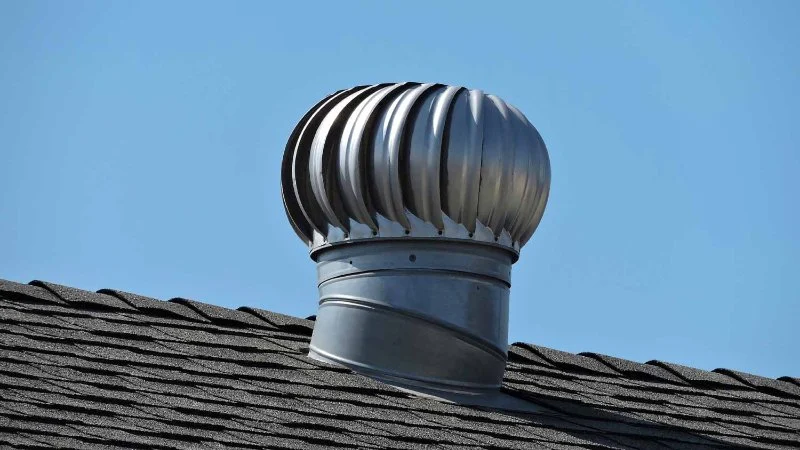
Turbine ventilators, also known as whirlybirds, are a type of wind-powered vent. They feature a rotating top that spins in the wind, helping to pull hot air out of the attic. Turbine ventilators are highly effective in areas with consistent winds. They offer a cost-efficient alternative to powered ventilators since they don’t rely on electricity. However, they are not ideal for windless or low-wind areas, as their performance heavily depends on wind speed.
2.4 Ridge Roof Ventilator
Ridge ventilators are installed along the peak of the roof, providing continuous ventilation across the entire ridge line. This type of ventilator is typically used in combination with soffit vents to create a balanced airflow system. Ridge ventilators are an excellent option for homeowners who want consistent ventilation without relying on mechanical systems. They are also aesthetically pleasing and can blend seamlessly with the roof design.
3. How to Choose the Best Roof Ventilator
Choosing the best roof ventilator for your home depends on several factors, including your attic size, climate, and energy efficiency goals. Here’s how to determine which type of ventilator is right for you:
- Attic Size: Larger attics may require powered or turbine ventilators to provide sufficient airflow. For smaller spaces, static or ridge ventilators might suffice.
- Climate: Homes in hotter climates may benefit from powered ventilators to remove excess heat more effectively. If you live in an area with consistent wind, turbine ventilators could be an excellent low-cost, eco-friendly option.
- Energy Efficiency: If you're looking for an energy-efficient solution, static and ridge ventilators are great passive options. Powered ventilators can also help with energy efficiency by reducing the need for air conditioning during hot months.
- Budget: If you’re on a tight budget, static and turbine ventilators are affordable and efficient. Powered ventilators might be pricier due to installation and electricity costs but offer enhanced performance.
4. Benefits of Proper Roof Ventilation
Proper roof ventilation provides several benefits for your home, including:
- Improved Energy Efficiency: By regulating the temperature in your attic, roof ventilators help to keep your home cooler in the summer and reduce the workload on your air conditioning system.
- Prevention of Moisture Damage: Ventilation helps to reduce humidity levels in the attic, preventing mold growth and wood rot, which can damage the roof structure.
- Extended Roof Life: By preventing excess heat buildup and moisture accumulation, roof ventilators help extend the lifespan of your roof, reducing the need for costly repairs or replacements.
- Enhanced Comfort: Proper ventilation contributes to a more comfortable living environment by maintaining a balanced temperature and reducing hot spots in your home.
5. Where to Buy Roof Ventilators
To purchase the best roof ventilators for your home, visit reputable roofing supply stores or online retailers. You can find a variety of options, including static, powered, turbine, and ridge ventilators, to fit your specific needs. For expert advice and a wide selection of quality roof ventilators, check out BeachCo Roofing Hub for top-rated products and installation services that can improve your roof’s ventilation system.
Whether you're upgrading an existing ventilation system or installing a new one, choosing the right roof ventilator is key to maintaining your roof’s integrity and improving your home's energy efficiency. With the right knowledge, you can make an informed decision and enjoy the many benefits of a well-ventilated roof.

 Lifetime Tilers0.0 (0 reviews)
 Jp Quality Roofing5.0 (2 reviews)
 Genesis Roofing5.0 (44 reviews)
 Apex Roofing & Exteriors4.0 (68 reviews)
 Certified Roofing. Baths. Siding. Windows. Doors.5.0 (1 reviews)
 Clearview Roofing & Construction - Port Washington4.0 (128 reviews)
 How to Install a Roof Underlayment for a Clay Tile Roof
 The Best Way to Clean Roof Stains Without Damaging Shingles
 How to Choose the Right Roofing Underlayment for a Cold Climate
 How to Install Roof Snow Guards on a Metal Roof: A Complete Guide
 How to Repair a Roof Leak from a Rooftop Pedestrian Bridge Connection
 How to Choose a Roofing Contractor That Uses Energy-Efficient Materials