Average Cost of Roof Coating for a Large Commercial Building
- 1 - Factors Affecting Roof Coating Cost
- 2 - Typical Cost Range for Commercial Roof Coating
- 3 - Different Types of Roof Coating
- 4 - Benefits of Choosing Roof Coating for Commercial Buildings
- 5 - Choosing the Right Roof Coating Provider
1. Factors Affecting Roof Coating Cost
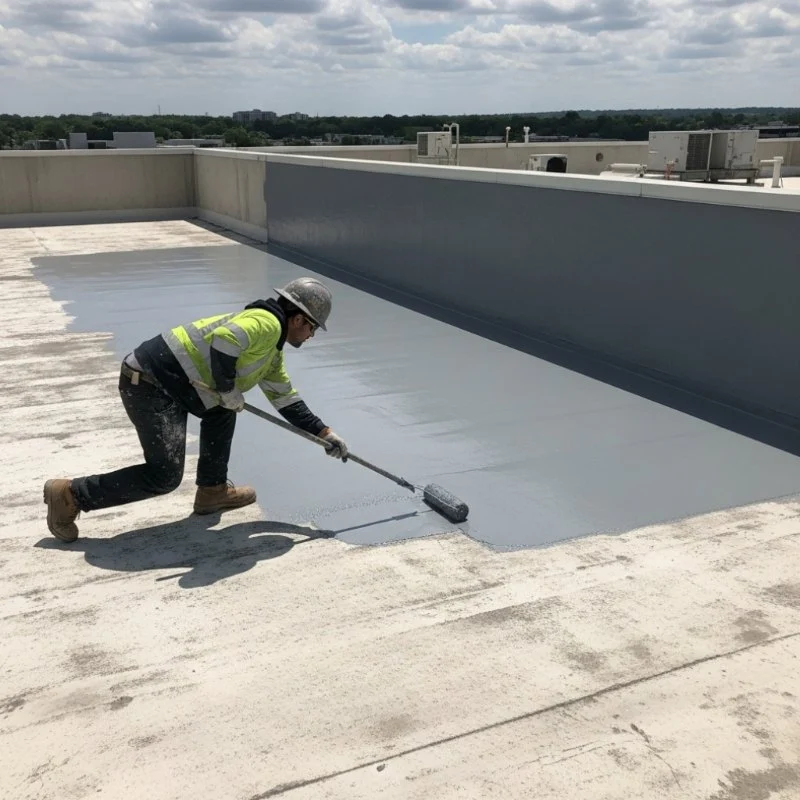
The cost of roof coating for a large commercial building depends on several key factors. Understanding these variables will help you better estimate the price and make an informed decision for your building’s maintenance needs.

Action Creations Roofing & Siding
Ocean CityCape May CountyNew Jersey
1149 West Ave, Ocean City, NJ 08226, USA
Building Size and Roof Area
The size of your commercial building’s roof is one of the most important factors in determining the cost. The larger the roof, the more materials and labor are needed to apply the coating. Roofs with complex designs, multiple angles, or difficult access points can also increase costs.

Roof Type
The type of roof your commercial building has—flat, sloped, or pitched—will impact the overall cost. Flat roofs are generally easier to coat, while sloped roofs may require additional preparation and safety measures, driving up the price.
Coating Material
Roof coating materials vary widely, and the type you choose will significantly affect the cost. High-quality coatings, such as silicone or polyurethane, are more expensive than basic acrylic coatings, but they offer longer-lasting protection and greater performance.
2. Typical Cost Range for Commercial Roof Coating
On average, roof coating for a large commercial building can cost between $1.50 to $4.00 per square foot, depending on the factors mentioned above. This means for a 10,000-square-foot roof, the total cost could range from $15,000 to $40,000 or more.
Cost Breakdown
The price typically includes materials, labor, and any necessary preparation work such as cleaning or repairing the existing roof. Keep in mind that prices can vary depending on the region, as labor rates and material availability may differ from state to state. It’s advisable to request a detailed estimate from a reputable provider to understand exactly what’s included in the cost.
3. Different Types of Roof Coating
There are several types of roof coatings available, each with its own advantages, disadvantages, and pricing. Let’s explore the most common options for large commercial buildings:
Acrylic Roof Coatings
Acrylic coatings are the most affordable option and are ideal for flat roofs. They offer UV protection and reflectivity, helping to reduce energy costs. However, they may not be as durable in extreme weather conditions, and reapplication may be needed every 5 to 10 years.
Silicone Roof Coatings
Silicone coatings are highly durable and weather-resistant, making them an excellent choice for roofs exposed to extreme conditions. They provide superior waterproofing and can last up to 20 years with minimal maintenance. However, silicone coatings are more expensive compared to acrylic options.
Polyurethane Roof Coatings
Polyurethane coatings are known for their strong protective properties, especially in areas prone to foot traffic or heavy industrial use. They are often more expensive than acrylic coatings but offer better protection and longevity, making them an excellent investment for long-term roof protection.
4. Benefits of Choosing Roof Coating for Commercial Buildings
Investing in a roof coating for your commercial building can provide numerous benefits that outweigh the initial cost:
Cost-Effective Solution
Roof coating is often more cost-effective than full roof replacement. By applying a coating, you can extend the life of your roof, delay the need for an expensive replacement, and reduce maintenance costs over time.
Energy Efficiency
Roof coatings, especially reflective coatings, help keep your building cool by reducing heat absorption. This can lead to lower energy bills by decreasing the need for air conditioning, especially in warmer climates. Many commercial property owners have seen significant savings on their energy bills after applying a roof coating.
Environmental Benefits
Roof coatings can help reduce the environmental impact of your building by minimizing waste. Rather than tearing off the old roof, which can generate a lot of waste, you’re simply applying a coating that protects the existing structure.
5. Choosing the Right Roof Coating Provider
Choosing a reputable roof coating provider is essential for ensuring quality work and a fair price. Here are some tips for selecting the right professional for your commercial roof coating project:
Experience and Expertise
Look for companies with experience in commercial roof coating. A skilled provider will be able to assess your roof’s needs, recommend the best materials, and perform the application correctly for long-lasting results.
Licensing and Insurance
Ensure that the provider is licensed and insured. This protects you in case of accidents or damage during the project. A reputable contractor will be transparent about their credentials and insurance coverage.
Request Multiple Quotes
Get quotes from at least three different providers to compare pricing and services. A reliable provider will offer a detailed estimate that outlines the materials, labor, and any additional services required.
For high-quality roof coating services and products, consider visiting BeachCo Roofing Hub, where you can find a range of commercial roofing solutions designed to suit your building’s needs.
 Siar Construction5.0 (7 reviews)
 Impact Roofing & Renovations5.0 (21 reviews)
 Nugent Roofing, Inc.5.0 (28 reviews)
 Ramiro roofing0.0 (0 reviews)
 Fonseca Contractors Inc.2.0 (4 reviews)
 SmartRoof - Roofing and Solar4.0 (88 reviews)
 The Average Cost of a Roof Repair for a Leak at a Complex Roof Junction
 The Lifespan of Roof Coatings: How Often They Need to be Reapplied
 What is a Roofing Scope of Work Document? A Comprehensive Guide
 The Cost of Roof Moss Removal and Prevention Treatments: A Complete Guide
 How to Install a Roof Vent for a Commercial Kitchen Exhaust System
 Choosing the Right Roofing Materials for Green Roof Systems