- -What-Is-A-Liquid-Applied-Reinforced-Roof-Membrane-System
- -The-Pros-Of-A-Liquid-Applied-Reinforced-Roof-Membrane-System
- -The-Cons-Of-A-Liquid-Applied-Reinforced-Roof-Membrane-System
- -How-To-Choose-Between-Liquid-Applied-Systems-And-Traditional-Roofing
- -Real-Life-Applications-Of-Liquid-Applied-Roof-Membrane-Systems
- -Where-To-Buy-Liquid-Applied-Roof-Membrane-Systems
1. What Is a Liquid-Applied Reinforced Roof Membrane System?
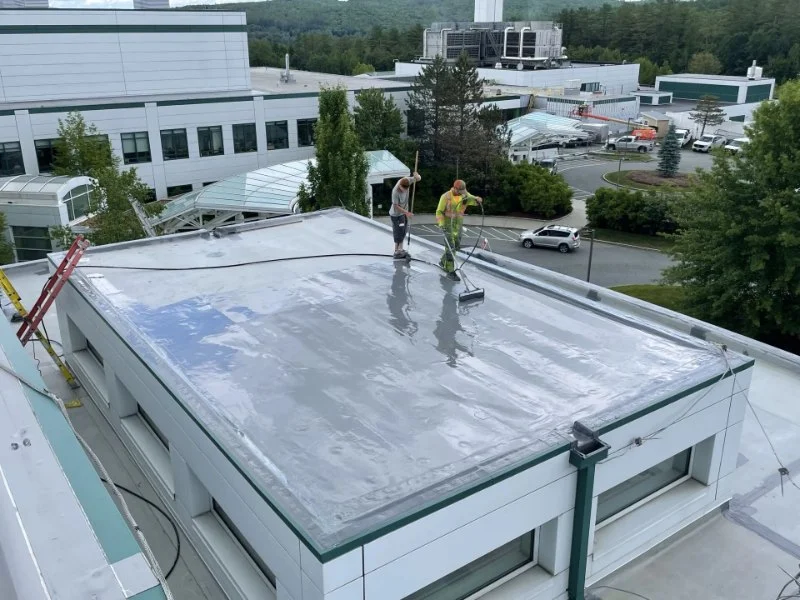
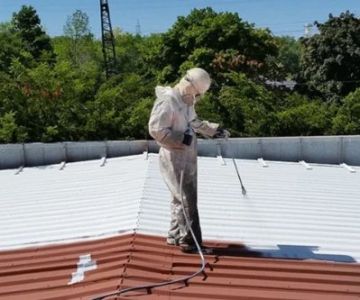
A liquid-applied reinforced roof membrane system is a type of roofing solution used primarily for commercial and industrial buildings, although it's increasingly being used in residential projects. It involves applying a liquid membrane to the roof surface, which then cures to form a seamless, waterproof, and durable protective layer. This system is reinforced with fabric or other materials to increase its strength and flexibility.
1.1 How It Works
The process typically begins with a base layer of liquid applied to the roof, followed by the installation of reinforcement fabric, and then a final layer of liquid membrane. This creates a strong, durable, and waterproof surface that protects the underlying structure from the elements.
M BRITO ROOFING COMPANY LLC
WatertownNaugatuck Valley Planning RegionConnecticut
541 Middlebury Rd, Watertown, CT 06795, USA
1.2 Common Applications
Liquid-applied reinforced roof membrane systems are commonly used for flat or low-slope roofs. They are particularly useful for roofs with complex shapes or numerous penetrations, as they can easily be molded around corners, edges, and fixtures.
2. The Pros of a Liquid-Applied Reinforced Roof Membrane System
Liquid-applied reinforced roof membranes offer a variety of advantages, making them an increasingly popular choice for roofing solutions. Below are some of the key benefits:
2.1 Seamless and Durable Protection
One of the main advantages of a liquid-applied membrane is its seamless nature. Unlike traditional roofing materials, there are no seams or joints where water can penetrate. This reduces the likelihood of leaks and improves the overall longevity and performance of the roof.
2.2 Flexibility and Versatility
Liquid-applied systems are incredibly flexible and can be applied to a wide range of roof types and surfaces. They can adapt to irregular roof shapes, complex roof structures, and existing roofing systems, offering a customizable solution that meets the specific needs of a building.
2.3 Easy Application and Quick Installation
Compared to traditional roofing methods, the application process for liquid-applied systems is relatively simple and fast. The liquid can be sprayed, rolled, or brushed onto the surface, reducing the need for specialized equipment. This can lead to quicker installation times, minimizing disruption for building occupants or business operations.
2.4 Improved Energy Efficiency
Many liquid-applied membrane systems are available with reflective properties that help reduce heat absorption, contributing to better energy efficiency in the building. This can result in lower cooling costs, especially in warmer climates where air conditioning usage is high.
2.5 Long-Term Performance
Once properly installed, liquid-applied membranes are designed to offer long-term performance with minimal maintenance. They are resistant to UV rays, extreme temperatures, and environmental wear, making them a reliable solution for roofs exposed to harsh conditions.
3. The Cons of a Liquid-Applied Reinforced Roof Membrane System
While there are many benefits to using a liquid-applied reinforced roof membrane system, there are also some potential drawbacks to consider before making a decision. Below are a few of the challenges associated with this roofing solution:
3.1 Initial Cost and Investment
The initial cost of installing a liquid-applied reinforced roof membrane system can be higher than traditional roofing materials like asphalt or shingles. While the long-term benefits often outweigh the initial investment, budget-conscious property owners may be concerned about the upfront expense.
3.2 Weather-Dependent Installation
Liquid-applied systems are sensitive to weather conditions during installation. The application process requires dry conditions, as the liquid needs to cure properly. Rain or extreme humidity can interfere with the curing process and delay installation. This means that installation can be more challenging in regions with unpredictable weather patterns.
3.3 Potential for Application Errors
As with any roofing system, the quality of the installation plays a significant role in the overall effectiveness of the membrane. If the liquid is applied too thickly or too thinly, or if the reinforcement fabric is not properly placed, the membrane’s performance could be compromised, leading to potential leaks or damage.
3.4 Long-Term Maintenance and Repairs
While liquid-applied membranes are low maintenance, they may require occasional touch-ups or repairs. Over time, certain areas of the roof may experience wear and tear due to exposure to the elements. Small cracks or damage should be repaired promptly to prevent further deterioration.
4. How to Choose Between Liquid-Applied Systems and Traditional Roofing
When deciding between a liquid-applied reinforced roof membrane system and traditional roofing options, there are several factors to consider. Each type of roofing material has its own set of benefits, so it’s important to assess your building’s needs, budget, and long-term goals.
4.1 Assess Your Roof’s Condition
If your roof has a lot of wear and tear, a liquid-applied system may be the better option, as it can easily be applied over existing materials. Traditional roofing options, on the other hand, may require more extensive removal and replacement.
4.2 Consider Your Climate
For buildings in regions with extreme weather conditions, such as heavy rainfall or intense heat, a liquid-applied membrane can provide superior protection. Its seamless and waterproof nature is ideal for such climates. Traditional roofing materials may not offer the same level of performance in these environments.
4.3 Long-Term Budget
While liquid-applied systems may have a higher initial cost, they often provide a longer lifespan and fewer maintenance needs over time. If you plan to keep your building for many years, this long-term cost-saving may outweigh the initial investment. However, if you're looking for a quick, cost-effective solution in the short term, traditional materials might be more suitable.
5. Real-Life Applications of Liquid-Applied Roof Membrane Systems
There are many successful applications of liquid-applied reinforced roof membrane systems in both commercial and residential settings. One notable example is the use of this roofing system in a large commercial complex in Florida, where the system was used to replace an aging roof. The liquid-applied membrane provided seamless, reliable protection against the intense heat and humidity of the region, extending the life of the building and saving on cooling costs.
5.1 Successful Use in Complex Roof Designs
Liquid-applied systems are particularly useful for roofs with complex designs, such as those with multiple penetrations or intricate shapes. They provide a more flexible, customizable solution compared to traditional roofing materials. In one case, a hospital building with a rooftop garden and numerous HVAC units benefited from the easy application of a liquid-applied membrane, which was able to be molded around the various fixtures without leaving seams.
6. Where to Buy Liquid-Applied Roof Membrane Systems
If you're considering a liquid-applied reinforced roof membrane system for your building, it's important to purchase from trusted suppliers who specialize in high-quality roofing materials. Websites like BeachCo Roofing Hub offer a wide selection of top-tier roofing products and provide expert advice on choosing the best system for your needs.
By carefully considering the pros and cons of a liquid-applied reinforced roof membrane system and understanding your specific roofing requirements, you can make an informed decision that will provide lasting protection and value for your building.
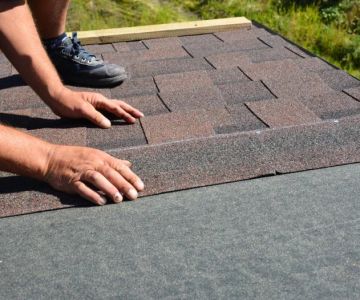
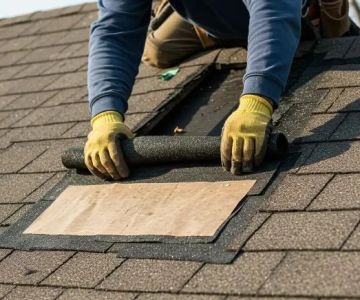
 American Eagles Contractor Corp4.0 (1 reviews)
 Symmetry Construction Enterprises LLC4.0 (85 reviews)
 Roofing By Carl's0.0 (0 reviews)
 Villas Group Roofing5.0 (28 reviews)
 ATTYX4.0 (212 reviews)
 Roof 3605.0 (32 reviews)
 Roofing Manufacturer's Approved Installer Program: What You Need to Know
 Best Practices for Choosing the Right Roofing Underlayment for Cold Climates
 How to Read a Roofing Estimate: Understanding Line Items and Avoiding Hidden Fees
 The Cost of Roof Moss Removal and Prevention Treatments: A Complete Guide
 How to Install Roof Ice Melt Mats on a Flat Roof
 How to Prevent Roof Damage from Nesting Birds and Pests