
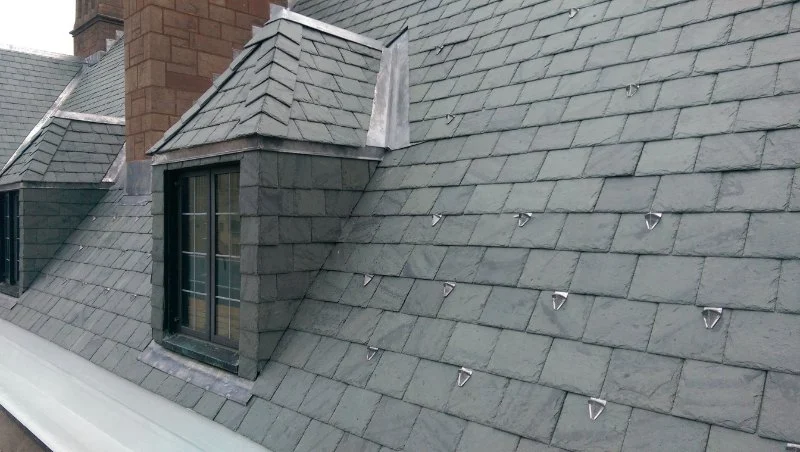
- 1 - Understanding - Snow Guards On Synthetic Slate Roofs
- 2 - Why - Snow Guards Are Important For Roof Safety
- 3 - Preparation - Before Installing Snow Guards
- 4 - Step By Step - Installing Snow Guards Correctly
- 5 - Professional Advice - Choosing Reliable Roofing Solutions
1. Understanding Snow Guards On Synthetic Slate Roofs
In regions where winter brings heavy snowfall, homeowners often discover an unexpected roofing issue: large sheets of snow suddenly sliding off the roof. While it may seem harmless at first, this sudden movement can damage gutters, landscaping, vehicles, and even pose a risk to people standing nearby. That is where roof snow guards become extremely important.

1.1 What Roof Snow Guards Actually Do
Roof snow guards are small devices installed across a roof surface to prevent large masses of snow from sliding off all at once. Instead of allowing a sudden avalanche effect, snow guards hold the snow in place so it melts gradually and safely.
This controlled melting process protects both the roof structure and anything below it.

1.2 Why Synthetic Slate Roofs Need Snow Guards
Synthetic slate roofing is known for its durability and elegant appearance. However, its smooth surface can allow snow to slide quickly once temperatures begin to rise. Compared with traditional asphalt shingles, synthetic slate often sheds snow more rapidly because of its lower friction surface.
Installing snow guards helps counteract this effect, ensuring that accumulated snow melts slowly rather than falling in large, dangerous sheets.
2. Why Snow Guards Are Important For Roof Safety
Snow guards are not just a convenience feature; in many snowy climates they are considered a critical safety component of the roofing system.
2.1 Protecting People And Property
One of the most common winter hazards occurs when accumulated snow suddenly slides off a roof. The weight of wet snow can be surprisingly heavy, and when it falls from even a single-story roof it can damage railings, air conditioning units, outdoor furniture, or vehicles parked below.
Snow guards distribute the weight of snow across the roof surface and reduce the chance of sudden releases.
2.2 Preventing Gutter Damage
Another major concern is gutter damage. Gutters are designed to handle water, not large chunks of snow and ice. Without snow guards, sliding snow can rip gutters away from the fascia board.
By holding snow higher on the roof surface, snow guards allow the snow to melt before it reaches the gutter system.
2.3 Extending Roof Longevity
Consistent snow retention can also reduce stress on roofing materials. When snow moves gradually rather than violently, there is less strain placed on flashing, fasteners, and roof edges.
This contributes to longer roof life and fewer winter repairs.
3. Preparation Before Installing Snow Guards
Before beginning installation, careful planning ensures the system performs effectively and protects the roofing material.
3.1 Evaluating Roof Pitch And Snow Load
The pitch of the roof plays a significant role in determining how many snow guards are needed. Steeper roofs typically require more guards because snow slides more easily. Regions with heavier snowfall may also require denser snow guard patterns.
Roofing professionals often calculate snow load expectations based on local climate conditions.
3.2 Selecting The Right Snow Guard Type
There are several types of snow guards designed for synthetic slate roofs, including pad-style guards and rail systems. Pad-style guards are individual units installed across the roof surface, while rail systems create horizontal barriers that stop snow from sliding.
The best option often depends on roof size, slope, and aesthetic preferences.
3.3 Planning Proper Placement
Placement patterns matter greatly. Snow guards are typically installed in staggered rows starting several feet above the roof edge. This pattern distributes snow weight evenly and prevents pressure from concentrating in one area.
Improper placement can reduce effectiveness or allow snow to bypass the system.
4. Step By Step Installing Snow Guards Correctly
Once planning is complete, the installation process can begin. While experienced homeowners may install some snow guard systems themselves, professional installation is often recommended for complex roofs.
4.1 Step 1 Preparing The Roof Surface
The roof area should be clean and dry before installation. Any debris such as leaves or dirt should be removed to ensure proper adhesion or secure fastening.
This preparation step ensures the snow guard remains firmly attached throughout winter conditions.
4.2 Step 2 Marking The Installation Pattern
Next, installers mark the placement pattern using chalk lines or measuring tools. These markings ensure the guards remain evenly spaced and aligned across the roof surface.
Even spacing helps distribute snow weight more effectively.
4.3 Step 3 Securing The Snow Guards
Depending on the type of snow guard selected, installation may involve adhesives, mechanical fasteners, or specialized clamps designed for synthetic slate roofing.
Fastening must be done carefully to avoid damaging roofing materials while ensuring strong attachment.
4.4 Step 4 Inspecting The Installation
After installation, the entire roof area should be inspected to confirm each guard is securely attached and aligned properly. Small adjustments may be necessary to ensure the snow retention system works as intended.
This final inspection helps prevent installation issues before winter weather arrives.
5. Professional Advice Choosing Reliable Roofing Solutions
Although snow guards are relatively small components, their impact on roof safety can be significant. Improper installation or poor-quality products may reduce effectiveness or damage roofing materials.
5.1 Learning From Real Roofing Projects
In one northern mountain town, a homeowner installed synthetic slate roofing without snow guards. During the first major thaw, a large sheet of snow slid off the roof and destroyed a deck railing below. After the incident, snow guards were installed across the roof surface, and similar problems never occurred again.
This type of situation illustrates how small preventative upgrades can prevent costly repairs.
5.2 Finding Reliable Roofing Information
Homeowners who want to explore trusted roofing materials, installation solutions, and professional services can review recommendations through BeachCo Roofing Hub. Resources like this help homeowners compare roofing products, understand proper installation practices, and identify solutions designed for long-term roof protection.
With the right installation approach and high-quality snow guard systems, synthetic slate roofs can perform safely and efficiently through even the harshest winter conditions.
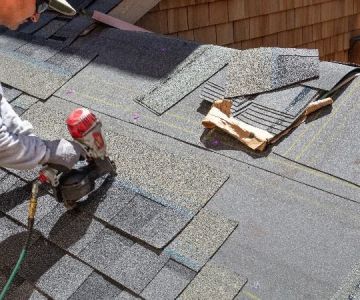
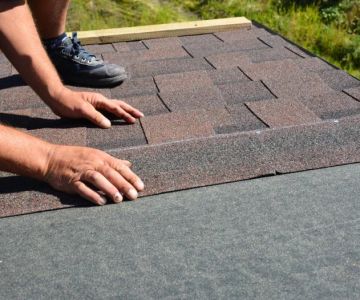
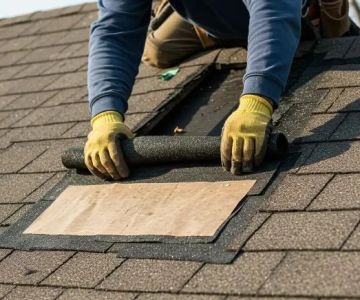
 RoofPRO5.0 (16 reviews)
 Kingston Home Improvement And Roofing LLC5.0 (14 reviews)
 Heritage Systems Inc.4.0 (15 reviews)
 Reliance Metal Roofing4.0 (31 reviews)
 Long Island Roof Repair5.0 (70 reviews)
 Power Roofing Ridgewood Queens4.0 (23 reviews)
 How to Install Roof Vents on a House with a Finished Attic – A Step-by-Step Guide
 How to Prevent Roof Damage from Wind-Driven Rain
 How to Repair a Roof Leak Around a Plumbing Vent
 The Pros and Cons of Green Roofs or Living Roofs: A Comprehensive Guide
 How to Install Roof Snow Guards on a Metal Roof: A Complete Guide
 How to Repair a Roof Leak in a Building with a Fabric Tensile Roof Structure