- -What Are Green Roofs and Living Roofs?
- -The Environmental Benefits of Green Roofs
- -Economic Advantages of Green Roofs
- -Challenges and Drawbacks of Green Roofs
- -Is a Green Roof Right for Your Property?
1. What Are Green Roofs and Living Roofs?
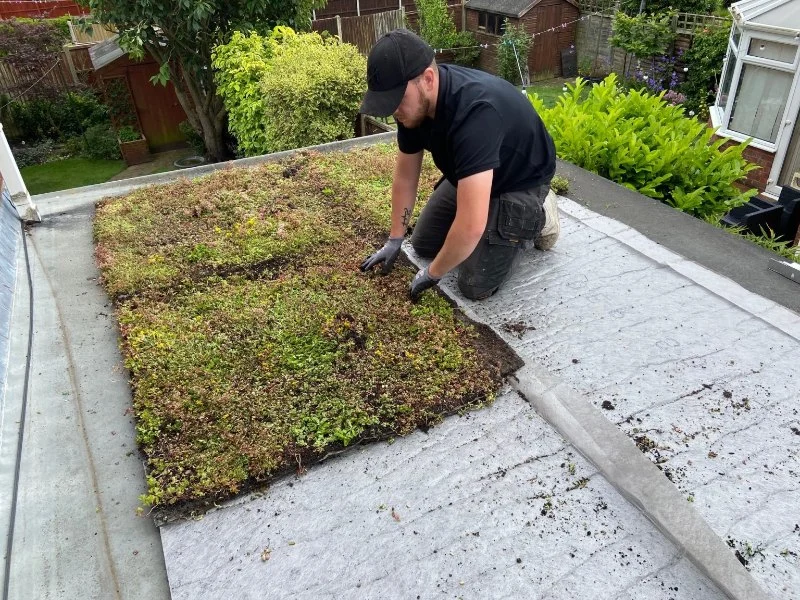
Green roofs, also known as living roofs, are an innovative way of integrating vegetation into urban environments. These roofs are partially or completely covered with plants, providing a natural, sustainable alternative to traditional roofing systems. Typically, green roofs consist of a waterproofing layer, a root barrier, a drainage system, a growing medium, and the plants themselves.
Living roofs are often implemented in cities to reduce heat island effects, manage stormwater runoff, and improve building energy efficiency. Over time, they have gained popularity in urban areas where space is limited and sustainability is a priority. Whether on residential buildings, commercial spaces, or even public infrastructure, green roofs offer a unique way to promote environmental health in densely populated areas.
2. The Environmental Benefits of Green Roofs
Green roofs offer a variety of environmental advantages, making them a powerful tool for promoting sustainability. One of the primary benefits is their ability to reduce the urban heat island effect. By covering rooftops with plants, green roofs help lower temperatures in cities, which can reduce the need for air conditioning and decrease energy consumption. This, in turn, contributes to lowering carbon emissions from energy production.
Additionally, living roofs play a crucial role in stormwater management. They absorb rainwater, which helps prevent flooding and reduces the burden on urban drainage systems. Green roofs also filter pollutants from the air, improve local air quality, and support biodiversity by providing habitats for birds, insects, and other wildlife.
Another significant environmental benefit is the insulation provided by the plants and soil in green roofs. These roofs can enhance a building's energy efficiency by maintaining comfortable indoor temperatures in both summer and winter. This means that a green roof not only reduces the urban heat island effect but also lowers the energy required for heating and cooling a building.
Expert Chimney & Roofing LLC
Fair LawnBergen CountyNew Jersey
0-02 Fair Lawn Ave, Fair Lawn, NJ 07410, USA
3. Economic Advantages of Green Roofs
While green roofs often come with a higher initial installation cost compared to traditional roofs, their long-term economic benefits are substantial. A well-maintained living roof can significantly extend the lifespan of a building’s roof, as the plant layer protects the roofing materials from extreme weather conditions and UV damage. This added protection can reduce the need for frequent repairs and replacements, saving property owners money over time.
Moreover, green roofs can increase the value of a property. Studies have shown that buildings with green roofs are often seen as more attractive and eco-friendly, which can lead to higher rental or resale prices. In urban areas, where green space is limited, a well-designed green roof can also provide valuable outdoor space for residents or tenants.
Green roofs may also lead to reduced energy costs. By providing insulation and reducing the need for air conditioning in the summer, they can lower energy bills for both residential and commercial buildings. For businesses, this means improved operational efficiency and reduced overhead costs.
4. Challenges and Drawbacks of Green Roofs
Despite their many benefits, green roofs are not without their challenges. The initial installation cost is one of the biggest barriers for property owners. Green roofs require specialized materials and skilled labor, which can make them more expensive to install than traditional roofs. However, as the demand for green roofing solutions grows, the cost of installation is expected to decrease over time.
Another challenge is the maintenance of living roofs. Although they can be relatively low-maintenance once established, they still require regular care, such as watering, pruning, and checking for issues like drainage blockages. The maintenance needs can vary depending on the type of plants used and the climate in which the roof is located.
Green roofs also have structural requirements that must be carefully considered. Not all buildings are designed to support the weight of a green roof, and some may require structural reinforcement before installation. This could add additional costs to the project and may make green roofs unsuitable for certain buildings without significant modifications.
5. Is a Green Roof Right for Your Property?
Before deciding whether a green roof is the right choice for your property, it’s important to consider the specific needs and characteristics of the building. For instance, a building’s structural capacity, local climate, and long-term goals for sustainability should all play a role in the decision-making process.
If you live in a region with a mild climate and a strong focus on sustainability, a green roof could be an excellent investment. On the other hand, if you’re located in an area with harsh winters or extreme temperatures, the additional insulation and energy savings might be particularly beneficial.
In addition, green roofs can be an attractive option for building owners looking to enhance the aesthetic appeal of their property or improve the surrounding environment. If these factors align with your goals, a living roof might be the perfect addition to your building. For more information on green roofs and other roofing solutions, visit our site at BeachCo Roofing Hub for expert advice and recommendations.
 North Shore Roofing4.0 (10 reviews)
 Carter & Sons Roofing4.0 (33 reviews)
 E Roof Repair & Roofing contractor5.0 (10 reviews)
 New Look Roofers5.0 (8 reviews)
 111 Roofing5.0 (13 reviews)
 Bruno Roofing and Siding4.0 (91 reviews)
 How to Properly Install Roof Snow Fences to Prevent Drifting
 How to Choose a Roofing Contractor That Offers a Comprehensive Maintenance Program
 Signs You Need a Roof Replacement: Age, Leaks, Curling Shingles, and More
 What is a Roofing System Design Professional? When to Hire an Engineer
 How to Prevent Roof Damage from Inadequate Fireproofing in High-Risk Areas
 What is a Roofing Retainer Fee or Deposit? Is it Normal in Roofing Contracts?