
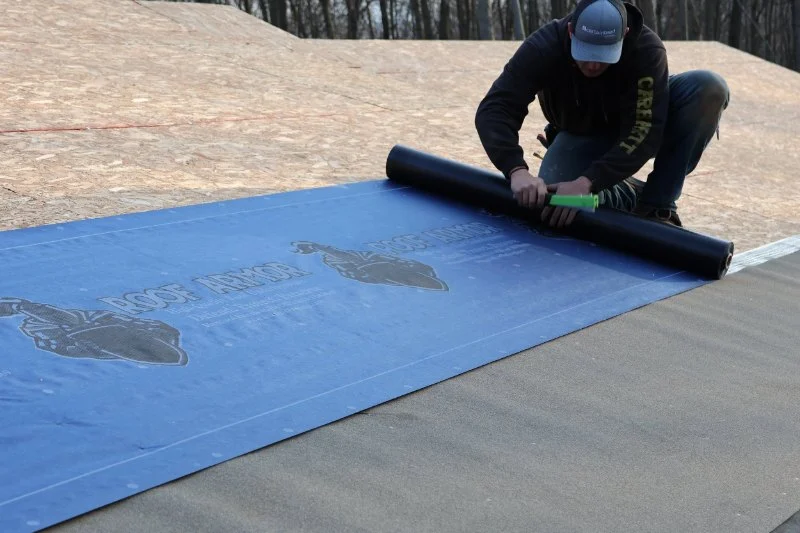
1. The Importance of Roof Underlayment for High-Traffic Areas
When it comes to maintaining a roof, especially in high-traffic areas such as rooftops with frequent maintenance or installations, one essential component often overlooked is the roof underlayment. Roof underlayment provides a layer of protection between the roofing material and the decking, ensuring that your roof remains watertight and durable. In high-traffic areas, where foot traffic can cause wear and tear, the right underlayment can help prolong the life of your roof and prevent costly damage.
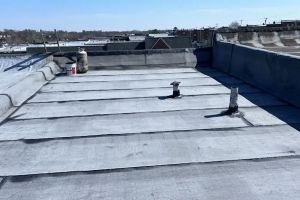
Martin Roofing & Construction
YardleyBucks CountyPennsylvania
1202 Dickinson Dr, Yardley, PA 19067, USA
2. What Is Roof Underlayment and Why Is It Needed?
Roof underlayment is a material installed beneath the primary roofing system, such as shingles or metal panels. It serves as a barrier against water infiltration, improves thermal insulation, and helps in preventing leaks caused by rain, snow, or ice. In high-traffic areas, this layer also absorbs the stress caused by regular movement, reducing the potential for damage to the roof’s surface.

SKYCON ROOFING & RESTORATION
GaithersburgMontgomery CountyMaryland
9711 Washingtonian Blvd Suite 550, Gaithersburg, MD 20878, USA
2.1 Types of Roof Underlayment
There are several types of underlayment available, each suitable for different roofing needs. Some of the most common types include:
- Asphalt-Saturated Felt: This is a traditional underlayment made from paper saturated with asphalt, offering waterproof protection. While it’s affordable, it’s less durable than synthetic options.
- Synthetic Underlayment: Synthetic options are more durable and resistant to wear and tear, especially in high-traffic areas. They’re lighter, easier to handle, and offer superior protection from water damage.
- Rubberized Asphalt: This underlayment offers a high level of water resistance and is ideal for areas with heavy foot traffic due to its robust performance and flexibility.
3. Steps for Installing Roof Underlayment on a High-Traffic Rooftop Area
Installing roof underlayment in high-traffic areas requires careful planning and execution to ensure its longevity and effectiveness. Follow these steps to ensure a proper installation:
3.1 Prepare the Roof Deck
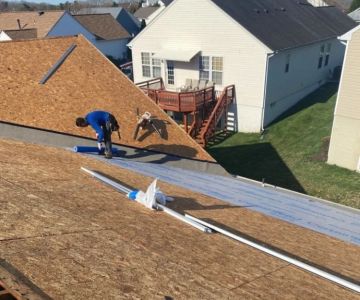
The first step in any roof installation process is preparing the roof deck. Ensure the roof is clean and dry before beginning the underlayment installation. Inspect for any damaged or warped sections of the decking, as these should be repaired or replaced before proceeding. This ensures a smooth and stable surface for the underlayment.
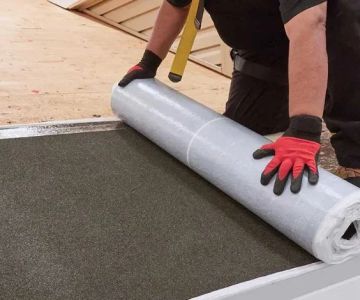
3.2 Roll Out the Underlayment
Begin at the eaves (the lowest part of the roof) and roll out the underlayment horizontally. Make sure that the underlayment overlaps the edge of the roof decking by at least a couple of inches. This overlap prevents water from slipping between the underlayment and decking.
3.3 Secure the Underlayment with Fasteners
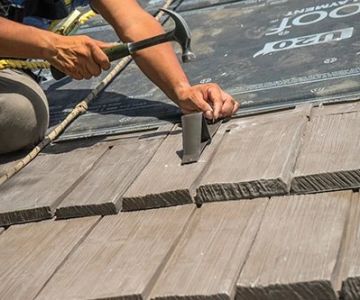
For proper adhesion and durability, fasten the underlayment to the roof decking with roofing nails or staples. Be sure to install the fasteners at regular intervals, ensuring that the material doesn’t shift during installation or underfoot. In high-traffic areas, ensure that the nails penetrate deep enough into the decking to maintain stability even under pressure.
3.4 Install Additional Layers (if needed)
For high-traffic rooftop areas that will see significant foot traffic, consider installing a second layer of underlayment for added protection. Overlap the second layer with the first, making sure that the seams are properly sealed to prevent water infiltration.
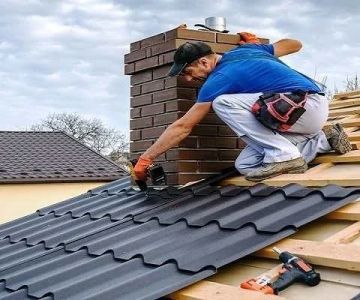
3.5 Install Roofing Material
Once the underlayment is secured, you can begin installing the roofing material. Whether you're using shingles, metal panels, or another roofing system, the underlayment will act as a critical protective layer beneath the surface. Be sure to follow manufacturer guidelines for both the underlayment and roofing material for optimal performance and protection.
4. Best Practices for Maintaining Roof Underlayment in High-Traffic Areas
Maintaining the underlayment and the overall roof in high-traffic areas requires ongoing attention to ensure the durability of the materials. Here are some tips to keep your roof in optimal condition:
4.1 Regular Roof Inspections
In high-traffic areas, it’s important to inspect the roof regularly for signs of wear or damage. Look for any loose nails, punctures, or tears in the underlayment that could compromise the integrity of the roof. Prompt repairs can prevent small issues from becoming bigger problems.
4.2 Limit Foot Traffic When Possible
Excessive foot traffic can cause significant damage to the underlayment and roofing materials. Limit access to the roof, and use walking pads or designated paths to distribute the weight of workers or maintenance personnel across a wider area. If the roof is regularly accessed for maintenance or repairs, consider using temporary protective barriers to shield high-traffic zones.
5. Why Choose BeachCo Roofing Hub for Your Roof Underlayment Needs
If you're looking for top-quality roof underlayment products, BeachCo Roofing Hub offers a variety of options suitable for high-traffic rooftop areas. Our selection includes durable synthetic underlayment, rubberized asphalt, and more, designed to stand up to the toughest conditions. Visit our website for expert advice and products to ensure the longevity and protection of your roof.
 J&E Roofing & Siding5.0 (4 reviews)
 ShingleStar Roofing5.0 (5 reviews)
 Leopard Roofing5.0 (7 reviews)
 Prestige Roofing4.0 (85 reviews)
 Orellanas Roofing4.0 (16 reviews)
 Middletown NJ Roofer4.0 (1 reviews)
 How to Repair a Roof Truss or Rafter Damaged by Water or Pests
 How to Repair a Roof Leak in a Building with a Built-Up Gravel Roof
 Roofing Project Milestone Payment Schedule: Standard Practices
 How to Install a Roof Cricket on a Flat Rubber Roof
 What is a Roof Deck and How to Repair or Reinforce It
 The Importance of Roof Ventilation: How It Prevents Mold and Lowers Energy Bills | BeachCo Roofing Hub