- 1- Why Use Non-Combustible Materials for Roof Replacement?
- 2- Types of Non-Combustible Roofing Materials
- 3- Cost Factors for Roof Replacement with Non-Combustible Materials
- 4- Estimating Roof Replacement Costs with Non-Combustible Materials
- 5- Code Compliance and Insurance Benefits of Non-Combustible Roofing
1. Why Use Non-Combustible Materials for Roof Replacement?
When it comes to replacing your roof, one important consideration is the type of material used, especially if you live in an area that is prone to wildfires or if your local building codes require fire-resistant roofing materials. Non-combustible materials are a smart choice because they offer a higher level of fire resistance compared to traditional roofing materials, such as wood or asphalt shingles.
In addition to providing enhanced fire protection, non-combustible roofing materials can also improve the durability and energy efficiency of your home. By replacing your roof with non-combustible materials, you ensure long-lasting protection that not only meets code compliance but also contributes to the overall safety of your property and its inhabitants.
2. Types of Non-Combustible Roofing Materials
There are several non-combustible roofing materials available, each offering unique benefits. Below are some of the most commonly used fire-resistant materials for roofing:
2.1 Metal Roofing
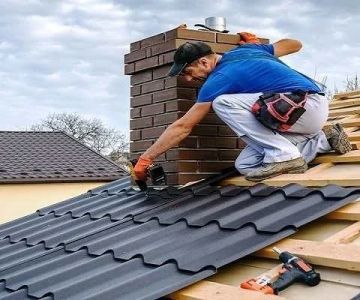
Metal roofing is one of the most popular non-combustible roofing materials. It is highly fire-resistant and can withstand extreme temperatures. Aluminum, steel, and copper are common metal roofing options that provide long-lasting protection. Metal roofs are also known for their durability and low maintenance needs.
2.2 Clay and Concrete Tiles
Clay and concrete tiles are another excellent choice for fire-resistant roofing. Both materials are naturally non-combustible, offering superior protection against fires. They are also highly durable and can last for decades, making them a worthwhile investment for homeowners looking to enhance their home’s safety and curb appeal.
2.3 Slate Roofing
Slate roofing is a premium, non-combustible material that provides excellent fire protection. Slate is a natural stone that is highly resistant to fire, making it an ideal option for areas with high fire risk. Additionally, slate roofing is known for its aesthetic appeal and longevity, although it is one of the more expensive roofing materials.
2.4 Fiber Cement Roofing
Fiber cement roofing is a composite material made of cement, sand, and cellulose fibers. This roofing material is fire-resistant and provides excellent protection against fires, moisture, and pests. Fiber cement roofing is also a cost-effective option that offers good durability and low maintenance.
3. Cost Factors for Roof Replacement with Non-Combustible Materials
The cost of replacing your roof with non-combustible materials can vary widely based on several factors. Understanding these factors will help you plan your budget effectively and make an informed decision when choosing roofing materials.
3.1 Roof Size and Complexity
One of the biggest factors influencing the cost of roof replacement is the size and complexity of the roof. A larger or more complex roof will require more materials and labor, increasing the overall cost. Additionally, if your roof has steep slopes or multiple angles, the installation process will be more challenging and may require additional expertise.
3.2 Material Choice
As mentioned earlier, there are various non-combustible roofing materials to choose from, each with its price range. Metal roofing tends to be more affordable than slate or clay tiles, but the latter two offer a more premium appearance and longevity. When comparing material costs, consider both the upfront cost and the long-term value each material provides.
3.3 Labor Costs
Labor costs can vary depending on your location and the roofing contractor you hire. Experienced contractors may charge a premium for their expertise, but their work will likely be of higher quality, ensuring that your roof is installed correctly and in compliance with local building codes.
3.4 Disposal and Removal
Another factor to consider is the cost of removing and disposing of the old roofing materials. Depending on the material type, this can add to the overall cost of the roof replacement. Be sure to factor in any disposal fees when getting quotes from contractors.
4. Estimating Roof Replacement Costs with Non-Combustible Materials
On average, replacing a roof with non-combustible materials can cost between $5,000 and $15,000, depending on the material chosen and the size of your roof. Here’s a general breakdown of the costs based on material type:
- Metal Roofing: $5,000 to $12,000
- Clay or Concrete Tiles: $7,000 to $15,000
- Slate Roofing: $10,000 to $20,000
- Fiber Cement Roofing: $5,000 to $10,000
These prices can vary based on factors such as the complexity of the roof, location, and contractor fees. It’s always a good idea to get multiple quotes from different roofing companies to ensure you’re getting the best value for your money.
5. Code Compliance and Insurance Benefits of Non-Combustible Roofing
Many areas, particularly those prone to wildfires, have strict building codes that require homes to use fire-resistant materials for roofing. By installing non-combustible materials, you not only ensure compliance with these codes but also protect your home from fire-related damage.
In addition to meeting code requirements, non-combustible roofing materials can lower your homeowner’s insurance premiums. Insurance companies often offer discounts to homeowners who use fire-resistant materials, recognizing the reduced risk of fire damage. By investing in a non-combustible roof, you can save money on insurance while adding value to your property.
If you’re looking for the best selection of non-combustible roofing materials, visit BeachCo Roofing Hub for a wide range of options, including metal, slate, clay, and fiber cement roofing materials.
 Gomez Roofing LLC5.0 (2 reviews)
 Elite Roofing4.0 (11 reviews)
 Smarter Concepts Home Improvements0.0 (0 reviews)
 EP Construction Group5.0 (16 reviews)
 Paragon Chimney & Roofing of Queens5.0 (341 reviews)
 Kangaroof5.0 (52 reviews)
 How to Choose a Roofing Material for a Noisy Urban Environment
 The Cost of a New Roof with Synthetic Slate Shingles
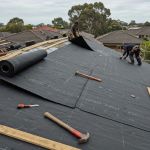 How to Install Roofing Felt Underlayment Correctly
 What is TPO Roofing? Benefits and Costs for Commercial and Residential Use
 How to Install a Roof Access Hatch for Easy Attic Entry – Step-by-Step Guide
 What is a Roofing Manufacturer's Research & Development? New Technologies