How to Read a Roofing Estimate: Understanding Line Items and Avoiding Hidden Fees
- 1. What is a Roofing Estimate?
- 2. Key Line Items in a Roofing Estimate
- 3. How to Spot Hidden Fees in a Roofing Estimate
- 4. Tips for Comparing Roofing Estimates
- 5. How to Ensure Transparency in Your Roofing Project
- 6. Real-Life Case Study: Avoiding Hidden Fees in a Roof Replacement
1. What is a Roofing Estimate?
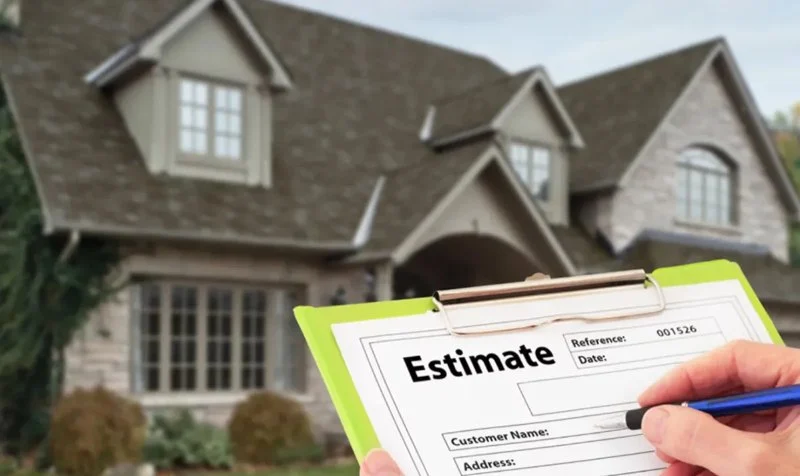
A roofing estimate is a detailed breakdown of the costs associated with repairing or replacing a roof. It provides an overview of what the roofing contractor plans to charge for the project, including materials, labor, and other necessary components. A roofing estimate can be critical in understanding the scope of the work, the materials used, and the overall cost before making a decision.
When you receive a roofing estimate, it’s important to know how to interpret it to ensure you’re getting a fair price. Understanding the line items and identifying potential hidden fees can help you avoid surprises and ensure transparency in the roofing process.

Tekton Builders and Restoration
FrederickFrederick CountyMaryland
6916 Sovereign Pl, Frederick, MD 21703, USA
2. Key Line Items in a Roofing Estimate
Roofing estimates typically include several line items that break down the overall cost of the project. These line items can vary depending on the contractor and the specifics of your roof, but here are some common components you’ll likely see:
- Materials: This includes the type and quantity of roofing materials needed for the project, such as shingles, underlayment, flashing, and nails. The quality and brand of materials can significantly impact the overall cost.
- Labor Costs: Labor is a major cost component in any roofing project. This section will detail how much you’re being charged for the work involved in installing or repairing the roof. It may include the number of workers required and the estimated hours for the job.
- Removal and Disposal of Old Roofing: If you are replacing an existing roof, this line item covers the cost of removing the old roofing materials and disposing of them properly. This can include dumping fees or recycling charges.
- Permits: Depending on your location, permits may be required for roofing work. The estimate should outline any fees associated with obtaining the necessary permits for the project.
- Inspection Fees: Some contractors may include the cost of an initial inspection to assess the condition of your roof or determine the extent of repairs needed.
- Warranty: Roofing contractors may offer warranties for both labor and materials. This should be clearly listed in the estimate, along with any additional costs for extended warranties or special coverage options.
Make sure to review each line item carefully to ensure everything is accounted for, and ask the contractor for clarification on any charges that seem unclear.
The Roof Repair Guys
308 Wilkes Barre Township Blvd, Wilkes-Barre Township, PA 18702, USA
3. How to Spot Hidden Fees in a Roofing Estimate
While roofing estimates should provide a comprehensive breakdown of costs, hidden fees can sometimes be included. Here’s how to spot them and avoid paying more than you expected:
- Unspecified Charges: Look for vague or unspecified charges that don’t clearly explain the cost breakdown. If something seems ambiguous, ask for details and clarification.
- Excessive Permitting Fees: While permits are necessary for some roofing projects, excessive fees may be added. Double-check local permitting requirements to ensure the charges are reasonable.
- High Disposal Fees: While disposal fees are common for old roofing materials, make sure the contractor isn’t inflating the cost or adding unnecessary surcharges.
- Extra Charges for Clean-Up: Some contractors may charge for clean-up after the job is completed. If this is not included in the estimate, ensure you’re not being charged excessively for a simple task like picking up debris.
- Contingency Fees: Contingency fees are sometimes added to the estimate for unexpected circumstances, such as discovering additional damage after removing the old roof. While some contingency is normal, be wary of overly inflated estimates for unforeseen issues.
By carefully reviewing the roofing estimate and asking the contractor to clarify any ambiguous charges, you can avoid unnecessary hidden fees and ensure you're paying for only what’s needed.
4. Tips for Comparing Roofing Estimates
When evaluating multiple roofing estimates, it’s important to compare not just the price, but also the quality of materials and the scope of work. Here are some tips to help you make an informed decision:
- Look Beyond the Price: The lowest estimate isn’t always the best. Make sure the materials and labor included in each estimate are comparable. Sometimes a higher price may be justified by better-quality materials or more experienced labor.
- Check the Contractor’s Reputation: Research the contractors’ reputation through reviews and testimonials. A contractor with a good track record will likely provide a more accurate and reliable estimate.
- Request a Detailed Breakdown: Always ask for a detailed line-by-line estimate. This will allow you to compare the costs of each component and see where the price differences lie.
- Verify Insurance and Licensing: Ensure that the roofing contractor has the proper insurance and licensing to perform the work. This can prevent issues if something goes wrong during the project.
Taking these steps will help you make an informed decision and choose a roofing contractor who offers fair pricing and high-quality work.
5. How to Ensure Transparency in Your Roofing Project
Transparency is key when working with a roofing contractor. To ensure your project goes smoothly and there are no surprises, follow these steps:
- Get Everything in Writing: A written contract is essential for protecting both parties. Make sure all aspects of the project are documented, including materials, labor, timeline, and payment terms.
- Discuss Payment Terms Upfront: Clarify the payment structure before the work begins. Avoid paying large upfront fees, and make sure payment is due upon completion or in installments that align with the project’s progress.
- Regular Communication: Maintain regular communication with the contractor throughout the project. This ensures you stay informed about any changes to the timeline, materials, or pricing.
- Review the Final Invoice: Once the project is complete, carefully review the final invoice to ensure it matches the original estimate and includes only the agreed-upon charges.
By ensuring transparency in every step of the process, you can prevent misunderstandings and ensure the job is completed to your satisfaction.
6. Real-Life Case Study: Avoiding Hidden Fees in a Roof Replacement
A homeowner, Sarah, received three roofing estimates for her roof replacement. While the estimates varied in price, one stood out as unusually low. The contractor explained the lower price by offering a “special discount.” However, after reviewing the estimate in detail, Sarah noticed several hidden fees, including excessive disposal charges and an inflated permit cost.
Sarah asked the contractor to clarify these charges and discovered that they were not standard fees for her area. She decided to go with a higher-priced contractor who offered more transparency in the estimate, including detailed line items and no hidden fees. In the end, Sarah saved money by avoiding unnecessary charges and got a roof that would last longer.
This case illustrates the importance of reviewing every line item in a roofing estimate. By being proactive and asking the right questions, homeowners can avoid hidden fees and ensure they get fair pricing for quality work.

 Montclair Roofing4.0 (52 reviews)
 Almir's Roofing and General Contracting4.0 (4 reviews)
 Danny's Construction LLC5.0 (1 reviews)
 Conde Roofing & Construction, LLC5.0 (179 reviews)
 Panda Exteriors4.0 (44 reviews)
 Mainato Restoration4.0 (42 reviews)
 How to Choose the Right Roofing Underlayment for a Cold Climate
 How to Install Roof Snow Fences to Control Drifting – A Step-by-Step Guide
 What is a Roofing Project Management Software? How it Benefits Homeowners
 How to Fix a Roof Leak Caused by Ice Dams | BeachCo Roofing Hub
 Roof Square Explained: What it is & Why It’s Important for Roofing Quotes
 How to Fix a Roof Leak Caused by Ice Dams