
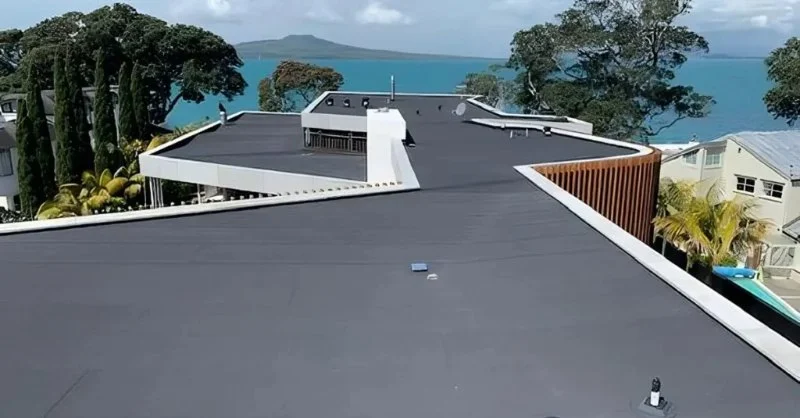
- 1-Understanding Cold-Applied Roof Membranes
- 2-Key Benefits of Cold-Applied Systems
- 3-Potential Drawbacks and Considerations
- 4-Real-World Case Studies
- 5-Maintenance and Longevity Tips
- 6-Choosing the Right System for Your Property
1. Understanding Cold-Applied Roof Membranes
A cold-applied roof membrane system is a type of roofing installation that does not require heat for application. Instead, liquid adhesives, sealants, or pre-fabricated sheets are applied at ambient temperature, creating a continuous, waterproof barrier. This method is especially popular for commercial flat roofs and low-slope residential roofs because it reduces safety risks associated with torches and hot asphalt.
Cold-applied membranes are often composed of materials like polyurethane, silicone, or modified bitumen. Understanding the composition and installation process is essential before making a decision, as these factors influence durability, maintenance, and performance under varying weather conditions.
B & B Roofing & Construction
FayettevilleFranklin CountyPennsylvania
576 Mont Alto Rd, Fayetteville, PA 17222, USA
2. Key Benefits of Cold-Applied Systems
There are several advantages to choosing a cold-applied roof membrane system:
- Safety: No open flames or hot materials reduce fire hazards during installation.
- Ease of Installation: Cold-applied systems often require less specialized equipment, enabling faster installation on tight schedules.
- Flexibility and Waterproofing: These membranes provide a seamless, flexible surface that adapts to structural movement, minimizing leaks.
- Reduced Odor and Environmental Impact: Many cold-applied adhesives are low-VOC, improving worker comfort and environmental safety.
A real-world example: A commercial building in Miami used a cold-applied silicone membrane to repair a flat roof. The installation was completed within days, minimizing business disruption while providing a reliable waterproof barrier during the hurricane season.
3. Potential Drawbacks and Considerations
While cold-applied systems offer significant benefits, there are considerations to keep in mind:
- Weather Sensitivity: Application can be limited by temperature and humidity, which may affect curing and adhesion.
- Cost: Certain high-performance materials, such as silicone membranes, can be more expensive upfront than traditional hot-applied systems.
- Surface Preparation: Proper cleaning and priming of the substrate are critical. Any debris or moisture can compromise adhesion and longevity.
- Durability Variations: Some cold-applied membranes may not be as resistant to heavy foot traffic or sharp objects compared to built-up or torch-applied systems.
For instance, a warehouse in Houston faced minor issues when a cold-applied membrane was installed during a rainy week, resulting in delayed curing. Proper planning and adherence to manufacturer guidelines could have prevented this problem.
4. Real-World Case Studies
Examining case studies helps illustrate practical outcomes:
1. Corporate Office, Los Angeles: The building upgraded to a cold-applied polyurethane membrane. Within a year, energy costs dropped due to the reflective properties of the membrane, and there were zero leaks during heavy storms.
2. Industrial Warehouse, Atlanta: A silicone-based cold-applied membrane replaced an aging torch-applied system. The installation required minimal disruption and eliminated fire risks, though initial material costs were higher.
These examples demonstrate how the choice of membrane and installation process can significantly affect performance, cost, and safety outcomes. For professional guidance and high-quality materials, BeachCo Roofing Hub provides expert recommendations tailored to different building types.
5. Maintenance and Longevity Tips
To maximize the lifespan of a cold-applied roof membrane system, consider these strategies:
- Schedule regular inspections for punctures, blistering, or seam separation.
- Keep the roof clear of debris that can trap moisture or cause damage.
- Address minor repairs promptly to prevent small issues from escalating.
- Ensure drains and gutters are functioning properly to avoid standing water.
Routine maintenance ensures that the cold-applied membrane maintains its waterproofing integrity, protecting the building from water damage and costly repairs.
6. Choosing the Right System for Your Property
When selecting a roofing system, consider your property type, climate, and budget. Cold-applied roof membranes are ideal for buildings where safety, speed, and seamless waterproofing are priorities. Consult with roofing professionals and utilize resources from BeachCo Roofing Hub to evaluate materials, installation techniques, and long-term performance.
Ultimately, understanding both the pros and cons allows property owners to make informed decisions, ensuring their roofing investment delivers durability, safety, and peace of mind for years to come.

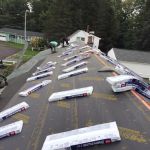 Granite State Roofing5.0 (46 reviews)
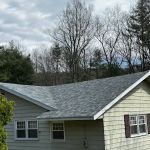 American Way Home Improvements0.0 (0 reviews)
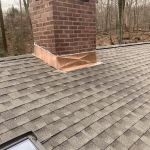 Pesantez home Renovations inc.5.0 (5 reviews)
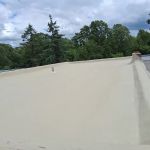 Meadowview Roof Coatings LLC0.0 (0 reviews)
 6D Roofing and Chimney Repair5.0 (28 reviews)
 Affordable Slate Roofing5.0 (2 reviews)
 The Best Roofing Materials for a Home in a Forested Area with High Moisture
 Tile Roof Repair: How to Handle Cracked and Broken Tiles
 How to Choose a Roofing Material for a Steep Slope Roof
 How to Install a Roof Vent for a Gas Water Heater or Furnace
 DIY Roof Inspection Checklist: How to Safely Assess Your Roof's Condition
 How to Choose a Roofing Contractor That Specializes in Complex Historic Restoration