DIY Roof Inspection Checklist: How to Safely Assess Your Roof's Condition
- Why Roof Inspection is Important
- When to Perform a Roof Inspection
- Tools Needed for a Roof Inspection
- How to Inspect Your Roof: Step-by-Step
- Common Roofing Issues to Look For
- Safety Tips for Roof Inspections
1. Why Roof Inspection is Important
Roof inspections are a vital part of home maintenance, ensuring that your roof remains in good condition and protecting your home from the elements. Regular roof inspections help identify minor issues before they become major problems, potentially saving you money on costly repairs.
A well-maintained roof can extend the life of your home, prevent leaks, and keep your energy costs low by improving insulation. By performing a DIY roof inspection, you can spot problems early and take necessary actions to keep your roof in optimal condition.
Smart Care Exteriors LLC
MonroeGreater Bridgeport Planning RegionConnecticut
70 Knapp St, Monroe, CT 06468, USA
2. When to Perform a Roof Inspection
It’s essential to perform a roof inspection regularly and after certain events. Here are some recommended times to inspect your roof:

Roof Pros Storm Division, Inc.
GlastonburyCapitol Planning RegionConnecticut
257 New London Turnpike, Glastonbury, CT 06033, USA
1. Spring and Fall
The ideal times to check your roof are in spring and fall, when the weather is milder, and the roof has experienced the seasonal changes of winter or summer. These inspections allow you to identify any damage caused by snow, ice, or heavy rainfall.
2. After a Storm
If your area has experienced a severe storm, it’s a good idea to inspect your roof afterward. High winds, hail, or heavy rain can cause significant damage that may not be immediately noticeable from the ground.
3. Before Selling or Purchasing a Home
If you’re planning to sell your home or purchase a new one, a roof inspection is a smart step. A professional inspection ensures there are no hidden issues that could affect the value of the property or lead to costly repairs after the sale.
3. Tools Needed for a Roof Inspection
Before you begin inspecting your roof, gather the necessary tools to ensure a thorough and safe inspection. Here’s a list of essential tools:
1. Ladder
A sturdy ladder is essential for safely accessing your roof. Make sure the ladder is tall enough to reach your roof and is placed on a level surface to prevent accidents.
2. Binoculars
If you don’t feel comfortable getting on the roof, binoculars can help you spot potential issues from the ground. This tool is especially useful for spotting damage like missing shingles or sagging gutters.
3. Flashlight
If you plan to inspect your attic, a flashlight is necessary to help you look for leaks or signs of water damage that may not be visible from the exterior.
4. Camera or Smartphone
Taking pictures of any issues you spot during the inspection can help you keep a record and show to professionals if you need assistance with repairs.
4. How to Inspect Your Roof: Step-by-Step
Follow this step-by-step guide to perform a thorough DIY roof inspection:
Step 1: Inspect the Roof Exterior
Start by visually inspecting the exterior of your roof from the ground. Look for any obvious signs of damage, such as missing or curled shingles, cracks, or sagging. Use binoculars to examine the roof’s surface for any issues that may be difficult to spot with the naked eye.
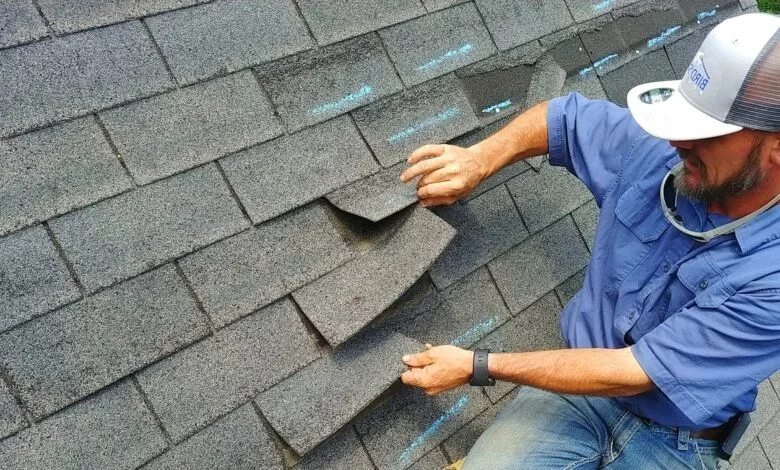
Step 2: Check for Loose or Damaged Shingles
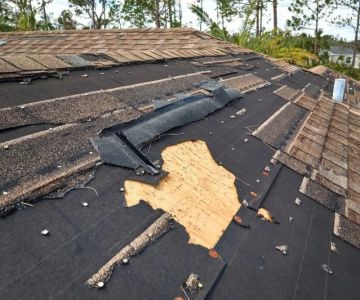
Examine the shingles closely for any that are cracked, curled, or missing. Damaged shingles expose your roof to potential water damage, so it’s important to address these issues promptly.
Step 3: Inspect Flashing and Gutters
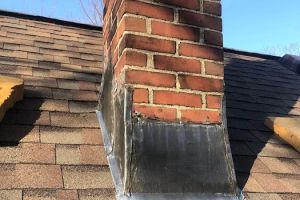
Flashing is the metal or sealant used around chimneys, vents, and skylights to prevent water from entering your home. Inspect the flashing for any gaps or rust. Also, check the gutters for debris, as clogged gutters can lead to water backup and roof damage.
Step 4: Inspect the Attic
Go into your attic to check for any signs of water stains, mold, or light coming through the roof. These are indications that there might be leaks that need to be addressed. Check the attic insulation to ensure it’s evenly distributed and in good condition.
Step 5: Check for Moss or Algae
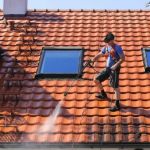
If you see moss or algae on your roof, it can trap moisture and cause damage to shingles. Clean these areas using a gentle cleaner designed for roofs to prevent future buildup and protect your roof’s surface.
5. Common Roofing Issues to Look For
While inspecting your roof, keep an eye out for these common roofing issues:
1. Leaks
Leaks are a common problem and can lead to significant water damage if not addressed promptly. Look for water stains in the attic or signs of water damage on the ceilings.
2. Roof Ventilation Issues
Improper roof ventilation can lead to heat buildup in the attic, which can shorten the lifespan of your roof. Check for proper airflow and ensure vents are not blocked by debris.
3. Roof Wear and Tear
With time, your roof may experience wear and tear, especially if it’s older or exposed to harsh weather. Look for signs of wear, such as thinning shingles or discoloration, that may require repairs or replacement.
6. Safety Tips for Roof Inspections
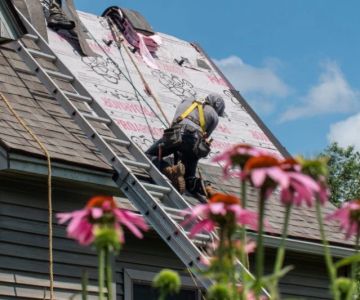
Roof inspections can be dangerous, so it’s important to take the necessary precautions to stay safe. Here are some safety tips to follow:
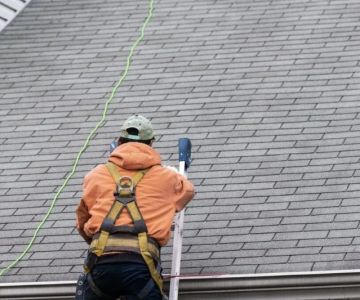
1. Use a Sturdy Ladder
Ensure your ladder is securely placed on level ground and extend it far enough to reach the roof. Never lean the ladder against the roof or try to climb it without proper support.
2. Wear Non-Slip Shoes
Wear shoes with a non-slip sole to prevent accidents while climbing or walking on the roof. Avoid wearing sandals or shoes with slick soles.
3. Have a Spotter
If possible, have someone with you to help hold the ladder steady and assist if needed. It’s always safer to have someone on the ground when working at heights.
4. Avoid Roof Access in Wet Conditions
Never attempt a roof inspection in wet or windy conditions. Wet roofs can be slippery, and high winds can make it difficult to maintain balance.
By following this DIY roof inspection checklist, you can ensure that your roof stays in great condition and identify potential issues before they become costly problems. For expert roofing services and more roof maintenance tips, visit BeachCo Roofing Hub for the best products and services to keep your roof in top shape.

 Roofing With Integrity4.0 (6 reviews)
 Miracle Home Improvements4.0 (57 reviews)
 Jake's Roof Restorations4.0 (4 reviews)
 B&T Home Improvements4.0 (18 reviews)
 E Roof Repair & Roofing contractor5.0 (10 reviews)
 Russell's Roofing Company3.0 (12 reviews)
 Dealing with Roof Mold and Mildew: Cleaning and Health Considerations
 How to Identify and Repair Roof Damage from Poor Ventilation
 How to Install a Roof Vent for a Commercial Kitchen Exhaust System
 How to Identify and Repair Roof Damage from Long-Term Shade and Moisture
 How to Choose the Best Roofing Material for a Building with a Green Roof System
 The Cost of a New Roof with a Class 4 Impact Rating and Class A Fire Rating: Everything You Need to Know