- 1 - Why OSHA Safety Standards Matter in Roofing
- 2 - How to Verify OSHA Certifications for Roofing Contractors
- 3 - Choosing a Roofing Contractor That Prioritizes Safety
- 4 - The Importance of Reviewing a Roofing Contractor’s Safety Record
- 5 - Common Roofing Safety Issues to Avoid
1 - Why OSHA Safety Standards Matter in Roofing
When hiring a roofing contractor, safety should always be a top priority. Roofing is one of the most dangerous trades, with workers often exposed to heights, heavy materials, and harsh weather conditions. The Occupational Safety and Health Administration (OSHA) sets safety standards to protect workers and ensure that they operate in safe conditions. For homeowners, ensuring that your contractor follows these standards is crucial not only for the safety of the workers but also for the protection of your home and property.
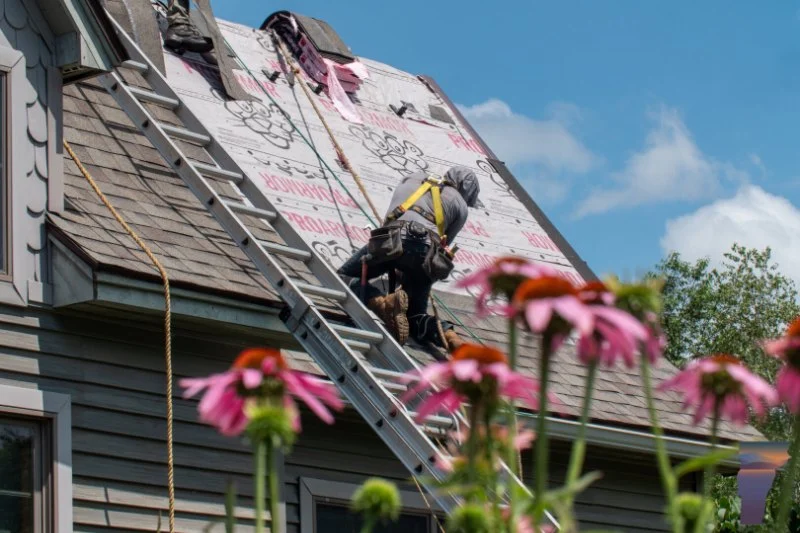
OSHA guidelines cover everything from the use of protective equipment (such as helmets and harnesses) to proper ladder placement and scaffolding setup. Contractors who comply with OSHA safety standards are less likely to have accidents on the job, which reduces the risk of delays, insurance claims, or legal issues. By choosing a contractor that prioritizes OSHA standards, you're investing in the quality and safety of the job being done.
2 - How to Verify OSHA Certifications for Roofing Contractors
To ensure your roofing contractor follows OSHA safety standards, it’s essential to verify that they have the appropriate certifications. Here are the steps to confirm their compliance:
- Ask for Proof of OSHA Certification: A reputable contractor will be able to provide documentation that shows they are OSHA-certified. This may include a certification card or proof of OSHA training programs completed by their workers.
- Check the Contractor’s Safety Training Program: In addition to individual certifications, a contractor should have a formal safety training program for their team. Ask about how frequently they conduct safety training and whether they conduct regular safety audits on their job sites.
- Verify with OSHA: You can contact OSHA directly or check their online database to verify whether the contractor is in good standing and follows proper safety guidelines.
By taking these steps, you can be confident that your roofing contractor is trained and equipped to follow OSHA safety standards, ensuring a safe work environment for everyone involved.

3 - Choosing a Roofing Contractor That Prioritizes Safety
Choosing a roofing contractor that uses OSHA safety standards is essential, but how do you ensure that safety is a priority for the company? Here are a few tips to help you choose a roofing contractor that values safety:
- Look for Certification and Insurance: A reliable roofing contractor will have both the appropriate OSHA certifications and insurance coverage. Verify that they carry worker’s compensation and liability insurance to protect both their workers and your property.
- Read Reviews and Testimonials: Look for feedback from past clients, particularly concerning the contractor’s safety practices. Reviews that mention a clean job site and the contractor’s attentiveness to safety should be a positive indicator.
- Assess Their Equipment and Tools: A contractor that prioritizes safety will invest in proper equipment. This includes quality ladders, scaffolding, and fall protection systems. Ask about the types of safety equipment they use on-site to prevent accidents.
Hiring a contractor that adheres to safety regulations may cost a bit more upfront, but it will save you time, money, and stress in the long run by preventing accidents or damage.
4 - The Importance of Reviewing a Roofing Contractor’s Safety Record
Before signing a contract with a roofing contractor, it’s important to review their safety record. A contractor with a clean safety record demonstrates their commitment to following safety protocols and preventing accidents. On the other hand, a contractor with a history of workplace accidents or safety violations could pose a risk to you and your property.
Here’s how to evaluate a contractor’s safety record:
- Ask for a Safety History Report: A responsible roofing company should be transparent about their safety history. Ask for information about any accidents, near-misses, or safety violations in the past, and how they were addressed.
- Request References from Past Clients: Talking to previous clients can help you assess the safety of the work environment. Ask if the contractor took safety precautions and if there were any safety-related incidents during their roofing projects.
By reviewing a contractor’s safety record, you can better assess whether they’re the right choice for your project and whether they’re committed to following OSHA guidelines.
5 - Common Roofing Safety Issues to Avoid
While hiring a contractor that follows OSHA safety standards is important, it's also useful to be aware of common roofing safety issues that can occur during a project. Here are some safety hazards to look out for:
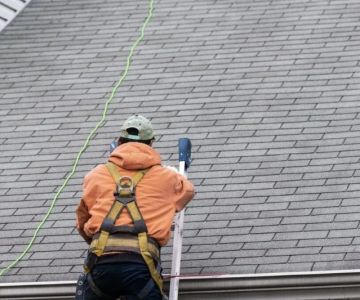
- Inadequate Fall Protection: Falling from heights is one of the leading causes of injury in roofing. Make sure the contractor uses appropriate fall protection equipment, such as harnesses, guardrails, and safety nets.
- Improper Ladder Usage: Ladders must be used correctly to prevent falls. Ensure the contractor uses sturdy, well-maintained ladders and follows proper ladder safety procedures.
- Unsafe Roofing Materials Handling: Roofing materials can be heavy and awkward to move. Ask the contractor about their procedures for safely handling and lifting materials, especially if the job involves heavy shingles or roofing equipment.
By being proactive about these common safety concerns, you can help ensure that your roofing project is completed safely and successfully, with minimal risk of injury or accidents.
For more information on finding certified, OSHA-compliant roofing contractors and quality roofing services, visit BeachCo Roofing Hub. Our platform helps connect homeowners with trusted contractors who prioritise safety and quality in every roofing project.

 French Roof Executive Building0.0 (0 reviews)
 M.J. Ambrose Enterprises, Inc.2.0 (3 reviews)
 DeMarco Family Roofing1.0 (2 reviews)
 Tri State Building Renovation5.0 (1 reviews)
 Verrazano Roofing4.0 (53 reviews)
 Sharrow Siding & Gutters LLC0.0 (0 reviews)
 How to Install a Roof Vent for a Gas Water Heater or Furnace
 How to Repair a Roof Valley: Why This Critical Area is Prone to Leaks
 How to Choose a Roofing Material for High Wind Areas
 Best Methods for Cleaning Roof Stains Without Damaging Shingles
 The Best Roofing Materials for a Barndominium or Pole Barn
 How to Install Roof Heat Tape to Prevent Ice Dams