- What is Roofing Project Quality Control?
- The Importance of a Roofing Quality Control Checklist
- Key Components of a Roofing Quality Control Checklist
- Ensuring Roofing Standards During Project Execution
- Common Roofing Issues and Solutions
What is Roofing Project Quality Control?
Roofing projects, whether residential or commercial, require precision and attention to detail to ensure durability, safety, and aesthetic quality. Roofing Project Quality Control (QC) refers to the processes, checks, and measures taken throughout the life of a roofing project to ensure that all aspects of the project meet the required standards. QC ensures that the materials used, installation procedures, and finished product align with industry standards and the expectations of the client.
Effective quality control helps prevent costly mistakes, delays, and rework, ensuring that the roofing system performs as expected over its lifespan. A roofing quality control checklist is an essential tool in this process, acting as a guide to help roofing contractors and project managers stay on track and avoid common pitfalls.
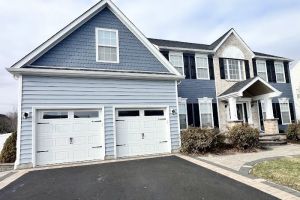
DB Home Remodeling Solutions - Townsend, DE.
TownsendNew Castle CountyDelaware
204 Olivine Cir, Townsend, DE 19734, USA
The Importance of a Roofing Quality Control Checklist
A roofing quality control checklist is not just a procedural tool—it’s a vital part of any roofing project. Here’s why it’s so important:

Keith Gauvin Roofing
EllingtonCapitol Planning RegionConnecticut
131 Jobs Hill Rd, Ellington, CT 06029, USA
1. Ensures Compliance with Industry Standards
The roofing industry has strict standards and codes that must be followed to ensure safety and quality. A quality control checklist ensures that every step of the process, from material selection to installation, is in line with these codes, preventing costly violations and ensuring a long-lasting roof.
2. Prevents Costly Errors and Rework
Without a solid checklist, small mistakes can go unnoticed, leading to bigger problems later. By adhering to a detailed quality control checklist, roofing contractors can catch errors early, avoiding rework and additional costs down the line.
3. Improves Project Efficiency
Having a standardized checklist helps roofing contractors stay organized and focused, improving efficiency. This results in faster project completion and fewer delays. It ensures that each task is completed in a timely manner and that all necessary inspections are performed at the right stages.
4. Increases Customer Satisfaction
By meeting quality standards, the roofing project will be completed with greater precision, ensuring the roof performs well and lasts longer. Satisfied customers are more likely to recommend the service, leading to better reputation and future business.
Key Components of a Roofing Quality Control Checklist
A comprehensive roofing quality control checklist should include a range of checkpoints that cover all critical aspects of the roofing process. Here are the essential components:
1. Material Verification
The first step in quality control is to ensure the materials used are of the highest quality and meet the specifications outlined in the project plan. This includes verifying the roofing materials’ compliance with industry standards, such as durability, resistance to weather conditions, and overall quality. Common materials to verify include shingles, underlayment, adhesives, flashing, and sealants.
2. Pre-Installation Inspection
Before starting the roofing installation, it’s crucial to inspect the roof structure for damage or any issues that might affect the installation. This includes ensuring the decking is secure, free from rot, and properly aligned. The roof should also be cleaned of debris to allow the materials to adhere properly.
3. Installation Quality Checks
During installation, quality control measures should monitor the following:
- Proper alignment and placement of roofing materials
- Correct nailing patterns and fasteners
- Proper installation of flashing and ventilation systems
- Sealing and waterproofing at joints and seams
Regular checks throughout the installation process will ensure no step is missed and that the roof is being installed correctly.
4. Post-Installation Inspection
Once the roof is installed, a final inspection should be performed to ensure that the project meets all specifications and quality standards. This inspection should focus on:
- Ensuring there are no loose or missing shingles
- Checking for leaks or gaps in the roofing system
- Verifying that all components, such as gutters and downspouts, are properly installed
- Examining the overall finish and appearance of the roof
Ensuring Roofing Standards During Project Execution
Quality control doesn’t stop with the checklist. Here are a few more strategies to ensure roofing standards are upheld throughout the entire project:
1. Regular Supervision and Site Inspections
Regular site inspections by the project manager or a quality control supervisor are essential. They can address potential issues before they become larger problems, ensuring that standards are met continuously during the roofing project.
2. Continuous Communication with the Roofing Team
Frequent communication with the roofing crew ensures that all team members are aware of the standards and the importance of following the quality control checklist. Any concerns or challenges should be addressed promptly to maintain the quality of work.
3. Tracking Progress and Performance
Tracking progress ensures that the project is on schedule, and tracking performance metrics helps to evaluate the work being done. If performance dips below the required standard, corrective actions can be taken immediately.
Common Roofing Issues and Solutions
Even with a thorough quality control checklist, certain issues may arise during roofing projects. Here are some common problems and their solutions:
1. Leaks and Water Damage
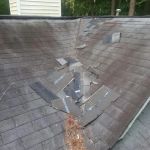
Leaks are a common issue that can arise from improperly installed flashing, poorly sealed joints, or defective materials. The solution lies in ensuring all seams and joints are properly sealed and that the flashing is installed correctly to divert water away from vulnerable areas.
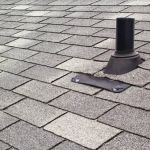
2. Improper Installation of Roof Vents
Improper installation of roof vents can lead to poor ventilation, causing heat buildup and moisture accumulation in the attic. The solution is to ensure that ventilation systems are correctly installed and that airflow is optimized throughout the roof structure.
3. Shingle Damage
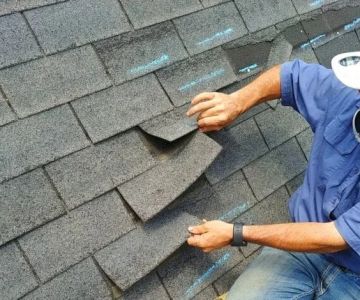
Shingles can become damaged due to improper handling during installation or from exposure to harsh weather conditions. Ensuring proper installation techniques, handling materials with care, and using high-quality shingles can prevent damage.
For more expert roofing solutions and the best materials for your project, visit BeachCo Roofing Hub, where we offer high-quality roofing products and professional services tailored to your needs.

 French Roof Executive Building0.0 (0 reviews)
 M.J. Ambrose Enterprises, Inc.2.0 (3 reviews)
 DeMarco Family Roofing1.0 (2 reviews)
 Tri State Building Renovation5.0 (1 reviews)
 Verrazano Roofing4.0 (53 reviews)
 Sharrow Siding & Gutters LLC0.0 (0 reviews)
 How to Install a Roof Vent for a Gas Water Heater or Furnace
 How to Repair a Roof Valley: Why This Critical Area is Prone to Leaks
 How to Choose a Roofing Material for High Wind Areas
 Best Methods for Cleaning Roof Stains Without Damaging Shingles
 The Best Roofing Materials for a Barndominium or Pole Barn
 How to Install Roof Heat Tape to Prevent Ice Dams