1. Overview of Roof Coatings
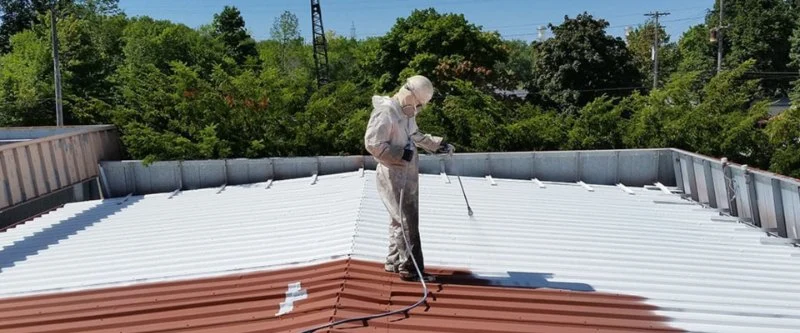
Roof coatings are protective layers applied to the surface of roofs to improve their durability, weather resistance, and energy efficiency. These coatings act as a barrier against harsh environmental elements, such as UV rays, rain, and temperature fluctuations. Roof coatings can extend the life of a roof, prevent leaks, and reduce maintenance costs. However, not all roof coatings are created equal, and understanding their lifespan is crucial for homeowners and building owners looking to make a smart investment in their roofing system.
2. Types of Roof Coatings
There are several types of roof coatings, each with its own benefits and lifespan. The most common types include:
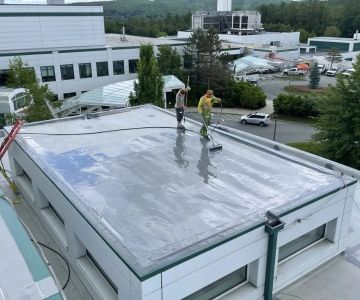
- Acrylic Roof Coatings: Acrylic coatings are popular due to their water resistance, ease of application, and reflective properties. These coatings are ideal for flat or low-slope roofs.
- Silicone Roof Coatings: Silicone coatings are known for their excellent resistance to moisture and UV degradation. They are commonly used on metal roofs or areas with heavy rainfall.
- Polyurethane Roof Coatings: Polyurethane coatings provide excellent durability and impact resistance. They are often used on roofs subject to foot traffic or areas that experience harsh conditions.
- Asphalt Roof Coatings: Asphalt coatings are typically used for low-slope roofs. These coatings are known for their cost-effectiveness and ability to resist water.
- Elastomeric Roof Coatings: These coatings are highly flexible and can expand and contract with temperature changes, making them ideal for roofs that experience significant thermal movement.
3. Lifespan of Various Roof Coatings
The lifespan of roof coatings varies depending on the material used, the climate, and the level of maintenance. Here is a breakdown of the average lifespan for different types of roof coatings:
- Acrylic Roof Coatings: Acrylic coatings typically last between 10 to 15 years. They provide excellent UV protection, but their lifespan can be shortened in areas with extreme weather conditions.
- Silicone Roof Coatings: Silicone coatings are known for their longevity, lasting up to 20 years or more when properly maintained. They are especially effective in wetter climates due to their water-resistant properties.
- Polyurethane Roof Coatings: Polyurethane coatings offer a lifespan of 10 to 15 years, depending on the application and environmental conditions. They are resistant to abrasion and impact, making them ideal for high-traffic areas.
- Asphalt Roof Coatings: Asphalt coatings generally last 5 to 10 years. While they are affordable, they may require more frequent reapplication compared to other types of coatings.
- Elastomeric Roof Coatings: Elastomeric coatings can last up to 20 years or more. These coatings are highly durable and flexible, making them an excellent choice for roofs that experience significant movement due to temperature fluctuations.
4. Factors That Influence Roof Coating Lifespan
Several factors can affect the lifespan of roof coatings. Understanding these factors can help you choose the right coating for your roof and ensure its longevity:
- Climate: Roof coatings in areas with harsh climates—such as extreme heat, heavy rain, or frequent snow—may wear down more quickly. UV exposure, in particular, can break down certain coatings over time.
- Roof Slope and Type: Roofs with low slopes or flat roofs may require different types of coatings compared to steep-pitched roofs. Flat roofs often need coatings that offer better water resistance.
- Maintenance: Regular maintenance, such as cleaning debris, checking for leaks, and reapplying coatings when necessary, can significantly extend the lifespan of a roof coating.
- Application Quality: The quality of the installation process plays a significant role in the lifespan of a roof coating. Proper surface preparation, correct application techniques, and adequate drying times are essential for optimal performance.
5. Real-Life Case Study: Roof Coating Durability
Consider the case of a commercial building in Florida, which was experiencing leaks and temperature regulation issues. The building’s roof was coated with a high-quality silicone roof coating, which had lasted over 18 years without significant deterioration. The building owner had opted for regular maintenance and re-coating every 5 years, which extended the coating’s life. After the latest re-coating, the building experienced fewer leaks and maintained better insulation, proving the long-lasting benefits of silicone coatings in a harsh, sunny, and wet climate.
6. Conclusion: Choosing the Right Roof Coating for Longevity
When selecting a roof coating, it’s essential to consider the material's lifespan, your climate, and the level of maintenance your roof will require. While some coatings may be more affordable upfront, investing in a durable coating can save you money in the long run by reducing repair costs and extending the life of your roof. To ensure you choose the best roof coating for your needs, visit BeachCo Roofing Hub, where you can find high-quality coatings and expert advice tailored to your roof’s requirements.
 American Eagles Contractor Corp4.0 (1 reviews)
 Symmetry Construction Enterprises LLC4.0 (85 reviews)
 Roofing By Carl's0.0 (0 reviews)
 Villas Group Roofing5.0 (28 reviews)
 ATTYX4.0 (212 reviews)
 Roof 3605.0 (32 reviews)
 Roofing Manufacturer's Approved Installer Program: What You Need to Know
 Best Practices for Choosing the Right Roofing Underlayment for Cold Climates
 How to Read a Roofing Estimate: Understanding Line Items and Avoiding Hidden Fees
 The Cost of Roof Moss Removal and Prevention Treatments: A Complete Guide
 How to Install Roof Ice Melt Mats on a Flat Roof
 How to Prevent Roof Damage from Nesting Birds and Pests