
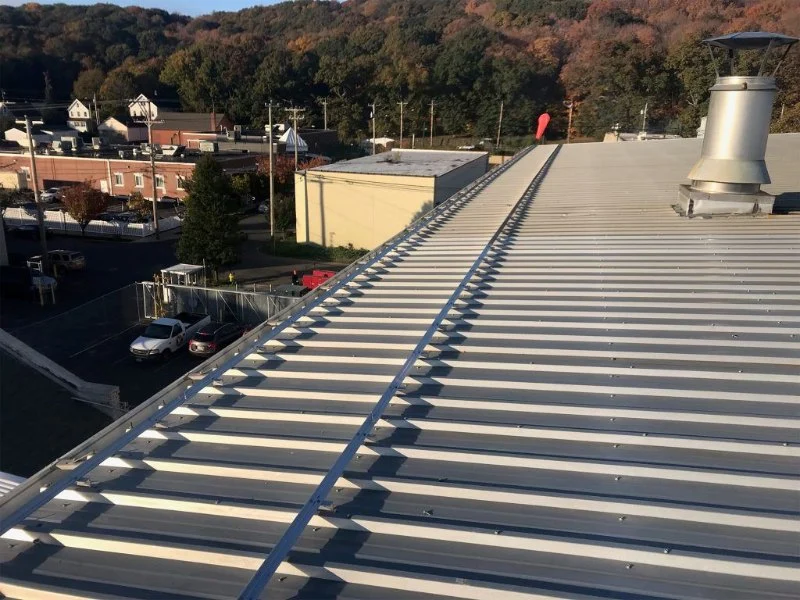
How to Install Roof Snow Guards on a Metal Roof
Snow guards are essential for protecting your home and roof from the hazards of falling snow and ice. On a metal roof, this is especially important, as the smooth surface of the metal can cause snow and ice to slide off quickly, potentially damaging your gutters, landscaping, or even creating a safety hazard. Installing roof snow guards can help mitigate these risks and protect your property. In this guide, we will walk you through the process of installing roof snow guards on a metal roof, step by step.
- 1. Why Snow Guards Are Necessary for Metal Roofs
- 2. Choosing the Right Snow Guards for Your Metal Roof
- 3. Tools and Materials Needed for Installation
- 4. Step-by-Step Guide to Installing Roof Snow Guards
- 5. Real-Life Examples and Tips for Installing Snow Guards
- 6. How Omnia Roofing Hub Can Help You with Snow Guard Installation
1. Why Snow Guards Are Necessary for Metal Roofs
Metal roofs are known for their durability and longevity, but they also pose a unique challenge in snowy climates. Due to the smooth and often steep surface of metal roofing materials, snow and ice can easily slide off without warning, creating potential dangers such as:
- Ice Dams: As snow melts and refreezes, it can form ice dams that block water from draining off the roof, potentially leading to leaks and water damage inside the home.
- Falling Snow and Ice: Snow and ice falling from a metal roof can damage gutters, windows, and landscaping, as well as pose a risk to anyone walking near the building.
- Roof and Structural Damage: The weight and force of falling snow can lead to damage to the roof structure, especially if it slides off in large, heavy sheets.
Installing snow guards helps hold the snow and ice in place, allowing it to melt gradually and reducing the risk of sudden falls. This can save you from costly repairs and protect both your home and your loved ones.
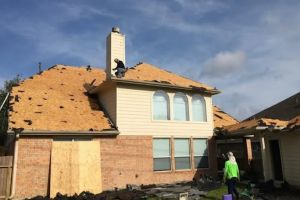
2. Choosing the Right Snow Guards for Your Metal Roof
Not all snow guards are created equal, and it’s important to select the right type for your specific metal roof. There are several different types of snow guards to choose from, including:
Advance Inc - Roofing Windows Siding Doors & Decks
NewarkNew Castle CountyDelaware
645 Dawson Dr, Newark, DE 19713, USA
1. Traditional Snow Guards
Traditional snow guards are installed in rows along the roof’s surface to hold snow in place. These can be either clear or opaque and come in a variety of materials, including metal, plastic, or rubber. Traditional guards are best suited for roofs that experience consistent snowfall.
2. Clamp-On Snow Guards
Clamp-on snow guards are designed to attach directly to the metal panels of the roof without the need for drilling. They are a great option for roofs that have a protective coating or for homeowners who want an easier installation process. These are typically used for more moderate snow conditions.
3. Surface-Mounted Snow Guards
Surface-mounted snow guards are adhered directly to the surface of the roof using a strong adhesive or glue. These can be a more affordable option but may not be as secure as other types, especially in areas with heavy snowfalls.
When selecting snow guards, it’s also important to consider factors such as roof pitch, snow load, and the type of metal roofing material you have. Consulting with a roofing expert can help you choose the best option for your home.
3. Tools and Materials Needed for Installation
Before you begin the installation process, it’s important to gather the necessary tools and materials. Here’s a list of what you’ll need to install snow guards on your metal roof:
- Snow Guards: The number of snow guards required depends on the size of your roof and the type of snow guard you choose.
- Drill and Drill Bits: If you are installing screw-in snow guards, you’ll need a power drill and the correct drill bits for your roof material.
- Screws or Adhesive: Make sure to use screws that are compatible with your roof type or choose a strong adhesive if you are using surface-mounted snow guards.
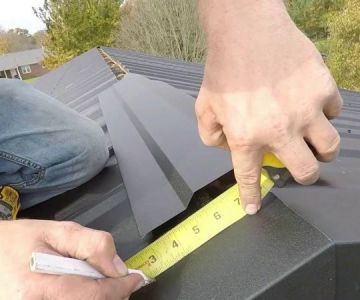
- Measuring Tape: Accurate measurements are essential to ensure the snow guards are evenly spaced.
- Roofing Sealant: Use roofing sealant to seal any holes made during the installation process to prevent leaks.
- Ladder or Scaffolding: Ensure you have a safe and stable way to access the roof during the installation process.
4. Step-by-Step Guide to Installing Roof Snow Guards
Now that you have all the necessary materials, here’s a step-by-step guide to installing roof snow guards on your metal roof:
Step 1: Measure and Mark the Placement
Start by measuring the length and width of your roof to determine the number of snow guards you’ll need. Mark the placement of each snow guard along the roof’s surface, ensuring they are spaced evenly and aligned properly. Use a chalk line or measuring tape to create straight lines for placement.
Step 2: Drill Holes (If Necessary)
If you are installing screw-on snow guards, use a drill to create pilot holes in the roof where you have marked your measurements. Be sure to use the appropriate drill bit size for your roof type and snow guards. Always wear safety equipment when working on the roof.
Step 3: Attach the Snow Guards
Once the holes are drilled (or if you are using adhesive snow guards), attach the snow guards to the roof. Use screws to secure the guards in place or apply the adhesive as directed. Ensure each guard is securely attached and properly aligned with the marks you made earlier.
Step 4: Seal the Holes
If you’ve drilled holes in the roof, apply roofing sealant around the holes to prevent water from seeping into the roof. This step is crucial to prevent leaks and water damage.
Step 5: Inspect and Test
After the installation is complete, carefully inspect the snow guards to ensure they are properly secured. Test them by gently pressing on the guards to make sure they are sturdy. If you have any doubts about the installation, consider consulting with a professional roofer for additional guidance.
5. Real-Life Examples and Tips for Installing Snow Guards
Many homeowners have found success with installing snow guards, and some have shared their experiences with us. For example, a homeowner in Colorado shared their success story of installing snow guards on their metal roof: "We installed snow guards after a large snowstorm caused damage to our gutters. The process was straightforward, and now we no longer worry about snow sliding off and damaging the property. It’s a simple fix that made a big difference!"
Another homeowner in Minnesota emphasized the importance of consulting with a roofing expert: "We tried installing snow guards ourselves, but we realized we didn’t have the right tools. After consulting with a professional, we got the installation done correctly, and the guards have been working great ever since."
6. How Omnia Roofing Hub Can Help Protect Your Roof
If you're planning to install roof snow guards or need assistance with roof maintenance, Omnia Roofing Hub is here to help. We offer a wide range of roofing products, including high-quality snow guards, tools, and professional services to protect your roof. Visit our website today for more information and expert advice on maintaining a safe, snow-free roof this winter.
 Clark Brothers Roofing & Construction4.0 (32 reviews)
 Goldstone General Contractors Corp5.0 (1 reviews)
 Mile Square Roofing5.0 (5 reviews)
 Dawn General Contractor4.0 (19 reviews)
 Willow Valley Roofing5.0 (2 reviews)
 Umo Roofing LLC4.0 (7 reviews)
 How to Choose a Roofing Material for a Noisy Urban Environment
 How to Choose a Roofing Contractor That Uses OSHA Safety Standards
 The Cost of a Roof Replacement with a Non-Combustible Material for Code Compliance
 How to Install a Roof Cricket Behind a Rooftop Mechanical Screen: A Step-by-Step Guide
 How to Properly Install Roof Snow Fences to Prevent Drifting
 How to Choose a Roofing Contractor That Provides a Written Warranty