How to Choose a Roofing Contractor That Uses Energy-Efficient Materials
When it comes to replacing or installing a roof, one of the most important decisions homeowners can make is selecting the right contractor. With the increasing demand for sustainability and energy efficiency, choosing a roofing contractor who uses energy-efficient materials can help reduce your home's energy bills and make a positive impact on the environment. In this article, we will explore how to choose the right contractor and the benefits of energy-efficient roofing solutions.
- Why Energy-Efficient Roofing Matters
- Key Factors to Consider When Choosing a Roofing Contractor
- Types of Energy-Efficient Roofing Materials
- Questions to Ask a Roofing Contractor
- Benefits of Energy-Efficient Roofing
1. Why Energy-Efficient Roofing Matters
Energy-efficient roofing is crucial for homeowners who want to lower their energy consumption and reduce their environmental footprint. A roof plays a significant role in maintaining a comfortable indoor temperature. Poorly insulated or outdated roofing can lead to higher energy costs, as your HVAC system works harder to keep your home cool in summer and warm in winter. By investing in energy-efficient materials, you can keep your home more comfortable while reducing your carbon footprint.
2. Key Factors to Consider When Choosing a Roofing Contractor
Choosing the right roofing contractor is crucial to ensuring that your energy-efficient roofing project is completed successfully. Here are a few key factors to consider when making your decision:
2.1 Experience with Energy-Efficient Materials
Not all roofing contractors have experience working with energy-efficient materials. It's essential to find a contractor who is familiar with these products and can guide you in selecting the best options for your home. Ask potential contractors about their experience installing energy-efficient roofs and their knowledge of different materials.
2.2 Reputation and Reviews
Look for contractors with positive reviews and a strong reputation in the community. Check online reviews, ask for references, and even visit past project sites to ensure the contractor’s work meets your standards. Word-of-mouth recommendations from friends and family can also help you find reputable contractors.
2.3 Proper Licensing and Insurance
It’s important to hire a licensed and insured roofing contractor. This ensures that they meet local building codes and regulations, and if anything goes wrong during the installation, you won’t be held liable. Always verify the contractor’s credentials before proceeding with any work.
3. Types of Energy-Efficient Roofing Materials
Energy-efficient roofing materials are designed to reflect sunlight, reduce heat absorption, and improve insulation. Some of the most popular energy-efficient materials include:
3.1 Cool Roofing
Cool roofing materials are designed to reflect more sunlight and absorb less heat than traditional roofing materials. These roofs are typically made from reflective coatings or shingles, which can significantly reduce the heat retained in your home. Cool roofs can help reduce air conditioning costs in the summer, making them an excellent choice for hot climates.
3.2 Metal Roofing
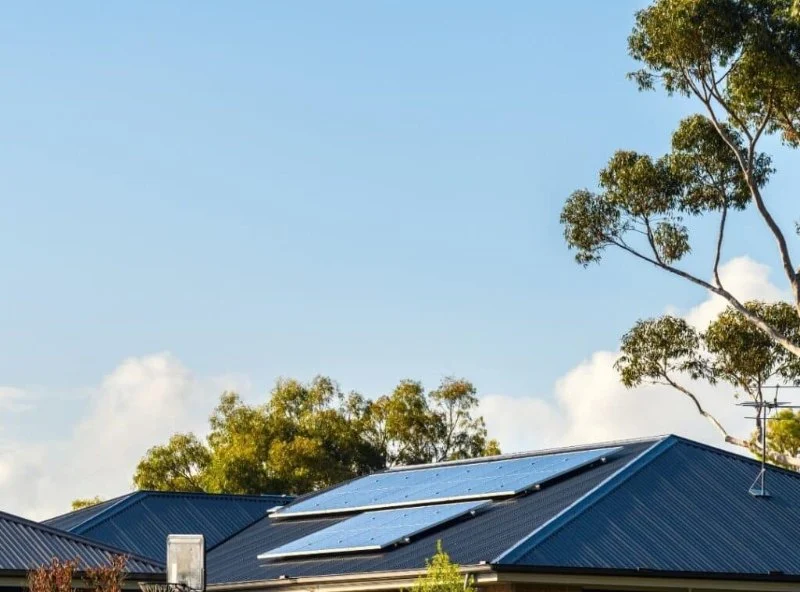
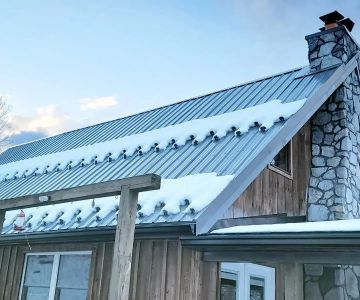
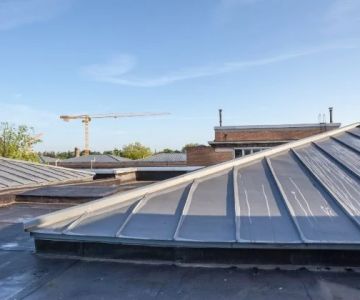
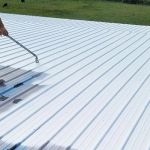
Metal roofing is an energy-efficient option because it reflects solar heat rather than absorbing it. This type of roofing can also be made with cool roofing coatings to further enhance energy efficiency. Metal roofs are durable and require less maintenance, making them a popular choice for homeowners seeking long-term savings.
3.3 Solar Roofs
Solar roofs, or photovoltaic roofs, are an excellent option for homeowners looking to generate renewable energy. These roofs integrate solar panels directly into the roofing material, allowing you to harness solar power while keeping your home insulated and energy-efficient.
3.4 Green Roofs
Green roofs, also known as living roofs, are covered with vegetation that helps reduce heat absorption and provides natural insulation. They also promote biodiversity and can contribute to a more sustainable urban environment. While they may require more maintenance, green roofs offer significant long-term energy savings.
4. Questions to Ask a Roofing Contractor
When speaking with potential roofing contractors, it’s important to ask the right questions to ensure you’re getting the best service and energy-efficient materials for your home:
4.1 Do you specialize in energy-efficient roofing materials?
Ensure the contractor has experience with the specific materials you’re considering, such as cool roofing, metal roofing, or solar panels.
4.2 What are your recommendations for energy-efficient roofing options for my home?
Ask for recommendations based on your home’s location, climate, and roof structure. A knowledgeable contractor will consider all factors when providing advice.
4.3 Can you provide references or examples of past projects?
Request to see past projects involving energy-efficient roofing materials. This will give you an idea of the contractor’s expertise and the quality of their work.
4.4 What is the estimated cost for an energy-efficient roof installation?
Get an estimate that includes the cost of materials, installation, and any additional services such as removing old roofing. This will help you compare contractors and ensure you stay within budget.
5. Benefits of Energy-Efficient Roofing
Choosing an energy-efficient roofing system for your home offers several key benefits:
5.1 Lower Energy Bills
By reducing the amount of heat absorbed by your roof, energy-efficient materials help keep your home cooler in the summer and warmer in the winter. This leads to reduced energy consumption and lower heating and cooling bills.
5.2 Increased Comfort
An energy-efficient roof improves the overall comfort of your home by maintaining more consistent indoor temperatures, regardless of the season.
5.3 Environmental Impact
Energy-efficient roofing materials help reduce your home’s environmental footprint by lowering energy consumption and reducing the need for fossil fuel-based energy sources. Installing a sustainable roof can be a small but impactful step toward creating a more eco-friendly home.
If you’re ready to invest in an energy-efficient roof, visit BeachCo Roofing Hub to find the best materials and contractors for your project. We offer expert advice and high-quality roofing products designed to help you save energy and reduce costs.
 Green Apple Roofing5.0 (28 reviews)
 Shumaker Roofing Company5.0 (51 reviews)
 Jesus Roofing LLC4.0 (54 reviews)
 Skyway Roofing Inc.4.0 (25 reviews)
 Engelmann Construction4.0 (9 reviews)
 J G Roofing4.0 (30 reviews)
 The Cost of Roof Replacement for a Two-Story House vs. a One-Story
 How to Install a Roof Anchor for Safety During Repairs
 How to Maintain Roof Valleys and Downspouts to Prevent Ice Dams
 How to Choose a Roofing Contractor That Specializes in Complex Historic Restoration
 How to Choose the Best Roof Color for Your Home: Energy Efficiency and Curb Appeal
 The Lifespan of Roof Coatings: How Often They Need to be Reapplied