
- 1-Understanding Industrial Pollution and Roof Wear
- 2-How Industrial Pollution Impacts Different Roof Materials
- 3-Factors Affecting Roof Lifespan in Polluted Areas
- 4-Maintaining a Roof in Industrial Pollution Zones
- 5-Best Roofing Materials for Industrial Pollution Areas
- 6-Why Choose BeachCo Roofing Hub
1. Understanding Industrial Pollution and Roof Wear
Industrial pollution is a significant environmental factor that accelerates the wear and tear of building materials, including roofing. Factories, power plants, and manufacturing plants release pollutants such as sulfur dioxide, nitrogen oxides, heavy metals, and particulate matter into the air. Over time, these pollutants settle on roofs, causing chemical reactions that degrade roofing materials. Constant exposure to this pollution can drastically reduce the lifespan of a roof, especially in industrial areas with high pollution levels.

2. How Industrial Pollution Impacts Different Roof Materials
The effects of industrial pollution on roofing materials vary depending on the type of material used. Understanding how different materials react to pollutants can help you choose the best roofing options for your home or business in industrial areas.
Forever Roofing LLC
NorwalkWestern Connecticut Planning RegionConnecticut
13 Sherwood St, Norwalk, CT 06851, USA
2.1 Asphalt Shingles
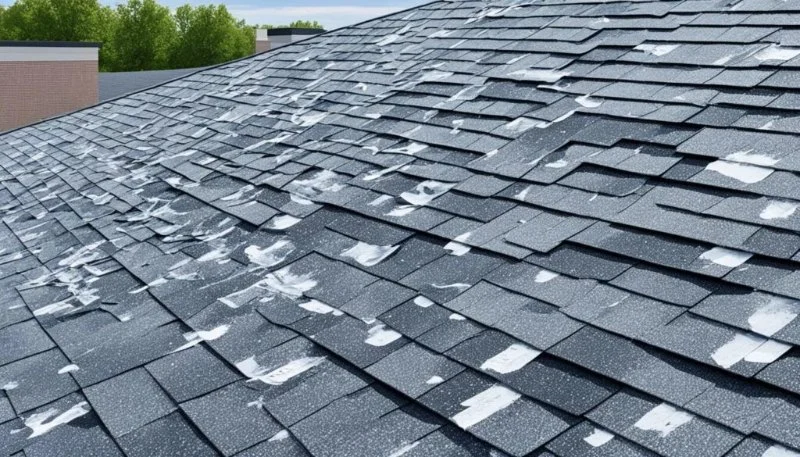
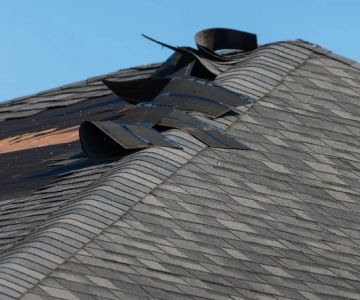
Asphalt shingles are commonly used in residential roofing, but they are highly susceptible to the effects of industrial pollution. The accumulation of sulfur compounds and acidic rain can break down the oils in asphalt shingles, causing them to become brittle, crack, and lose their protective granules. This deterioration leads to a shorter lifespan and the need for frequent repairs or replacement.
2.2 Metal Roofing
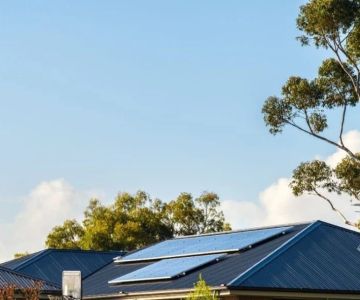
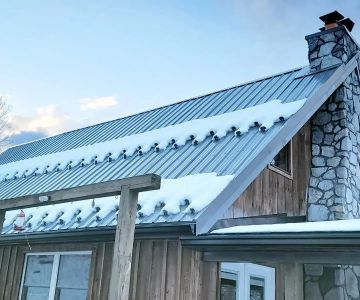
Metal roofs, particularly those made from steel or aluminum, are resistant to many environmental factors, but industrial pollution can still cause damage. Over time, pollution can cause rust and corrosion, especially in areas with high moisture and acid rain. However, metal roofs that are properly coated with protective finishes or galvanizing tend to hold up better in polluted environments than asphalt shingles.
2.3 Clay and Concrete Tiles
Clay and concrete tiles are durable and resistant to many environmental stressors. However, industrial pollution can cause discoloration and staining on the surface of the tiles. The accumulation of pollutants can also weaken the structural integrity of the tiles, especially in regions where acid rain is common. Regular cleaning and maintenance can mitigate some of the damage caused by pollution.
2.4 Flat Roofing (EPDM, TPO, and PVC)
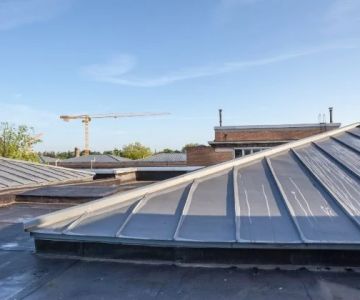
Flat roofs, particularly those made from EPDM, TPO, and PVC, are often used in commercial buildings. These materials can become brittle and lose their flexibility when exposed to industrial pollutants, leading to cracks and leaks. UV radiation, combined with the chemical pollutants in industrial areas, can accelerate this degradation, requiring more frequent repairs or replacements.
3. Factors Affecting Roof Lifespan in Polluted Areas
Several factors can influence how quickly industrial pollution will wear down a roof. These include the type of pollution, the roofing material used, and the geographic location of the building.
3.1 Pollution Type
The type of pollution present in the area is a critical factor in determining how quickly a roof will deteriorate. For example, sulfur dioxide and nitrogen oxides can combine with water in the air to form sulfuric and nitric acids, which are highly corrosive and can cause severe damage to roofing materials. Heavy metals like lead and mercury can also contribute to roof degradation by accelerating the corrosion process.
3.2 Geographic Location
In areas that are close to industrial zones or urban centers, roofs may be more exposed to pollutants. Wind patterns and the amount of rainfall can also influence how pollutants settle on roofs. For example, roofs in areas with high rainfall may experience faster degradation due to acid rain, while those in arid environments may accumulate particulate matter over time.
3.3 Roof Design
The design of the roof can also affect its exposure to pollution. Roofs with steep slopes allow pollutants to wash off more easily, while flat roofs tend to collect debris and pollutants, making them more vulnerable to damage. Additionally, roofs that lack proper ventilation may trap pollutants in the air, which can exacerbate deterioration.
4. Maintaining a Roof in Industrial Pollution Zones
Regular roof maintenance is essential to ensure the longevity of a roof in areas exposed to industrial pollution. Proactive care can prevent extensive damage and reduce repair costs in the long run. Here are some maintenance tips for roofs in industrial zones:
4.1 Regular Cleaning
Cleaning the roof regularly is crucial for preventing the buildup of pollutants, which can lead to corrosion and degradation of roofing materials. Power washing or using gentle cleaning solutions can help remove dirt, debris, and chemical deposits. Always follow manufacturer guidelines to avoid damaging the roof surface.
4.2 Inspections and Repairs
Schedule regular roof inspections to identify any signs of wear, such as cracks, leaks, or corrosion. Early detection of issues allows for prompt repairs, which can extend the lifespan of the roof. Pay special attention to areas that are more prone to pollution, such as roof seams and joints.
4.3 Protective Coatings
Applying protective coatings to metal roofs can help prevent rust and corrosion caused by industrial pollutants. These coatings create a barrier between the roof material and the elements, extending the roof's life. Ensure that the coating is reapplied periodically, as it can wear off over time due to environmental exposure.
5. Best Roofing Materials for Industrial Pollution Areas
If you live in an area with heavy industrial pollution, choosing the right roofing material is essential to ensure longevity and reduce maintenance costs. Here are some roofing materials that perform well in polluted environments:
5.1 Metal Roofing
Metal roofing, particularly galvanized steel or aluminum, is one of the best choices for industrial areas. With the right protective coatings, metal roofs are highly resistant to corrosion caused by pollution. They are durable, easy to maintain, and can last for decades when properly cared for.
5.2 Synthetic Roofing Materials
Synthetic roofing materials, such as rubber (EPDM) and TPO, are increasingly popular in commercial settings. These materials are resistant to UV rays, pollution, and weathering. EPDM roofs, in particular, are known for their durability and low maintenance, making them ideal for areas with high levels of industrial pollution.
5.3 Concrete Tiles
Concrete tiles are highly durable and can withstand exposure to pollutants without significant degradation. They offer excellent fire resistance and require minimal maintenance. However, regular cleaning is still necessary to prevent discoloration and surface buildup from industrial pollution.
6. Why Choose BeachCo Roofing Hub
If you're dealing with roof issues caused by industrial pollution, BeachCo Roofing Hub offers the expertise and high-quality roofing materials you need to ensure your roof remains durable and long-lasting. We provide a variety of roofing options, including metal, synthetic, and concrete tiles, that are ideal for polluted environments. Our expert team can help you choose the right materials and offer maintenance tips to keep your roof in top condition. Visit BeachCo Roofing Hub today for more information on our roofing solutions for industrial areas.
 A Plus Metal Roofing Specialists3.0 (2 reviews)
 Jonathan Construction llc5.0 (5 reviews)
 Houck Greencastle5.0 (1 reviews)
 Armor Shield Exteriors4.0 (178 reviews)
 American Remodeling Enterprises Inc.4.0 (1002 reviews)
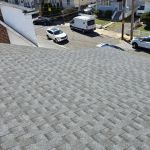 FH Renovation4.0 (184 reviews)
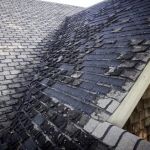 Signs You Need a Roof Replacement: Age, Leaks, Curling Shingles, and More
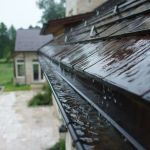 How to Prevent Roof Damage from Overflowing Gutters During Heavy Rain
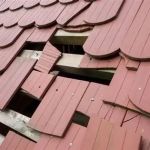 The Difference Between Roof Repair and Roof Restoration: Which Option is Best?
 What is a Roofing Project Closeout Package? Essential Documents You Should Receive
 The Pros and Cons of DIY Roofing vs. Hiring a Professional
 How to Repair a Roof Leak from a Rooftop Equipment Platform