
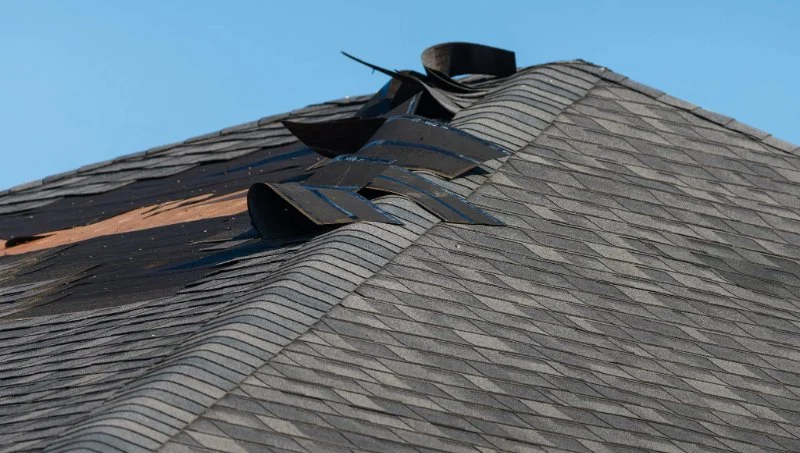
1. Understanding Roof Damage from Wind-Driven Rain
Wind-driven rain can be one of the most damaging weather conditions for roofs, especially in regions prone to heavy storms. Unlike regular rain, wind-driven rain hits the roof at an angle, making it easier for water to penetrate vulnerable areas. This type of rain can cause leaks, rotting, and mold growth, leading to significant damage to your roof and home.
To prevent costly repairs, it's important to understand how wind-driven rain affects your roof and what steps you can take to protect it. In this article, we'll discuss how to identify the risks, implement preventive measures, and maintain your roof to ensure it withstands the harshest weather conditions.

Somers Point Roofing
Somers PointAtlantic CountyNew Jersey
216 W Connecticut Ave #1904, Somers Point, NJ 08244, USA
2. Common Roof Vulnerabilities in Wind-Driven Rain
Several factors make a roof more susceptible to damage from wind-driven rain. These include the age of the roof, the type of roofing material, and the roof's structure. Let’s explore these common vulnerabilities:
Gega Masonry & CONSTRUCTION LLC
WaterburyNaugatuck Valley Planning RegionConnecticut
366 Schraffts Dr G11, Waterbury, CT 06705, USA
2.1 Age of the Roof
Older roofs are more vulnerable to damage from wind-driven rain. Over time, roofing materials can deteriorate, making it easier for water to seep into the roof’s underlayment. If your roof is more than 15-20 years old, it’s essential to inspect it regularly for signs of wear and tear.
2.2 Roofing Material
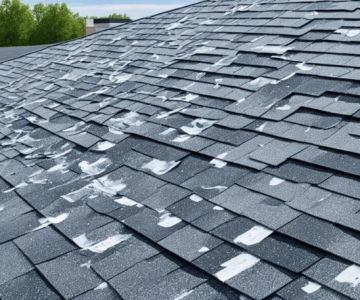
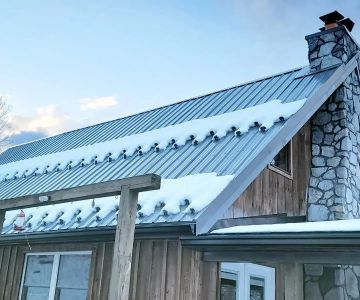
The material used for your roof plays a major role in how it performs during storms. For example, asphalt shingles can lose granules over time, which reduces their ability to shed water. On the other hand, metal roofs, while more durable, may have seams or fasteners that can weaken under prolonged exposure to wind and rain.
2.3 Roof Structure
The structure of your roof, including the pitch and the design, can also affect its vulnerability to wind-driven rain. Roofs with steep pitches are generally better at shedding rain, while low-pitched roofs may trap water, increasing the likelihood of leaks. Roof valleys, chimneys, and vents are also common entry points for water.
3. Steps to Prevent Roof Damage from Wind-Driven Rain
Now that we understand the risks, let’s look at actionable steps you can take to prevent wind-driven rain from damaging your roof:
3.1 Regular Roof Inspections
One of the most important steps in roof maintenance is regular inspections. Inspect your roof at least once a year, preferably before and after the storm season. Look for missing or damaged shingles, rusted flashing, and any signs of wear. Early detection of issues allows you to repair problems before they escalate.
3.2 Upgrade to Impact-Resistant Roofing Materials
If you live in an area prone to strong winds and storms, consider upgrading to impact-resistant roofing materials. These materials are designed to withstand the force of wind-driven rain and prevent water from infiltrating your roof. For example, synthetic shingles, metal roofing, and slate are more durable than traditional asphalt shingles.
3.3 Install Proper Flashing
Flashing is essential for preventing water from entering vulnerable areas around chimneys, vents, and skylights. Ensure that your flashing is installed correctly and in good condition. If you notice rust, cracks, or gaps in the flashing, it’s important to replace or repair it immediately.
3.4 Clean Gutters and Downspouts
Clogged gutters can cause water to back up and seep under the roof, leading to leaks. Regularly cleaning your gutters and downspouts is essential to ensure water flows freely off the roof. This is especially important during the rainy season when leaves, debris, and dirt can accumulate quickly.
3.5 Waterproofing Your Roof
Waterproofing your roof can add an extra layer of protection against wind-driven rain. Many roofing materials can be treated with a water-resistant sealant that helps to keep water from seeping into the roof deck. Applying a high-quality sealant to vulnerable areas such as valleys, roof edges, and vents can significantly reduce the risk of water infiltration.
4. Case Study: Preventing Roof Damage in a Coastal Area
Consider the case of a homeowner in a coastal area, whose roof was frequently exposed to high winds and heavy rains. Over the years, the homeowner noticed that his asphalt shingles were becoming worn down, and leaks started to appear in the attic after storms.
After consulting with a roofing professional, he decided to replace the shingles with impact-resistant metal roofing and re-seal the flashing around his chimney and vents. He also had his gutters cleaned and installed a waterproofing membrane under the new roof. Since these upgrades, the homeowner has not experienced any roof damage during storms, even though the area has been hit by multiple severe weather events.
This case highlights the importance of proactive roof maintenance and upgrading materials to ensure the roof’s durability in the face of wind-driven rain and other severe weather conditions.
5. When to Seek Professional Help
While there are many preventative measures homeowners can take to protect their roofs from wind-driven rain, it’s important to recognize when professional help is needed. If your roof has significant damage, if you are unsure about how to waterproof or repair it, or if you want to upgrade your roofing materials, it’s best to consult with a professional roofing contractor.
Professionals can provide a thorough inspection, offer solutions tailored to your specific needs, and ensure that any repairs or upgrades are done safely and effectively. For recommendations on roofing products and services, visit BeachCo Roofing Hub for expert advice and top-quality solutions.

 Henkel Roofing3.0 (6 reviews)
 Fisher Roof Solutions5.0 (4 reviews)
 Kaller Roofing4.0 (163 reviews)
 Integrity Roof Systems5.0 (1 reviews)
 Reese Roof & Repair4.0 (77 reviews)
 Above All Roofing0.0 (0 reviews)
 Best Roofing Materials for Mid-Century Modern Homes: Top Options for Style and Durability
 The Pros and Cons of DIY Roofing vs. Hiring a Professional
 How to Install a Roof Cricket Behind a Skylight: Step-by-Step Guide
 The Benefits of a Roofing Manufacturer's Approved Installer Program
 How to Install Roof Vents on a House with No Soffits
 How to Install a Roof Underlayment on a Low Slope Roof