
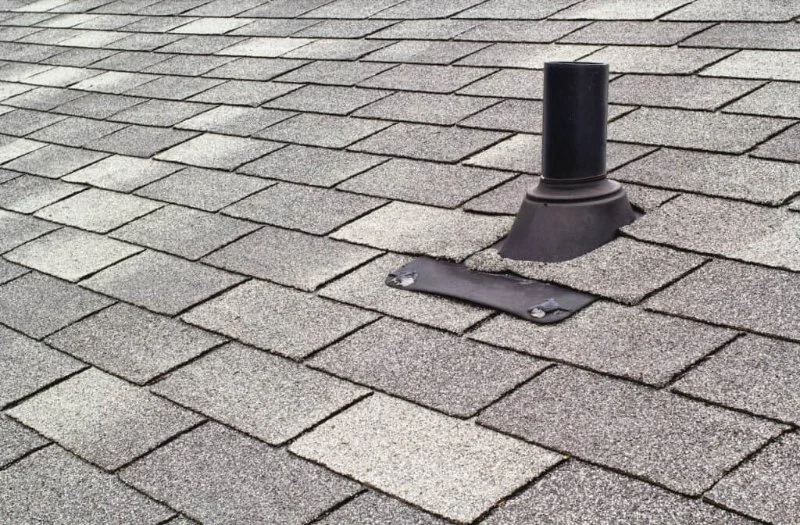
1. Understanding Roof Vents and Their Importance
Roof vents are a crucial element of a well-ventilated home, particularly for attics. They help regulate temperature and moisture levels by allowing air to flow through the attic space. Proper ventilation prevents the buildup of heat and moisture, which can lead to mold, rot, and higher cooling costs. However, what if your home doesn’t have soffits, which are typically used for venting? Can you still install roof vents? The answer is yes! Here’s a guide on how to install roof vents in homes without soffits.
Justin Cohen Contracting
RoyersfordMontgomery CountyPennsylvania
50 Reifsnyder Rd Suite #2, Royersford, PA 19468, USA
2. Choosing the Right Roof Vents for Homes Without Soffits
In homes without soffits, you won’t have the usual entry point for air to enter. Instead, you'll need to consider different types of roof vents that can work without soffits:
- Ridge Vents: These vents run along the peak of the roof, allowing hot air to escape from the attic. They work effectively in homes without soffits, as they do not require intake vents at the eaves.
- Gable Vents: Installed in the gable end of the attic, these vents allow airflow through the attic, facilitating the removal of hot air.
- Static Roof Vents: These are simple, non-mechanical vents that allow air to escape from the attic. They are placed strategically on the roof and work well without soffits.
When selecting the right roof vent, consider your home’s roof design, the size of the attic, and local weather conditions. Ridge vents are often the best option for homes without soffits, as they provide continuous airflow along the roof's peak.
Side by Side Roofing & Siding Contractors
3618 Quentin Rd, Brooklyn, NY 11234, USA
3. Tools and Materials You’ll Need
Before you begin installing roof vents, gather the necessary tools and materials:
- Roof Vent (choose based on your preference)
- Circular Saw or Jigsaw for cutting through the roof
- Measuring Tape to ensure accurate placement
- Roofing Nails for securing the vents
- Caulking Gun and Sealant to prevent leaks
- Roofing Adhesive for additional sealant
- Ladder and Safety Gear (harness, gloves, etc.)
Having these tools on hand will make the installation process much smoother and safer. Be sure to follow all safety protocols when working on your roof.
4. Step-by-Step Guide to Installing Roof Vents
Follow these steps to install roof vents on a house without soffits:
- Measure and Mark: Measure the area where you want to install the vent. Mark the location to ensure it is centered along the ridge or gable of the roof.
- Cutting the Roof: Using a circular saw or jigsaw, carefully cut along the marked area to create an opening for the vent. Be sure to cut slowly and carefully to avoid damaging the roof structure.
- Install the Vent: Place the vent into the opening and secure it with roofing nails. Apply roofing adhesive or caulking around the edges of the vent to seal any gaps and prevent leaks.
- Check for Proper Fit: Ensure that the vent is securely fastened and that there are no visible gaps. The vent should fit snugly into the opening, with no chance for wind or rain to enter the attic space.
- Test the Ventilation: Once installed, check the airflow by entering the attic and feeling for any drafts. Proper ventilation should allow the air to flow freely in and out of the attic space.
After these steps, you’ll have successfully installed a roof vent that enhances the airflow in your attic, even without soffits.
5. Real-Life Example: A Homeowner’s Experience Installing Roof Vents
Let’s take a look at John, a homeowner who struggled with excessive attic heat during the summer. His home lacked soffits, making it impossible to rely on traditional attic ventilation. After researching his options, he decided to install ridge vents on his roof. Following a detailed guide, John gathered his tools, measured the space carefully, and cut the roof to create the opening for the vents. The process took him an afternoon, but the results were well worth it. His attic became noticeably cooler, and he noticed a drop in his energy bills as the cooling system no longer had to work as hard to combat the heat.
John’s experience highlights the effectiveness of ridge vents in homes without soffits. With the right materials and proper installation, you can significantly improve your home’s attic ventilation and overall comfort.


 Alliance Roofing4.0 (8 reviews)
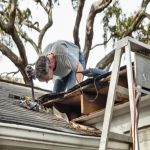 New Look Roofers5.0 (6 reviews)
 Costello Roofing5.0 (51 reviews)
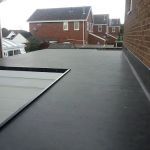 Roof Gurus - Montgomery County0.0 (0 reviews)
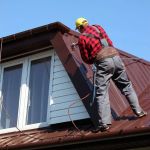 NJ Roofing Franklin Twp0.0 (0 reviews)
 Responsible Remodeling Inc4.0 (60 reviews)
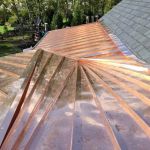 The Cost of a Roof Replacement with a Long-Lasting Copper Standing Seam System
 Roof Snow Load Calculation: How to Know if Your Roof is at Risk
 How to Install a Roof Saddle to Divert Water on a Flat Roof
 Wind Damage to Roofs: How to Identify Lifted Shingles and Damaged Flashing
 The Cost of a New Roof with a Class 4 Impact Rating and Class A Fire Rating: Everything You Need to Know
 Signs You Need a Roof Replacement: Age, Leaks, Curling Shingles, and More