- 1 - Introduction to Nano-Coated Roof Surfaces
- 2 - Pros of Nano-Coated Roofs for Easy Cleaning
- 3 - Cons of Nano-Coated Roofs for Easy Cleaning
- 4 - Best Applications for Nano-Coated Roof Surfaces
- 5 - Installation and Maintenance of Nano-Coated Roofs
- 6 - Final Thoughts on Nano-Coated Roofs for Easy Cleaning
1 - Introduction to Nano-Coated Roof Surfaces
In recent years, the roofing industry has seen significant advancements in technology, and one of the most promising innovations is nano-coating for roofs. Nano-coated roof surfaces offer enhanced durability, improved protection, and notably, easier cleaning. This article explores the pros and cons of nano-coating technology for roof surfaces, focusing on how it can benefit homeowners looking for low-maintenance solutions.
What Is Nano-Coating?
Nano-coating refers to a thin, protective layer applied to the surface of roofing materials using nanotechnology. The coating forms a microscopic layer that repels water, dirt, and other debris, preventing them from sticking to the roof. This results in a cleaner roof with less frequent need for cleaning and maintenance. Nano-coating is especially useful for surfaces exposed to harsh weather conditions, such as heavy rain, snow, or intense sunlight.
2 - Pros of Nano-Coated Roofs for Easy Cleaning
There are several advantages to using nano-coating for your roof, especially when it comes to maintaining a clean and attractive surface. Below are the key benefits:
1. Reduced Need for Frequent Cleaning
One of the most significant benefits of nano-coating is the reduced need for frequent cleaning. The hydrophobic properties of the coating prevent water from pooling or staining the roof, and the smooth surface prevents dirt, leaves, and other debris from sticking. As a result, you can save time and money on cleaning services and maintain the aesthetic appeal of your roof for a longer period of time.
2. Increased Durability
Nano-coatings increase the durability of roofing materials by offering enhanced protection against the elements. They create a barrier that resists wear and tear caused by rain, wind, and UV exposure. The coating prevents moss, mold, and algae growth, which can damage traditional roofing materials over time. This makes nano-coated roofs a smart long-term investment.
3. Improved Water Resistance
The hydrophobic nature of nano-coating makes the roof surface highly water-resistant. This prevents water from penetrating the roofing material, reducing the likelihood of leaks and water damage. Additionally, water runoff is more effective, which helps prevent stains and streaks from forming on the roof.
4. Environmentally Friendly
Since nano-coating reduces the frequency of roof cleaning, it can also help reduce the need for harsh cleaning chemicals. This makes it an environmentally friendly option, as fewer chemical-based cleaning products are needed. Additionally, many nano-coatings are made from non-toxic, sustainable materials, further reducing the environmental impact.
3 - Cons of Nano-Coated Roofs for Easy Cleaning
While nano-coating offers several advantages, there are also some downsides to consider before deciding if it's the right choice for your home. Below are some of the potential drawbacks:
1. Initial Cost
One of the primary disadvantages of nano-coating is the initial cost. Applying a nano-coating to your roof can be more expensive than traditional cleaning and maintenance methods. The price of nano-coating varies depending on the size of your roof and the type of material being coated. While the long-term savings on cleaning and maintenance may offset this initial cost, it’s essential to factor this expense into your decision-making process.
2. Durability of the Coating
While nano-coatings are generally durable, they may wear off over time, especially if the roof is exposed to extreme weather conditions. The coating may need to be reapplied every few years to maintain its effectiveness. This can add to the overall cost of maintaining a nano-coated roof.
3. Limited Effectiveness on Certain Roof Materials
Not all roofing materials are suitable for nano-coating. Some materials may not bond well with the coating, or the coating may not perform as effectively on certain surfaces. It’s essential to consult with a roofing professional to determine if nano-coating is a viable option for your specific roof material.
4. Maintenance of Coated Surfaces
Although nano-coating reduces the need for frequent cleaning, it's important to note that the roof still requires some maintenance. If the coating begins to degrade or accumulate dirt, it may affect its water-repellent properties, which could require reapplication or additional treatment.
4 - Best Applications for Nano-Coated Roof Surfaces
Nano-coated roofs are particularly beneficial in areas that experience extreme weather conditions or where roof cleaning is difficult. Here are some of the best applications for this technology:
1. Homes in Areas with High Rainfall
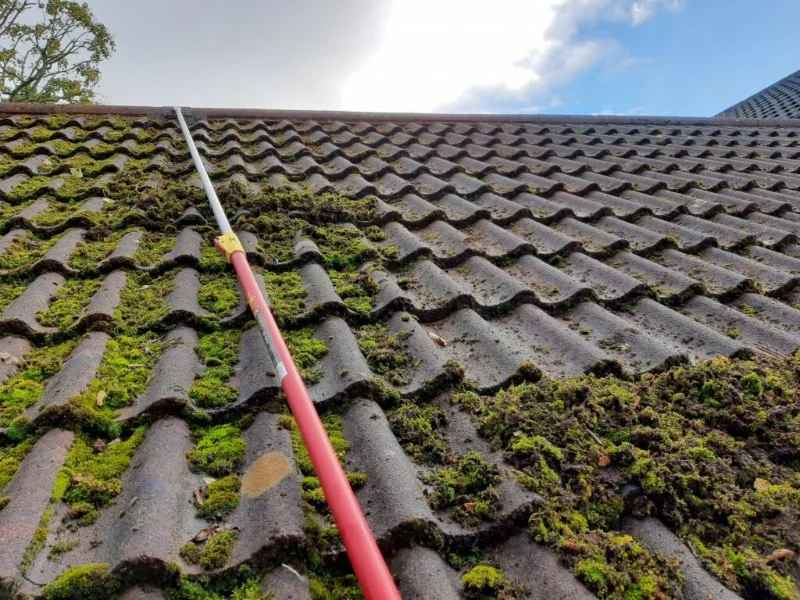
For homes located in areas with frequent rainfall or humid climates, nano-coating helps keep the roof clean and free of moss, algae, and mold, all of which thrive in damp conditions.
2. Homes in Areas with High Sun Exposure
Homes in regions with intense sun exposure benefit from the UV-protective properties of nano-coating. This technology helps prevent the roof from fading, cracking, or becoming brittle due to prolonged exposure to UV rays.
3. Commercial Buildings with Large Roof Areas
Commercial buildings with expansive roofs can greatly benefit from nano-coating, as it reduces the need for frequent cleaning and maintenance on large surface areas, saving time and resources.
5 - Installation and Maintenance of Nano-Coated Roofs
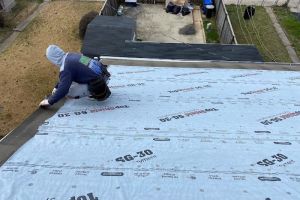
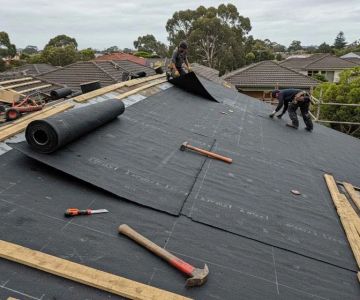
Installing a nano-coated roof involves applying the coating to a clean, dry roof surface. It’s essential to hire a professional who understands the application process and ensures that the coating adheres properly. In terms of maintenance, while nano-coated roofs require less frequent cleaning, periodic inspections should be done to assess the integrity of the coating and determine if reapplication is necessary.
6 - Final Thoughts on Nano-Coated Roofs for Easy Cleaning
Nano-coating technology offers a practical and innovative solution for homeowners looking to reduce roof maintenance and improve the longevity of their roofs. The benefits of easy cleaning, improved durability, and water resistance make it an attractive option for many. However, the initial investment and maintenance requirements should be carefully considered. If you decide to invest in a nano-coated roof, it’s essential to choose a reputable roofing company with experience in applying this technology.
For more information on roofing solutions, visit BeachCo Roofing Hub to explore the best products and services for your roofing needs.

 Global Roofing & Siding5.0 (25 reviews)
 Local Roofing Contractor Pros5.0 (12 reviews)
 Mario Lallier LLC3.0 (5 reviews)
 Four R Contracting LLC5.0 (6 reviews)
 Daniele Construction LLC5.0 (11 reviews)
 Paddy's Roofing, Siding, Chimney's and more!4.0 (217 reviews)
 How to Repair a Roof Leak from a Rooftop Observatory or Dome
 The Pros and Cons of a Fully Adhered Roof Membrane vs. Mechanically Fastened Roof Membrane
 Roofing Project Milestone Payment Schedule: Standard Practices
 How to Choose a Roofing Contractor Active in Industry Associations – A Guide for Homeowners
 The Importance of Roof Ventilation: How It Prevents Mold and Lowers Energy Bills | BeachCo Roofing Hub
 Best Roofing Materials and Costs for 2024 – Complete Guide