
- 1. Introduction: The Importance of Timely Roof Repair
- 2. Factors That Affect Roof Repair Costs
- 3. Average Roof Repair Costs After a Storm
- 4. How to Minimize Roof Repair Costs
- 5. The Role of Insurance in Roof Repairs
- 6. When Should You Repair Your Roof?
1. Introduction: The Importance of Timely Roof Repair
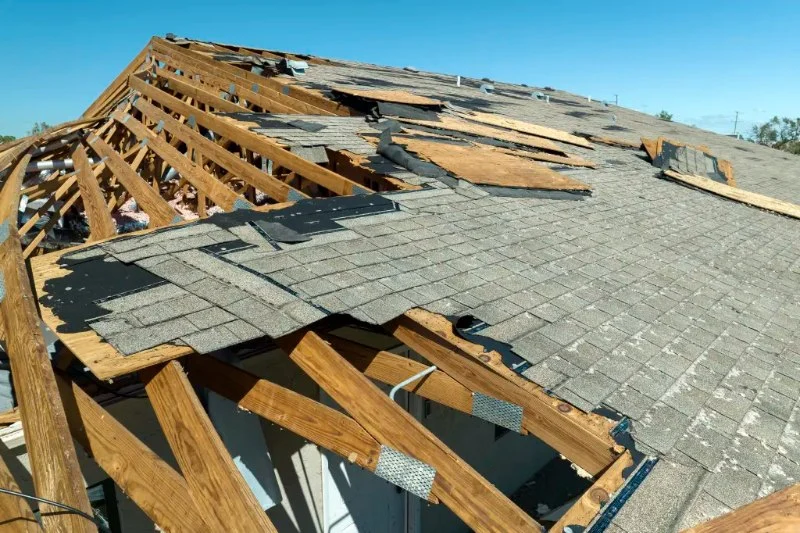
After a hurricane or major storm, roof damage can be severe, and it’s important to address the situation quickly. Ignoring storm damage or delaying roof repairs can lead to even more significant problems down the line. Water leaks, mold growth, and further structural damage can escalate the repair costs.
In this article, we will break down the factors that influence the cost of roof repair, average price estimates, and strategies to minimize your expenses. Understanding these elements can help you make informed decisions when it’s time to fix your roof after a storm.

Crocker Architectural Sheet Metal Co., Inc.
OxfordWorcester CountyMassachusetts
129 Southbridge Rd, Oxford, MA 01537, USA
2. Factors That Affect Roof Repair Costs
The cost of roof repair can vary greatly depending on a number of factors. Each storm brings its own set of challenges, and your roof's damage may depend on its materials, the severity of the storm, and the extent of the damage. Below are the key factors that influence repair costs.
Roof Material: The type of material used for your roof will significantly impact the cost of repairs. For example, asphalt shingles are less expensive to repair than tile or metal roofs. If your roof is made of premium materials, the repair costs will be higher.
Extent of the Damage: If only a few shingles are damaged, the repair may be relatively inexpensive. However, if the roof has been compromised over a large area or if structural repairs are necessary, the costs can increase significantly.
Labor Costs: Labor costs can vary depending on where you live and the complexity of the job. Areas that are prone to frequent storms may have higher demand for roofing services, which could drive up prices.

All In One Home Repairs LLC
MiddletownNew Castle CountyDelaware
200 W Main St, Middletown, DE 19709, USA
3. Average Roof Repair Costs After a Storm
The average cost of repairing a roof after a hurricane or major storm can range widely, from a few hundred dollars to several thousand. On average, homeowners can expect to pay anywhere from $300 to $1,000 for minor repairs, while more extensive damage can cost $2,000 to $5,000 or more.
Minor Repairs: If your roof has suffered from minimal damage such as a few missing shingles or small leaks, you might be looking at a cost of $300 to $1,000.
Major Repairs: For significant roof damage, such as broken or cracked tiles, extensive shingle loss, or structural damage, the cost can rise between $2,000 and $5,000. This could include replacing parts of the roof deck or reinforcing the trusses.
Full Roof Replacement: In cases of severe storm damage, your roof may require complete replacement, which can cost anywhere from $5,000 to $10,000 or more, depending on the size of your roof and materials used.
4. How to Minimize Roof Repair Costs
While roof repairs can be costly, there are ways to minimize the expense without compromising the quality of the job. Here are some tips for reducing costs:
1. Regular Inspections: Preventative maintenance can help identify issues before they turn into major problems. By having your roof inspected regularly, you can catch minor issues early, preventing expensive repairs down the line.
2. Get Multiple Quotes: It's always wise to get several estimates from different roofing contractors to ensure you're getting a fair price. Don’t simply go with the first quote you receive—taking the time to compare will help you find the best value.
3. Insurance Claims: In many cases, insurance can cover part or all of the cost of roof repairs after a storm. Be sure to work with your insurance company to file a claim if your roof has been damaged.
5. The Role of Insurance in Roof Repairs
Your homeowner’s insurance policy may cover the cost of roof repairs, especially after a storm. However, it’s important to understand your coverage and the process for filing a claim.
Review Your Policy: Before calling your insurance company, review your policy to check the coverage limits and exclusions. Some policies may only cover certain types of damage or may require a high deductible.
File a Claim: If your roof damage is covered by insurance, file a claim promptly. It’s often beneficial to have a roofing professional assess the damage before your insurance adjuster arrives, so you can be sure of the extent of the damage.
6. When Should You Repair Your Roof?
Timing is crucial when it comes to roof repairs. Waiting too long can cause further damage, leading to higher costs and more extensive repairs.
After the Storm: If your roof has been affected by a hurricane or major storm, you should have it inspected as soon as possible. Even if there’s no visible damage, minor leaks or shifts in the structure can cause long-term issues if left unaddressed.
Post-Storm Emergency Repairs: In cases of emergency, temporary fixes such as tarping your roof or using a sealant can prevent additional water damage while you wait for professional repairs.
For expert advice and reliable roofing services, visit BeachCo Roofing Hub for the best recommendations on roofing solutions that meet your needs and budget.



 Global Roofing & Siding5.0 (25 reviews)
 Local Roofing Contractor Pros5.0 (12 reviews)
 Mario Lallier LLC3.0 (5 reviews)
 Four R Contracting LLC5.0 (6 reviews)
 Daniele Construction LLC5.0 (11 reviews)
 Paddy's Roofing, Siding, Chimney's and more!4.0 (217 reviews)
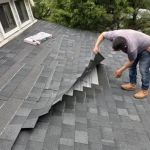 How to Repair a Roof Leak from a Rooftop Observatory or Dome
 The Pros and Cons of a Fully Adhered Roof Membrane vs. Mechanically Fastened Roof Membrane
 Roofing Project Milestone Payment Schedule: Standard Practices
 How to Choose a Roofing Contractor Active in Industry Associations – A Guide for Homeowners
 The Importance of Roof Ventilation: How It Prevents Mold and Lowers Energy Bills | BeachCo Roofing Hub
 Best Roofing Materials and Costs for 2024 – Complete Guide