- The Importance of Roof Color in Multi-Unit Buildings
- Factors to Consider When Choosing Roof Color
- Popular Roof Color Options for Residential Buildings
- Roof Color and Energy Efficiency
- How to Choose the Right Roof Color for Your Building
The Importance of Roof Color in Multi-Unit Buildings
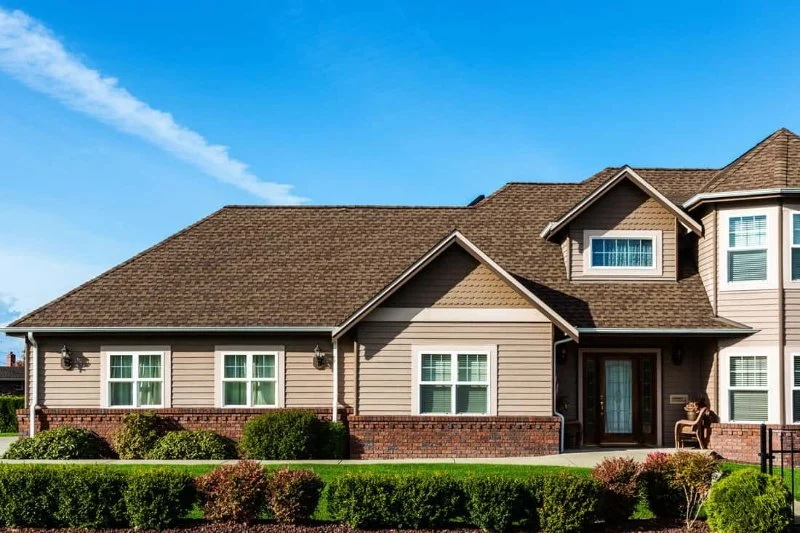
When it comes to designing a multi-unit residential building, the roof color plays a pivotal role in both aesthetics and functionality. The roof is one of the most visible elements of a building and contributes significantly to the overall curb appeal. Whether you're renovating an existing building or constructing a new one, the right roof color can enhance the building's appearance and even increase its market value.
In a multi-unit residential setting, a well-chosen roof color can create a harmonious look that complements the building's exterior design. Additionally, it can set the tone for the rest of the neighborhood and help your property stand out in a positive way.
Factors to Consider When Choosing Roof Color
Selecting a roof color for a multi-unit residential building requires careful consideration of several factors. Here are the main elements you should take into account before making a final decision:
Detailz Carpentry & Roofing LLC
ElversonBerks CountyPennsylvania
98 Hertzler Dr, Elverson, PA 19520, USA
1. Building Style and Exterior Colors
The roof color should complement the overall architectural style of the building and its exterior finishes. For example, if your building has a traditional design with brick walls, you might want to opt for a more classic roof color, like charcoal gray or dark brown, to create a balanced look. On the other hand, modern buildings with sleek, minimalist designs may look best with lighter roof shades or bold accent colors.
2. Neighborhood and Community Guidelines
In some neighborhoods, particularly in planned communities or historical districts, there may be guidelines or restrictions regarding roof colors. It’s important to check with your local zoning board or homeowner association to ensure that your choice aligns with community standards. This can prevent any legal issues down the line and ensure your building’s aesthetics match the surrounding properties.
3. Climate and Weather Considerations
The climate where your building is located should also play a role in your roof color decision. Darker roof colors absorb more heat, making them ideal for colder climates as they can help maintain warmth. In warmer climates, lighter roof colors reflect heat, keeping the building cooler and reducing air conditioning costs. It's also important to consider the local weather conditions such as rainfall, which could affect the longevity of certain materials and colors.
Popular Roof Color Options for Residential Buildings
The right roof color can transform the appearance of a multi-unit residential building. Here are some popular roof color options that are commonly chosen for residential properties:
1. Gray and Charcoal
Gray and charcoal are timeless, neutral colors that work well with almost any building style. These shades are perfect for creating a modern or classic look and are highly versatile. Charcoal gray roofs are especially popular for their ability to hide dirt and weathering.
2. Brown and Earthy Tones
Brown and earthy tones are ideal for buildings with rustic or traditional architecture. These colors blend seamlessly with natural surroundings, especially in areas with lots of trees or outdoor space. Light brown or tan can create a warm, inviting feel, while darker browns offer a more grounded, sophisticated look.
3. Black
A black roof is bold and elegant. It is often used on modern or luxury buildings to make a statement. Black roofs can also add contrast and drama to lighter-colored exteriors. However, because black absorbs heat, it’s important to consider your climate before opting for this color.
4. Green and Blue
For those looking for a unique, eye-catching option, green and blue roofs are an excellent choice. These colors can add character and personality to the building, particularly in coastal or forested areas. However, they may require more careful consideration to ensure they complement the rest of the exterior.
Roof Color and Energy Efficiency
Roof color can significantly impact your building’s energy efficiency. Darker colors absorb heat, which can be beneficial in colder climates by helping to keep the building warmer. However, in hot climates, darker roofs may increase cooling costs by absorbing too much heat.
Lighter-colored roofs, on the other hand, reflect heat, making them an excellent choice for energy-conscious building owners in warmer regions. Opting for a lighter roof color can reduce the amount of heat entering the building, ultimately lowering cooling costs and improving energy efficiency.
How to Choose the Right Roof Color for Your Building
Choosing the right roof color for your multi-unit residential building involves considering all the factors discussed above. Here’s a step-by-step approach to making the right decision:
1. Assess the Building’s Architectural Style
Start by examining the building's design. Does it lean towards traditional, contemporary, or modern? The roof color should complement the overall aesthetic.
2. Consider the Climate
Choose a color that suits the local climate. If you’re in a hot region, lighter shades can improve energy efficiency; if you’re in a cold area, darker colors may help with insulation.
3. Check Local Guidelines
Always check for any restrictions or guidelines in your area. Adhering to community standards is essential in maintaining harmony with your surroundings.
For those in need of roofing materials and professional roofing services, visit [BeachCo Roofing Hub] for expert advice and quality products tailored to your building’s needs. Whether you're looking for shingles, metal roofing, or a consultation on energy-efficient solutions, we provide everything you need to make an informed decision.
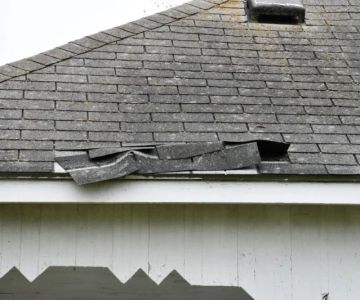
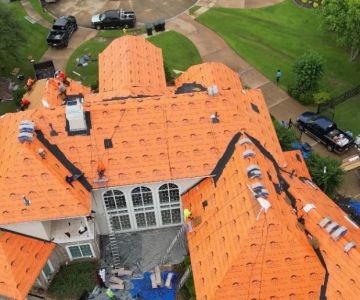
 Bloomfield Roofing Repair & Installation5.0 (10 reviews)
 Vinnys Roofing & Home Improvement0.0 (0 reviews)
 McClintock Roofing4.0 (68 reviews)
 JZ Roofing LLC5.0 (28 reviews)
 ROOFACTORY LLC5.0 (1 reviews)
 Javiby Home Improvement LLC,,🏘🧱💒5.0 (3 reviews)
 Cedar Shake Roof Maintenance: Cleaning, Treating, and Repairing Wood Shakes
 What is a Roofing Material Sample and Should You Request One?
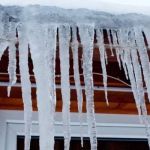 How to Maintain Roof Valleys and Downspouts to Prevent Ice Dams
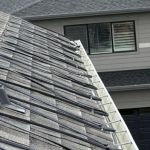 How to Install Roof Heat Tape to Prevent Ice Dams
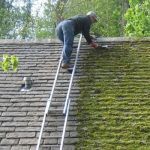 The Cost of Roof Moss Removal and Prevention Treatments: A Complete Guide
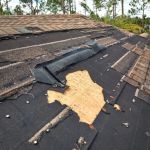 How to Prevent Roof Damage from Lack of Maintenance and Save Money