1- Understanding Wind Damage to Roofs
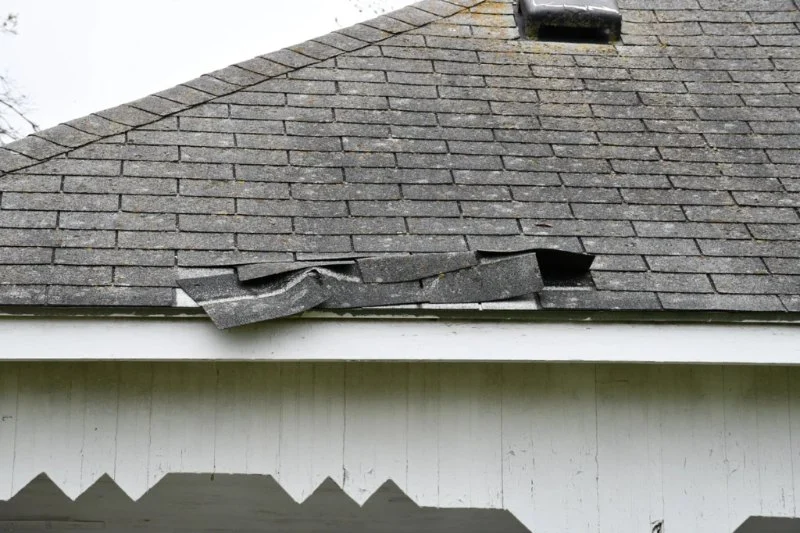
Strong winds, especially those brought by storms, hurricanes, or tornadoes, can cause significant damage to your roof. Wind damage is often hidden, making it difficult to assess without a proper inspection. The force of the wind can lift shingles, tear off parts of the roof, or damage the flashing, leading to leaks and further structural damage if not addressed quickly.
Understanding how wind affects roofs can help you recognize potential damage early. A well-maintained roof is essential for protecting your home from the elements, but even the most durable roofs are vulnerable to extreme weather conditions. In this article, we will cover how to identify lifted shingles and damaged flashing, two common types of wind damage that can compromise the integrity of your roof.

French Roof Executive Building
NorristownMontgomery CountyPennsylvania
20 W Main St, Norristown, PA 19401, USA
2- Common Signs of Lifted Shingles
Shingles are one of the most common roofing materials, and they can be particularly vulnerable to wind damage. When wind speeds exceed a certain threshold, they can lift shingles, causing them to become loose or detached entirely. Here are some key signs that you may have lifted shingles:
2.1- Curled or Buckled Shingles
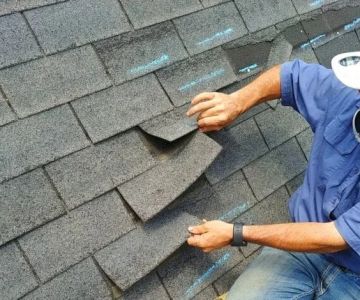
If you notice that some of your shingles appear to be curling up at the edges or buckling, this could be a sign that they’ve been lifted by strong winds. The wind can cause the shingles to lift and then curl as they lose their grip on the roof. This can lead to leaks and water infiltration if not repaired.
2.2- Missing or Displaced Shingles
During a storm, wind can tear shingles off the roof entirely, leaving your home exposed to the elements. Missing shingles are one of the most obvious signs of wind damage. If you notice a significant gap in your roof where shingles once were, it’s important to act quickly to prevent further damage.
2.3- Shingle Granule Loss
Shingles are coated with granules that help protect the roof from UV rays and water damage. If strong winds have lifted your shingles, you may notice an increase in granule loss in the gutters or on the ground around your home. This can make your shingles less effective at protecting your roof, leading to more significant damage over time.
3- How to Identify Damaged Flashing
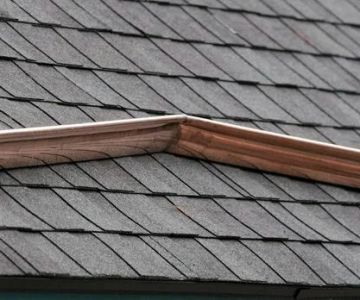
Flashing is the material installed around roof edges, chimneys, vents, and other protrusions to prevent water from entering the home. Wind damage can compromise the flashing, causing it to bend, crack, or detach. Here’s how to identify damaged flashing:
3.1- Visible Gaps or Cracks in Flashing
Examine the flashing around chimneys, vents, and roof valleys. If you notice any visible cracks, gaps, or areas where the flashing has become detached from the roof, this could be a sign of wind damage. These gaps can allow water to seep into the roof and into your home, leading to leaks.
3.2- Bent or Lifted Flashing
Strong winds can bend or lift flashing, especially around areas like chimneys or skylights. Bent or lifted flashing can cause water to accumulate and seep into your home. Look for any areas where the flashing appears misaligned or warped.
3.3- Rust or Corrosion
Over time, flashing made from metal materials like aluminum or galvanized steel can rust, particularly if the protective coating is compromised by wind or debris. If you notice rust or corrosion on your flashing, it’s important to inspect the surrounding areas for leaks or water damage.
4- Why Timely Roof Inspections Are Crucial
After a major storm or high winds, it’s essential to inspect your roof for damage. Timely inspections can help you identify issues like lifted shingles or damaged flashing before they lead to more severe problems, such as leaks or mold growth inside your home.
Regular roof inspections, especially after inclement weather, can extend the lifespan of your roof and save you money on costly repairs. By catching problems early, you can prevent small issues from turning into large-scale repairs that require significant time and expense.
4.1- Professional Roof Inspections
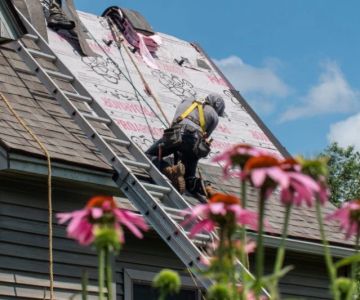
While you can perform a visual inspection of your roof, it’s often beneficial to hire a professional roofing contractor for a more thorough inspection. A professional will know what to look for and can identify hidden damage that may not be visible from the ground.
4.2- Safety Considerations
Roof inspections can be dangerous, especially after a storm when the roof may be slippery or unstable. It’s always best to leave roof inspections to professionals who have the proper safety equipment and experience to perform the job safely.
5- How to Repair Wind Damage to Your Roof
If you’ve identified wind damage to your roof, it’s important to take action quickly to prevent further damage. Here’s how you can repair common wind damage issues:
5.1- Replacing Lifted or Missing Shingles
If you’ve noticed missing or lifted shingles, the first step is to replace them with new ones. You’ll need to carefully lift the surrounding shingles, remove the damaged ones, and then install the new shingles with roofing nails. Make sure to apply roofing adhesive to prevent future lifting.
5.2- Repairing Damaged Flashing
Damaged flashing can be repaired by removing the old flashing and replacing it with new material. Ensure that the new flashing is properly sealed around the edges to prevent water from getting underneath. If you’re unsure about how to install flashing, it’s best to consult with a professional roofer.
5.3- Temporary Fixes for Emergency Situations
If you’re unable to repair the damage immediately, use a tarp or plastic sheeting to cover the exposed areas of the roof temporarily. This will help protect your home from water damage until you can make permanent repairs.
If you need professional help with repairing wind damage to your roof or want to purchase roofing materials for DIY repairs, check out BeachCo Roofing Hub, where you’ll find a variety of roofing solutions and expert advice.


 Chaffee Industrial Roofing0.0 (0 reviews)
 Best American Roofing LLC5.0 (8 reviews)
 Nolan's Home Improvement LLC5.0 (17 reviews)
 White's Roofing, Siding and General Contracting LLC4.0 (67 reviews)
 CentiMark Corporation1.0 (6 reviews)
 A1 Experts Roofing & Chimney5.0 (12 reviews)
 How to Install Roof Heat Cable on an EPDM Rubber Roof
 What is TPO Roofing? Benefits and Costs for Commercial and Residential Use
 How to Handle Roof Damage Caused by Fallen Tree Branches
 How to Repair a Roof Leak in a Building with a Recycled Material Roof
 Understanding Roofing Nail Guns: How to Use Them Safely and Effectively
 What is a Roofing System Health Report? A Proactive Assessment Tool