
Understanding Roof Leaks from Pedestrian Bridge Connections
Roof leaks from pedestrian bridge connections are a common issue in buildings that feature rooftop pedestrian bridges or walkways. These bridges are often exposed to the elements, and their connections with the main building roof can create weak points where water can seep in. Whether it's due to improper sealing, weather damage, or regular wear and tear, understanding the causes and how to address them is essential for maintaining the integrity of the roof.
Rooftop pedestrian bridges are designed to provide a safe and convenient way to cross from one building to another. However, these connections often require careful maintenance to prevent water from entering the roof structure. This article will guide you through the process of repairing leaks from these areas, ensuring your roof remains in good condition and free from water damage.

Common Causes of Roof Leaks in Pedestrian Bridge Connections
Several factors can contribute to roof leaks at the connection points of pedestrian bridges. Understanding these causes can help you identify the source of the problem more quickly and ensure effective repairs. Some common causes include:
- Improper Sealing: The connection between the bridge and the roof may not have been sealed properly, allowing water to infiltrate the structure.
- Wear and Tear: Over time, the materials around the connection point may degrade due to exposure to the sun, rain, and other elements, leading to gaps and cracks where water can enter.
- Clogged Drainage Systems: Pedestrian bridges typically have drainage systems designed to divert water away from the roof. If these systems become clogged with debris, water can pool at the connection points, causing leaks.
- Temperature Fluctuations: Extreme temperature changes can cause materials to expand and contract, potentially causing gaps and weakening the roof's waterproofing capabilities.
How to Diagnose and Locate the Roof Leak
Before repairing a roof leak, it’s crucial to properly diagnose and locate the exact source of the leak. Here are a few steps to help you pinpoint the issue:
- Inspect the Roof Around the Pedestrian Bridge Connection: Look for visible signs of damage such as cracks, gaps, or worn-out flashing where the bridge meets the roof.
- Check for Water Stains: Inside the building, look for water stains on ceilings or walls near the pedestrian bridge connection. These can indicate the location of the leak.
- Examine the Drainage System: Check the drainage system near the bridge connection to ensure it's clear of debris. A blocked drain can cause water to pool and seep into the roof.
- Perform a Water Test: If the leak’s location is still unclear, use a hose to spray water on different sections of the bridge connection, starting from the lowest point and moving upwards. Have someone inside the building monitor for signs of water entry.
Materials Needed for Roof Leak Repair
To effectively repair a roof leak from a pedestrian bridge connection, you’ll need the following materials:
- Roof Sealant: A high-quality, waterproof roof sealant is essential for sealing cracks and gaps.
- Roofing Membrane: If the damage is more extensive, you may need a roofing membrane to provide additional waterproofing.
- Roofing Flashing: Flashing materials are essential for ensuring proper water diversion around the connection points.
- Tools: A caulking gun, utility knife, ladder, and safety gear are necessary for the repair process.
Step-by-Step Guide to Repairing Roof Leaks
Follow these steps to repair a roof leak from a rooftop pedestrian bridge connection:
- Prepare the Area: Ensure the area around the pedestrian bridge connection is safe to work on. Use a ladder to access the roof and wear safety gear.
- Clean the Affected Area: Clean the area around the leak to remove debris, dirt, and any old sealant that may have degraded over time.
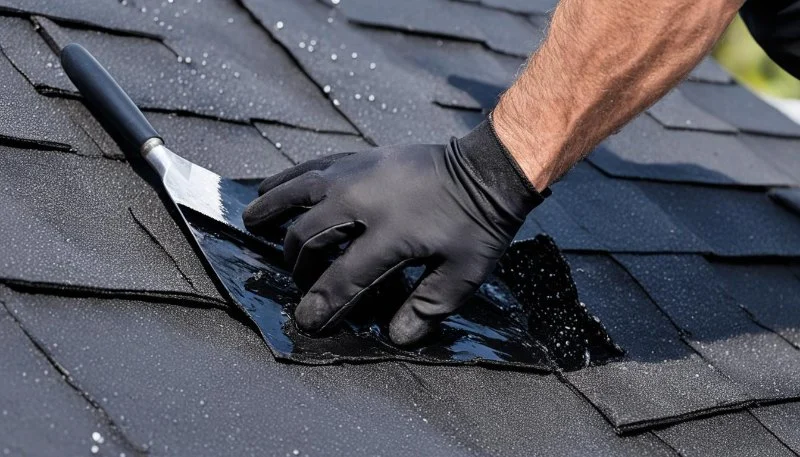
- Apply Roof Sealant: For small cracks and gaps, apply a generous amount of roof sealant using a caulking gun. Be sure to cover the entire affected area.
- Install Flashing: If the leak is at a junction or around a penetration, install new flashing to divert water away from the connection point.
- Reinstall Roofing Membrane: If necessary, install a new roofing membrane over the area to ensure complete waterproofing.
- Test the Repair: Once the sealant has dried, perform a water test to ensure the leak has been completely sealed. If the leak persists, reassess the area and apply additional materials as needed.
Long-Term Solutions to Prevent Roof Leaks
To prevent future roof leaks from pedestrian bridge connections, consider the following long-term solutions:
- Regular Inspections: Schedule regular roof inspections to identify any early signs of wear or damage.
- Maintain Drainage Systems: Keep drainage systems clear of debris and ensure they are functioning properly to prevent water pooling.
- Reinforce Roof Seals: Periodically inspect and reapply roof sealant and flashing materials to maintain a waterproof barrier.
Why You Should Choose BeachCo Roofing Hub for Your Roof Repair Needs
If you need help repairing a roof leak from a rooftop pedestrian bridge connection, BeachCo Roofing Hub is here to assist you. We offer high-quality roofing materials, expert advice, and professional roofing services to ensure your roof remains safe, dry, and durable for years to come. Visit our website to explore our products and services for all your roof repair needs.


 A & S Roofing & Solar0.0 (0 reviews)
 L-Pro Restoration Inc.4.0 (92 reviews)
 Mass Roofing & Construction Co0.0 (0 reviews)
 Maryland Building Corporation4.0 (28 reviews)
 Splendor Roof Repair and Installation5.0 (436 reviews)
 Right Service Roof Repair and Replacement5.0 (63 reviews)
 How to Install a Roof Access Hatch for Easy Attic Entry – Step-by-Step Guide
 What is a Roofing Square? How to Convert Measurements for Your Project
 How to Prevent Roof Damage from Improper Foot Traffic
 What is TPO Roofing? Benefits and Costs for Commercial and Residential Use
 How to Choose a Roofing Contractor Active in Industry Associations – A Guide for Homeowners
 Roofing Project Milestone Payment Schedule: Standard Practices