The Best Roofing Materials for a Mountain Cabin with Heavy Snow
- 1. Why Roofing Matters for Mountain Cabins
- 2. Key Factors to Consider for Snowy Regions
- 3. Top Roofing Materials for Mountain Cabins in Snowy Areas
- 4. Maintaining Your Roof in Heavy Snow
- 5. Find the Best Roofing Materials at BeachCo Roofing Hub
1. Why Roofing Matters for Mountain Cabins
When building or renovating a mountain cabin, one of the most important decisions you’ll make is choosing the right roofing material. In areas with heavy snow, the roof plays a crucial role in protecting your home from the elements. A poorly chosen roof can lead to costly repairs, water damage, and even structural failure. In contrast, a roof that is designed to withstand heavy snow ensures that your cabin remains safe, warm, and dry throughout the winter months.

1.1 The Impact of Snow on Your Roof
Heavy snowfall can place significant strain on a roof. Snow can accumulate quickly, increasing the weight on the roof and potentially leading to collapse if the structure is not designed to handle it. Additionally, snow and ice can cause leaks, as melting snow can seep through damaged shingles or other roofing materials. Choosing the right roofing materials is essential for preventing these issues and ensuring the longevity of your cabin.
2. Key Factors to Consider for Snowy Regions
When selecting roofing materials for a mountain cabin in a snowy area, several factors should be considered to ensure that your roof can handle the harsh winter conditions:
2.1 Snow Load Capacity
Snow load capacity refers to the weight that a roof can support without collapsing. In snowy regions, it’s important to choose a roof with a high snow load capacity to handle the weight of accumulated snow. This is particularly important for cabins in areas with heavy, wet snow that can quickly build up on the roof.
2.2 Durability and Weather Resistance
Snow and ice are not the only challenges that your roof will face. Wind, freezing temperatures, and exposure to UV rays can also affect the longevity of roofing materials. Choose materials that are durable and resistant to these elements to ensure that your roof remains intact for many years to come.
2.3 Ease of Snow Shedding
Roof materials that allow snow to easily slide off are a great option for areas with heavy snowfall. A roof with a steep pitch or smooth surface can help prevent snow from accumulating, reducing the risk of damage or leaks. Materials that promote snow shedding are ideal for mountain cabins.
3. Top Roofing Materials for Mountain Cabins in Snowy Areas
Several roofing materials are particularly well-suited for mountain cabins in snowy regions. These materials are designed to withstand heavy snow loads and provide long-lasting protection from the elements:
3.1 Metal Roofing
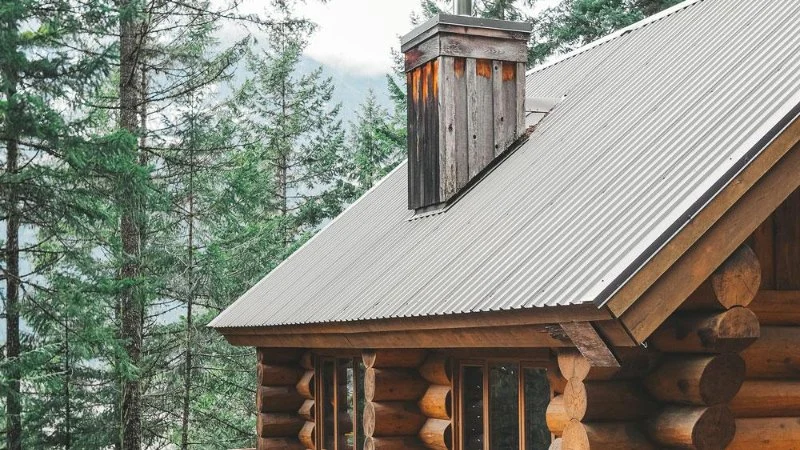
Metal roofing is one of the best options for mountain cabins in areas with heavy snow. Metal roofs are highly durable and resistant to snow accumulation, as the smooth surface allows snow to slide off easily. Additionally, metal roofing is fire-resistant, long-lasting, and energy-efficient, making it an excellent choice for cabins that need to withstand extreme weather conditions.
3.2 Asphalt Shingles
Asphalt shingles are a popular roofing material for many types of homes, including mountain cabins. They are relatively affordable, widely available, and easy to install. However, in snowy regions, it’s important to choose a high-quality asphalt shingle that is designed to handle snow and ice. Look for shingles with a high weight capacity and good water resistance to prevent leaks.
3.3 Slate Roofing
Slate roofing is one of the most durable and long-lasting roofing materials available. It is ideal for mountain cabins in snowy regions because of its ability to withstand heavy snow loads without cracking or warping. Slate is also fire-resistant and resistant to moisture, making it an excellent option for cabins in wet, snowy climates. However, slate is heavy and expensive, so it may not be the most practical choice for every homeowner.
3.4 Synthetic Roofing Materials
Synthetic roofing materials, such as rubber or polymer-based shingles, offer many of the benefits of traditional roofing materials but with added durability and flexibility. These materials are lightweight, weather-resistant, and can be designed to resemble more traditional options like wood or slate. They are a great choice for those who want a low-maintenance, snow-resistant roof that’s also eco-friendly.
4. Maintaining Your Roof in Heavy Snow
Maintaining your roof is crucial in snowy regions to ensure its longevity and performance. Here are a few tips for keeping your roof in top shape:
4.1 Regular Inspections
Conduct regular roof inspections to check for signs of damage or wear. Look for loose shingles, cracks, or ice dams that could cause leaks. Early detection of problems can prevent costly repairs down the line.
4.2 Snow Removal
If you live in an area with heavy snow, consider removing snow from your roof regularly to prevent buildup. Snow removal tools or hiring a professional can help reduce the risk of damage from heavy snow loads.
4.3 Gutter Maintenance
Clogged gutters can cause water to back up into your roof, leading to leaks. Make sure your gutters are clear of debris, especially before the winter months, to ensure that snowmelt can drain properly.
5. Find the Best Roofing Materials at BeachCo Roofing Hub
If you’re looking for the best roofing materials for your mountain cabin, visit BeachCo Roofing Hub. We offer a wide selection of durable, snow-resistant roofing options, including metal roofs, asphalt shingles, and synthetic materials, all designed to withstand harsh winter conditions. Browse our collection to find the perfect materials for your cabin and ensure it stays protected through every snowstorm.

 J & J Home Improvements3.0 (7 reviews)
 Coldsmith Roof & Home Impvmnt5.0 (6 reviews)
 Peter Desalvo Contracting, LLC4.0 (125 reviews)
 Hernandez & Sons Roofing4.0 (48 reviews)
 DMV Roofing Services, LLC5.0 (21 reviews)
 Winchester Roofing5.0 (52 reviews)
 What is a Roofing Project Completion Certificate? For Insurance and Records
 The Pros and Cons of a Cold-Applied Roof Membrane System | BeachCo Roofing Hub
 How to Install Roof Snow Fences to Control Drifting – A Step-by-Step Guide
 The Lifespan of a Roof in an Area with Frequent Temperature Swings | BeachCo Roofing Hub
 How to Install a Roof Access Hatch for Easy Attic Entry
 How to Handle Roof Damage Caused by Fallen Tree Branches