1. Why Roof Vents are Important for Manufactured Homes
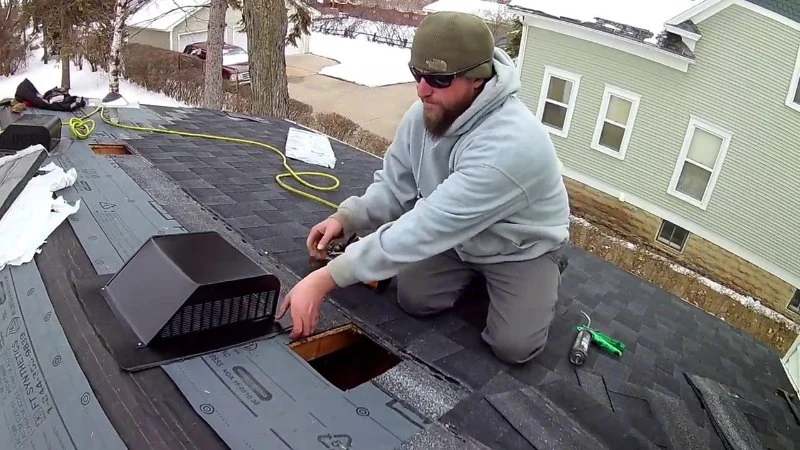
Proper ventilation is essential for the health and longevity of your manufactured home. Roof vents play a critical role in promoting airflow, reducing heat buildup, and preventing moisture from accumulating. This helps maintain a comfortable indoor environment, prevents mold growth, and extends the life of your roof. Roof vents allow hot air and moisture to escape, especially during summer months, when your home is exposed to intense heat.
2. Tools and Materials Needed for Installation
Before you begin installing roof vents on your manufactured home, it's important to gather the necessary tools and materials:
- Roof Vents: Choose roof vents designed specifically for manufactured homes, as these will provide the best fit and performance.
- Drill: You'll need a power drill to make holes for the vents.
- Screwdriver: A screwdriver will be needed to secure the vent in place.
- Measuring Tape: Accurate measurements ensure the vents are installed in the right location.
- Sealant: To ensure a weatherproof installation, you'll need roofing sealant.
- Safety Gear: Always wear safety glasses, gloves, and a helmet when working on the roof.
3. Step-by-Step Guide to Installing Roof Vents
Now that you have your tools ready, follow these steps to install roof vents on your manufactured home:
- Step 1: Choose the Right Location – The ideal placement for roof vents is near the highest points of the roof to allow hot air to escape effectively. Mark the spots where you plan to install the vents using a pencil.
- Step 2: Measure and Cut the Hole – Using a measuring tape, carefully measure the size of the vent opening. Use a saw or a jigsaw to cut the hole where the vent will be installed. Make sure to cut the hole slightly smaller than the vent base to ensure a snug fit.
- Step 3: Install the Vent – Apply a layer of roofing sealant around the hole you just cut to ensure a weatherproof seal. Place the vent over the hole and secure it using screws. Tighten the screws securely without over-tightening them to avoid damage.
- Step 4: Seal the Edges – After securing the vent, apply more roofing sealant around the edges of the vent to prevent any air or water leaks. Use a putty knife to smooth the sealant evenly around the vent base.
- Step 5: Test the Vent – Once installed, test the vent by checking for airflow. You should feel air coming out when standing near the vent, indicating it's functioning properly.
4. Common Mistakes to Avoid When Installing Roof Vents
When installing roof vents on your manufactured home, it's easy to make mistakes that can affect the effectiveness of the installation. Here are some common errors to avoid:
- Improper Vent Placement: Ensure vents are placed at the highest points of the roof. Installing them too low can reduce their effectiveness in promoting airflow.
- Neglecting to Seal the Edges: Failing to properly seal the edges of the vents can lead to leaks and water damage.
- Not Using the Right Vent: Not all vents are suitable for manufactured homes. Make sure to choose a vent specifically designed for your roof type.
- Overtightening Screws: When securing the vent, avoid overtightening the screws, as this can damage the vent or cause leaks.
5. Maintenance Tips for Roof Vents
Once your roof vents are installed, regular maintenance is important to ensure they continue to work efficiently. Here are some maintenance tips:
- Inspect Regularly: Check your roof vents for any debris, damage, or blockages. Clear away leaves, twigs, and other obstructions that might block airflow.
- Clean the Vents: Occasionally clean the vents to prevent buildup of dirt and dust. Use a vacuum cleaner or a soft brush to clean the vent openings.
- Check for Leaks: After heavy rain or storms, inspect the vent installation to ensure there are no leaks. Reapply sealant if necessary.
- Replace Damaged Vents: If you notice any damage to the vents, such as cracks or rust, replace them promptly to maintain proper ventilation.


 J & J Home Improvements3.0 (7 reviews)
 Coldsmith Roof & Home Impvmnt5.0 (6 reviews)
 Peter Desalvo Contracting, LLC4.0 (125 reviews)
 Hernandez & Sons Roofing4.0 (48 reviews)
 DMV Roofing Services, LLC5.0 (21 reviews)
 Winchester Roofing5.0 (52 reviews)
 What is a Roofing Project Completion Certificate? For Insurance and Records
 The Pros and Cons of a Cold-Applied Roof Membrane System | BeachCo Roofing Hub
 How to Install Roof Snow Fences to Control Drifting – A Step-by-Step Guide
 The Lifespan of a Roof in an Area with Frequent Temperature Swings | BeachCo Roofing Hub
 How to Install a Roof Access Hatch for Easy Attic Entry
 How to Handle Roof Damage Caused by Fallen Tree Branches