
- 1. Choosing the Right Roof Vents for Vaulted Ceilings
- 2. Step-by-Step Installation Guide
- 3. Common Challenges and How to Overcome Them
- 4. The Benefits of Proper Roof Ventilation
1. Choosing the Right Roof Vents for Vaulted Ceilings
Installing roof vents on a house with a vaulted ceiling and no attic can be a bit more complicated than a traditional roof with attic space. However, with the right choice of vents, homeowners can still achieve excellent ventilation. The most common types of vents for such roofs are ridge vents and soffit vents. These are the ideal options for vaulted ceilings because they can be installed along the roofline to allow air to flow freely without the need for an attic space.
Ridge vents are typically installed along the peak of the roof, allowing hot air to escape, while soffit vents are placed along the eaves to bring in fresh air. Together, they create a continuous airflow that is crucial for preventing moisture buildup and maintaining temperature control in the house.

2. Step-by-Step Installation Guide
Installing roof vents on a vaulted ceiling without an attic requires careful planning and the right tools. Follow these steps to ensure a successful installation:
- Step 1: Measure and Plan - Before you begin, measure the length of your roofline and determine the number of vents required. A ridge vent typically spans the entire length of the ridge, and soffit vents should be spaced approximately 18 to 24 inches apart along the eaves.
- Step 2: Choose Your Vent Types - As mentioned, ridge and soffit vents are the best options. Make sure the vents are designed for use on vaulted ceilings, as some models may require a small gap between the ceiling and the roof decking for proper airflow.
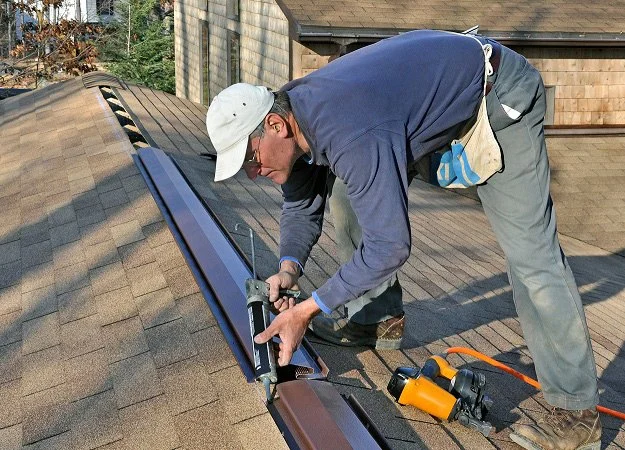
- Step 3: Install the Ridge Vent - Start by removing a small section of roofing material along the ridge. Secure the ridge vent according to the manufacturer’s instructions, ensuring that it is sealed tightly to prevent leaks.
- Step 4: Install the Soffit Vents - Next, cut holes into the soffit of your house to accommodate the soffit vents. Secure the vents in place, making sure they align with the ridge vent for maximum airflow.
- Step 5: Seal the Vents - Once both sets of vents are installed, ensure that all gaps around the vent edges are sealed with roofing tape to prevent water from entering the house. Check the vent openings to ensure they are clear of any debris that could obstruct airflow.
3. Common Challenges and How to Overcome Them
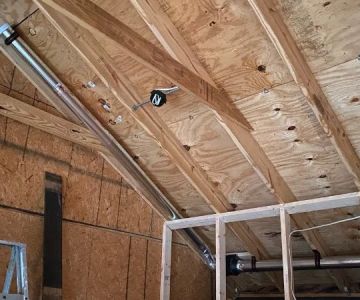
Installing roof vents on a vaulted ceiling with no attic can present a few unique challenges. One common issue is working with limited space between the ceiling and the roof decking. This can make it difficult to install soffit vents and ensure proper airflow. To solve this, consider using specialized vents designed for shallow spaces or using a combination of vents that require minimal space.
Another challenge is ensuring that the vents are properly sealed. If water or moisture enters through the vents, it could lead to damage in the long run. Be diligent during the installation process and use high-quality sealant and weatherproofing materials to ensure a tight seal around the vents.
4. The Benefits of Proper Roof Ventilation
Proper ventilation in a roof with a vaulted ceiling is essential for several reasons:
- Temperature Control: Good ventilation helps regulate indoor temperatures by allowing hot air to escape and cool air to enter, making your home more energy-efficient.
- Prevents Moisture Damage: Moisture buildup can lead to mold and mildew growth, especially in vaulted ceilings where air circulation is limited. Roof vents help to prevent this by promoting airflow and reducing condensation.
- Increases Roof Lifespan: By maintaining consistent temperatures and moisture levels, roof ventilation reduces the likelihood of roof damage, extending its lifespan and reducing maintenance costs.
Investing in proper roof ventilation will not only improve your home’s comfort but also help prevent costly repairs in the future. For the best products and services to assist with your roof ventilation needs, visit BeachCo Roofing Hub, where we offer a wide range of roofing products designed for vaulted ceilings and homes without attics.
 Ridge Roofing, Inc.3.0 (2 reviews)
 Happy Top Baldwin Roofing Solutions5.0 (1 reviews)
 Aslam & Sons General Construction Inc.4.0 (54 reviews)
 Water Tight Roofing Corp.0.0 (0 reviews)
 American Choice Exteriors4.0 (79 reviews)
 Park Roofing & Sheet Metal Co4.0 (5 reviews)
 Best Roofing Materials and Costs for 2024 – Complete Guide
 How to Repair a Roof Leak from a Rooftop Patio or Seating Area - Step-by-Step Guide
 What is a Roofing Retainer Fee or Deposit? Is it Normal in Roofing Contracts?
 How to Repair a Roof Leak in a Building with a Living Green Roof
 DIY Roof Inspection Checklist: How to Safely Assess Your Roof's Condition
 How to Choose a Roofing Contractor That is Certified by Major Manufacturers