
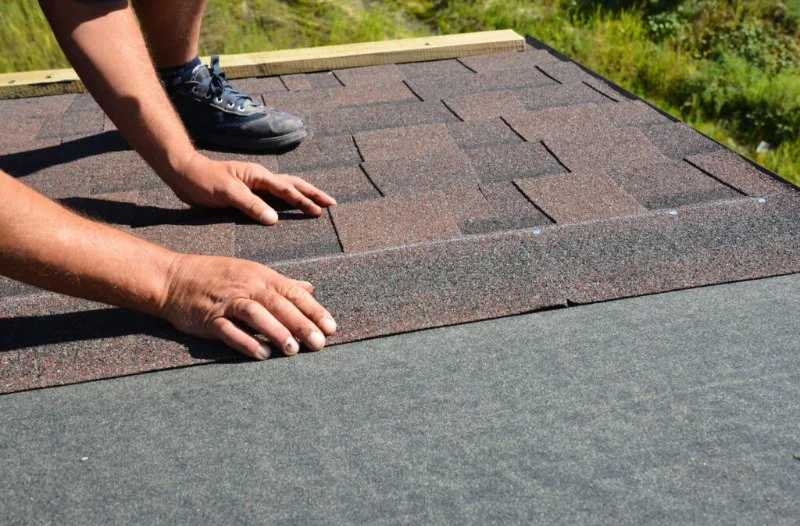
How to Install Roof Shingles in High Wind Conditions
- Understanding Wind Effects on Roofing
- Choosing the Right Materials for High Wind Areas
- Preparing for Shingle Installation in Windy Conditions
- Best Shingle Installation Techniques for Wind Resistance
- Real-Life Roofing Examples in Wind-Prone Areas
Understanding Wind Effects on Roofing
Wind is one of the most damaging forces when it comes to roofing. High winds can lift shingles, damage their edges, and ultimately lead to leaks or even complete roof failure if not properly installed. When installing a new roof, especially in areas prone to storms or high winds, it’s crucial to consider how wind will impact the materials and installation process. Understanding the impact of wind on shingles and the roof structure will guide your decisions in choosing the best materials and installation methods.
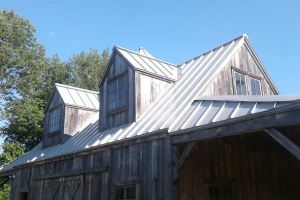
Peak Performance Roofing LLC
EasthamptonHampshire CountyMassachusetts
1 Lovefield St, Easthampton, MA 01027, USA
Choosing the Right Materials for High Wind Areas
Choosing the right materials is the first step in ensuring your roof can withstand high winds. Some shingles are more wind-resistant than others, and it’s important to understand the different types:
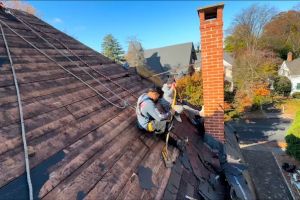
Dependable All Pro Roofing and siding
ElizabethUnion CountyNew Jersey
508 1st Ave, Elizabeth, NJ 07206, USA
1. Asphalt Shingles
Asphalt shingles are common and versatile but not all are equally suited for windy conditions. Look for asphalt shingles that are rated for high wind resistance, typically with enhanced adhesive strips and additional fasteners.
2. Metal Roofing
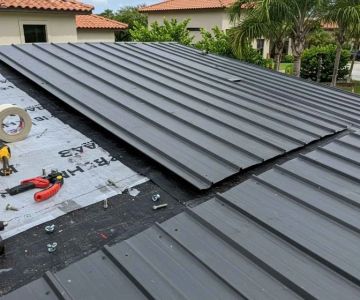
Metal roofs are highly durable and can withstand winds of up to 140 mph. They are a great choice for areas that experience frequent storms, but proper installation is critical to prevent lifting.
3. Synthetic Shingles
Synthetic roofing materials, such as polymer and rubber shingles, are gaining popularity due to their ability to endure high winds. They are designed to mimic the appearance of traditional shingles while providing greater strength.
Preparing for Shingle Installation in Windy Conditions
Before starting the installation, it’s important to assess the weather conditions and prepare the workspace:
1. Check the Forecast
Avoid installing shingles during periods of extreme wind. Installations should be done during mild conditions. Wind gusts can cause significant disruption during installation, so planning for calm weather is essential.
2. Secure the Site
Make sure that all materials and tools are secured. Wind can quickly scatter materials, which can be both costly and dangerous. Store shingles in a sheltered area and make sure ladders and scaffolding are stable.
3. Use Proper Safety Gear
Always wear proper safety equipment, including non-slip footwear and a hard hat. High winds can make working on a roof dangerous, and safety should always be a priority.
Best Shingle Installation Techniques for Wind Resistance
The way shingles are installed plays a major role in their ability to resist wind damage. Here are some best practices to ensure your shingles stay in place during high winds:
1. Use Extra Fasteners
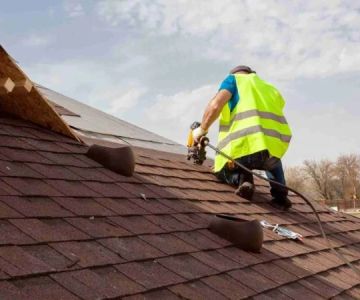
For high wind areas, use extra fasteners to secure shingles. Typically, it’s recommended to use six nails per shingle—two at the top and four along the sides. This provides additional stability compared to standard installations.
2. Apply a Strong Adhesive
Ensure that shingles are secured with an appropriate adhesive to help them stick to the roof more effectively. Some shingles come with pre-applied adhesive strips, while others require an additional application of roofing cement or adhesive during installation.
3. Overlap Shingles Properly
Properly overlap shingles to prevent wind from lifting them. Ensure that each row of shingles is securely interlocked with the row beneath it. A proper overlap can help to distribute the wind’s pressure more evenly across the roof.
Real-Life Roofing Examples in Wind-Prone Areas
In hurricane-prone areas such as Florida, homeowners rely on advanced roofing techniques to ensure their homes stay protected. After Hurricane Irma, many properties that had been retrofitted with high-quality roofing materials and wind-resistant shingles survived the storm’s fierce winds, while other homes with less durable roofing materials sustained extensive damage.
In Texas, homeowners in tornado-prone regions use metal roofing and apply additional fasteners to secure shingles, ensuring their homes remain intact during high-wind events.
If you’re considering a roof installation or upgrade in a wind-prone area, it’s crucial to choose the right materials and use the proper installation techniques. For more information or assistance with your roofing project, check out BeachCo Roofing Hub for professional guidance and quality products.

 Miracle Home Improvements4.0 (57 reviews)
 Evangelous Roofing4.0 (62 reviews)
 JFK ROOFING LLc5.0 (347 reviews)
 CoolWater LLC5.0 (61 reviews)
 Power Roofing & Waterproofing Queens4.0 (34 reviews)
 Villatoro Roofing3.0 (4 reviews)
 How to Choose a Roof Color for a House in a Homeowners Association (HOA)
 How to Choose a Roof Color for a House with Brick Exterior
 How to Repair a Roof Valley: Why This Critical Area is Prone to Leaks
 What is a Roofing Project Liaison? Your Point of Contact During the Job
 How to Prevent Roof Damage from Wind-Driven Rain
 How to Install Roof Flashing on a Roof with Multiple Skylights and Penetrations | BeachCo Roofing Hub