BeachCo Roofing Hub
BeachCo Roofing HubRoof Care InsightsRoof Repair Near Me
ConnecticutNew JerseyNew YorkPennsylvania

BeachCo Roofing HubRoof Care Insights

The Pros and Cons of Green Roofs or Living Roofs: Are They Worth the Investment?

The Pros and Cons of Green Roofs or Living Roofs: Are They Worth the Investment?
1. What Are Green Roofs or Living Roofs?

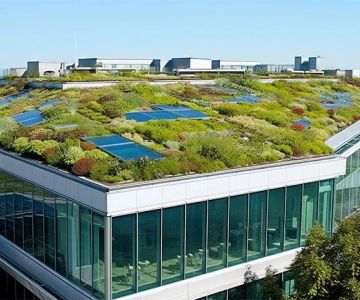
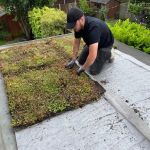
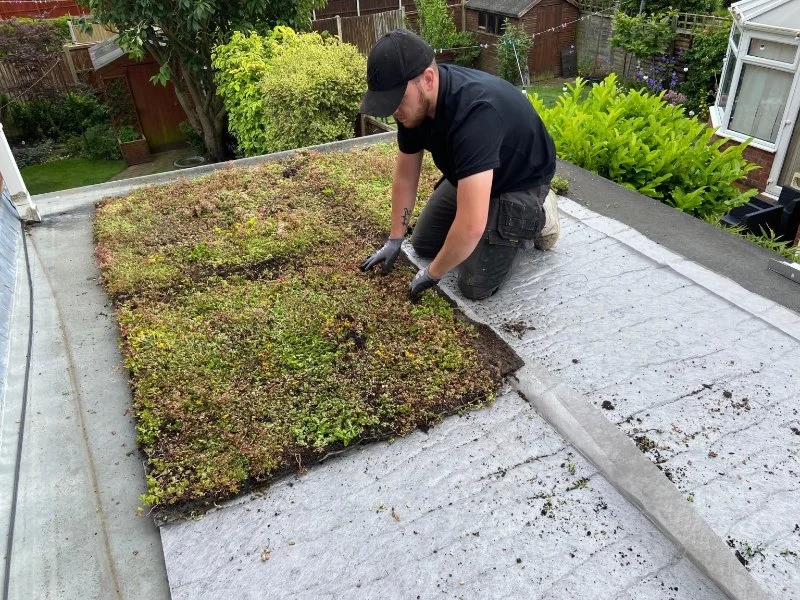
Green roofs, also known as living roofs, are roofs that are partially or completely covered with vegetation. These roofs are designed to provide a sustainable, eco-friendly alternative to traditional roofing systems. Green roofs are typically installed with a waterproof membrane, drainage layers, and a growing medium that supports plants.Types of Green Roofs: There are two main types of green roofs: extensive and intensive. Extensive green roofs are lightweight, with shallow soil and low-maintenance plants, while intensive green roofs have deeper soil and can support a wider variety of plants, including shrubs and small trees.Design and Benefits: Green roofs are often used to improve energy efficiency, promote biodiversity, and reduce urban heat island effects. They are particularly useful in urban areas where space is limited and buildings need sustainable, functional roof spaces.

2. The Pros of Green Roofs

There are numerous benefits to installing a green roof. Here are some of the key advantages:Improved Energy Efficiency: Green roofs act as natural insulators, helping to regulate indoor temperatures by providing shade in summer and retaining heat in winter. This can reduce heating and cooling costs for buildings.Stormwater Management: Green roofs absorb rainwater, reducing runoff and minimizing the strain on urban drainage systems. This is especially beneficial in areas prone to flooding or heavy rainfall.Air Quality Improvement: Plants on green roofs help filter pollutants from the air, improving air quality and providing cleaner, healthier environments for urban dwellers.Increased Biodiversity: Green roofs provide a habitat for various plants, birds, and insects, promoting biodiversity in urban areas. This is particularly important in cities where green spaces are scarce.Aesthetic Appeal: Green roofs add visual interest and beauty to buildings, turning dull, lifeless rooftops into vibrant green spaces. This can enhance the overall aesthetic of a building and even increase its market value.Reduction of Urban Heat Island Effect: By absorbing sunlight and reducing the amount of concrete and asphalt, green roofs help cool down cities, reducing the urban heat island effect and improving overall comfort in urban environments.

3. The Cons of Green Roofs

While green roofs offer many benefits, they also come with certain drawbacks. Some of the cons include:High Initial Cost: Installing a green roof can be expensive. The cost of materials, design, and labor can be significantly higher than traditional roofing systems, especially for intensive green roofs.Maintenance Requirements: While green roofs are generally low-maintenance, they do require some upkeep, especially if they are extensive or have a wide variety of plants. Regular inspections, irrigation, and plant care are necessary to ensure the roof’s longevity and health.Weight Considerations: Green roofs can be heavy, especially if they have deep soil layers and large plants. It’s essential to ensure that the building’s structure can support the added weight, which may require structural reinforcements.Climate Limitations: Green roofs may not be suitable for all climates. For example, regions with extreme temperatures, such as very hot or cold areas, may require additional considerations for plant selection and insulation to ensure the roof performs well year-round.Watering Needs: Although green roofs are designed to manage rainwater, some systems, especially intensive green roofs, may require regular watering, especially during dry spells. This can add to the operational costs over time.

4. Is a Green Roof Worth the Investment?

Determining whether a green roof is worth the investment depends on several factors, including the specific needs of the building, the local climate, and the long-term benefits you’re seeking. For many urban buildings, green roofs can offer substantial long-term savings on energy bills, stormwater management, and building longevity.Energy Savings: If you live in a climate with extreme temperatures, the energy-saving benefits of a green roof can be particularly significant. Over time, the cost of installation may be offset by reduced heating and cooling bills.Environmental Benefits: For eco-conscious property owners, the environmental benefits of green roofs, such as improved air quality, reduced stormwater runoff, and enhanced biodiversity, can make the investment worthwhile.Increased Property Value: In some cases, green roofs can increase property value due to their aesthetic appeal and sustainability. This may be especially true for commercial properties, where green roofs can attract tenants or customers interested in eco-friendly buildings.

5. Examples of Successful Green Roofs

Here are a few real-life examples of green roofs that have been successfully implemented in various locations:The California Academy of Sciences in San Francisco: This iconic building features a large living roof that helps regulate temperature, manage stormwater, and enhance the building’s energy efficiency. It’s a prime example of how green roofs can improve both the environment and the building’s performance.The Chicago City Hall Green Roof: Chicago’s City Hall has one of the largest green roofs in the U.S., covering over 20,000 square feet. This green roof helps reduce energy use, improve air quality, and manage stormwater, making it a great example of urban sustainability.The NREL Building in Colorado: The National Renewable Energy Laboratory (NREL) in Colorado features a green roof that supports the building’s energy-efficient design and provides natural insulation, reducing heating and cooling costs.

6. Tips for Installing a Green Roof

If you’re considering installing a green roof, here are some important tips to ensure a successful project:Consult with Professionals: Work with architects, engineers, and green roof specialists who can help you design a roof that meets your building’s structural requirements and climate needs.Choose the Right Type of Green Roof: Consider whether an extensive or intensive green roof is best for your building. Extensive green roofs are lower-maintenance, while intensive green roofs can support a wider variety of plants but require more upkeep.Plan for Irrigation: Some green roofs, especially intensive ones, require irrigation systems to ensure plants receive enough water, especially during dry periods.Maintain Regular Care: While green roofs require minimal maintenance, regular check-ups are necessary to ensure the plants remain healthy, the irrigation system works, and the roof is functioning properly.

Popular Blog Posts

Categories

Top Visited Sites

Trending Roof Care Insights Posts