
- 1. Why Install Roof Snow Fences?
- 2. Materials Needed for Snow Fence Installation
- 3. Step-by-Step Guide to Installing Snow Fences
- 4. Safety Tips for Installing Snow Fences on Low Slope Roofs
- 5. Maintaining Your Roof Snow Fences
1. Why Install Roof Snow Fences?
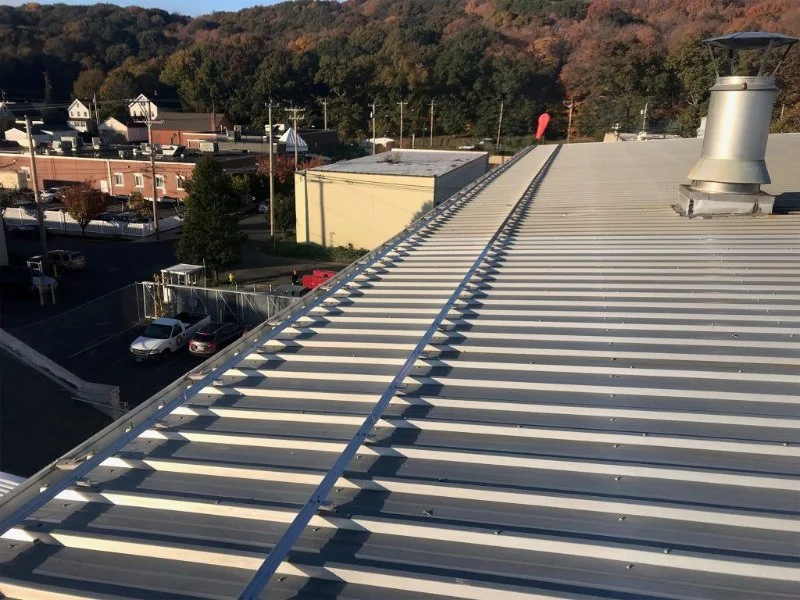
Snow fences, also known as snow guards, are essential for commercial roofs, especially in areas prone to heavy snowfall. When snow accumulates on low slope roofs, it can slide off in large amounts, posing a risk to both the building and anyone below. Installing roof snow fences helps mitigate these risks by holding snow in place and allowing it to melt gradually. This guide will show you how to install roof snow fences on low slope commercial roofs, preventing costly damage and ensuring safety.

2. Materials Needed for Snow Fence Installation
Before you begin installing snow fences on your roof, it's essential to gather the necessary materials. Here’s a list of items you’ll need:
- Roof snow fence panels
- Mounting brackets or anchors
- Roof screws or bolts
- Measuring tape
- Drill with appropriate drill bits
- Safety harness and ropes
- Level and pencil
- Snow fence installation template or guide
Roof snow fences come in various styles, including metal, plastic, and aluminum. It's important to choose a material that is durable, weather-resistant, and compatible with your roof type.
Priority Construction
Ashton-Sandy SpringMontgomery CountyMaryland
17824 Hidden Garden Ln, Ashton, MD 20861, USA
3. Step-by-Step Guide to Installing Snow Fences
Installing snow fences on a low slope roof requires precision and attention to detail. Follow these steps to install the snow fences safely and effectively:
Step 1: Plan the Placement
Start by measuring the roof and marking where the snow fences will be installed. The placement of the snow fences should be along the eaves of the roof, where snow is most likely to slide off. Ensure that the snow fence is positioned to allow water and snow to slide off slowly without causing damage to the building or nearby structures.
Step 2: Attach the Mounting Brackets
Next, secure the mounting brackets or anchors to the roof. Depending on your roof material, you may need to use screws, bolts, or specialized anchors. Ensure that the brackets are installed securely to avoid any accidents or damage during heavy snowfall.
Step 3: Install the Snow Fence Panels
Once the brackets are in place, attach the snow fence panels. Align the panels with the brackets, and secure them with screws or bolts. It’s important to ensure that the panels are evenly spaced to provide consistent snow retention across the roof. Use a level to make sure the panels are installed correctly.
Step 4: Test the Snow Fence
Once the installation is complete, test the snow fence by simulating snowfall or checking for any gaps. If there are any areas where snow may slip through, adjust the panels to ensure full coverage.
4. Safety Tips for Installing Snow Fences on Low Slope Roofs
Roof installations can be hazardous, especially in winter conditions. Here are some safety tips to ensure a secure installation:
- Always use a safety harness and ropes when working on the roof.
- Ensure that the roof is dry and free of ice or snow before beginning the installation.
- Use proper scaffolding or ladders to avoid any falls.
- Wear appropriate clothing and safety gear, including gloves, non-slip boots, and a helmet.
- If you're unsure about your ability to safely install snow fences, consider hiring a professional roofing contractor.
5. Maintaining Your Roof Snow Fences
To ensure that your roof snow fences continue to function properly, regular maintenance is essential. Here’s how to maintain your snow fences:
- Check the snow fences for any damage or loose parts after heavy snowstorms.
- Clean the snow fences regularly to remove debris or dirt that may interfere with their functionality.
- Inspect the roof periodically to ensure that the snow fence brackets and anchors remain secure.
- Replace any broken or worn-out snow fence panels promptly to maintain the roof’s safety.
Regular maintenance of your roof snow fences will ensure that they provide long-lasting protection for your property during winter weather.
If you're considering installing roof snow fences on your low slope commercial roof, reach out to professionals like [BeachCo Roofing Hub](#) to ensure proper installation and quality materials. Protect your building and its surroundings with reliable snow fence solutions.



 Russo Roofing Inc4.0 (20 reviews)
 Lucas Home Improvement, LLC5.0 (69 reviews)
 Roof Solutions, Inc.4.0 (31 reviews)
 Urban Capital Roofing & Exteriors4.0 (6 reviews)
 Anthony Roofing & Exteriors0.0 (0 reviews)
 Clark Roofing Contractor Repair & Installation4.0 (20 reviews)
 The Lifespan of Roof Coatings: How Often They Need to be Reapplied
 How to Maintain Roof Valleys and Downspouts to Prevent Ice Dams
 The Cost of Roof Replacement in Different US Regions: What You Need to Know
 How to Choose a Roofing Contractor Active in Industry Associations – A Guide for Homeowners
 What is a Roofing Arbitration Clause in a Contract? Understanding Its Importance
 How to Repair a Roof Leak in a Building with a Recycled Material Roof