
- 1. Understanding Synthetic Underlayment for Roofing
- 2. Why Choose a Roofing Contractor that Uses Synthetic Underlayment?
- 3. How to Evaluate Roofing Contractors Using Synthetic Underlayment
- 4. Benefits of Synthetic Underlayment Over Traditional Felt
- 5. Key Factors in Choosing the Right Roofing Contractor
1. Understanding Synthetic Underlayment for Roofing
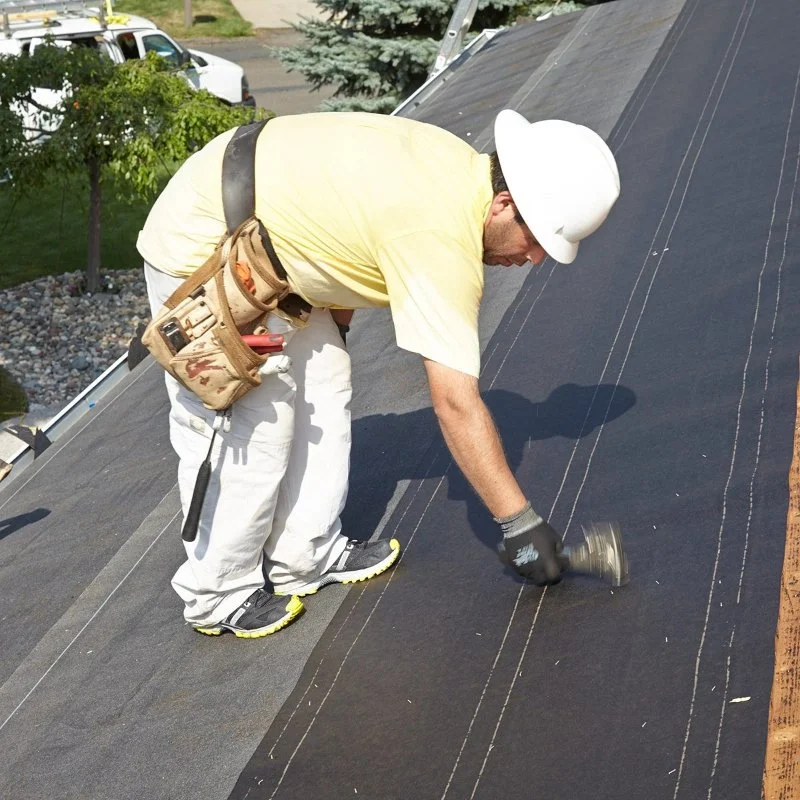
When it comes to roofing, the underlayment plays a crucial role in protecting your home from water infiltration and other environmental factors. Synthetic underlayment has become a popular choice for homeowners and contractors due to its superior performance compared to traditional felt. Made from polypropylene or polyester, synthetic underlayment offers increased durability, resistance to tearing, and better waterproofing capabilities.
In this article, we’ll discuss why choosing a roofing contractor that uses synthetic underlayment is essential, how to evaluate contractors who specialize in it, and the benefits of this modern roofing material.

2. Why Choose a Roofing Contractor that Uses Synthetic Underlayment?
Choosing a roofing contractor who uses synthetic underlayment can make a significant difference in the longevity and efficiency of your roof. Unlike traditional felt, which can degrade over time, synthetic underlayment provides enhanced protection against the elements. It is highly resistant to mold, mildew, and water, ensuring your roof stays dry and free from leaks.
Moreover, synthetic underlayment is lighter and easier to install compared to felt, making the roofing process faster and more cost-effective. These advantages can result in a longer-lasting roof, better energy efficiency, and fewer repairs down the line.

Revolution Roofing and Remodeling, Inc
BurlingtonBurlington CountyNew Jersey
13 Orly Way, Burlington, NJ 08016, USA
3. How to Evaluate Roofing Contractors Using Synthetic Underlayment
When selecting a roofing contractor, it’s important to ensure they are familiar with synthetic underlayment and its benefits. Here are some steps to help you evaluate potential contractors:
Step 1: Ask About Their Experience with Synthetic Underlayment
Not all roofing contractors may be experienced in installing synthetic underlayment. Be sure to ask about their previous projects and whether they have worked with synthetic materials before. Ask for examples or references to gauge their experience.
Step 2: Inquire About Product Quality
There are various brands of synthetic underlayment available on the market, and not all are equal in quality. Be sure to ask your contractor about the specific brand they recommend and use, as higher-quality products will offer better durability and protection.
Step 3: Review Installation Methods
Proper installation is crucial for the performance of synthetic underlayment. Ensure that the contractor follows industry best practices when applying the material. This includes proper layering, securing edges, and using the correct fasteners.
4. Benefits of Synthetic Underlayment Over Traditional Felt
While traditional felt underlayment has been used for years, synthetic underlayment offers several advantages that make it a superior choice for modern roofing projects:
- Better Water Resistance: Synthetic underlayment has a higher water resistance, which helps prevent leaks and water damage.
- Increased Durability: Synthetic materials are stronger and more resistant to tearing, which makes them ideal for withstanding harsh weather conditions.
- Lightweight: Synthetic underlayment is lighter than felt, making it easier to handle during installation.
- Longer Lifespan: Synthetic underlayment is less likely to degrade over time, ensuring that your roof lasts longer.
- Improved Safety: Synthetic materials often provide better slip resistance, reducing the risk of accidents during installation.
5. Key Factors in Choosing the Right Roofing Contractor
Selecting the right roofing contractor is essential for ensuring your roof is installed correctly and with the best materials. Here are some factors to consider when making your choice:
Experience and Reputation
Look for a contractor who has extensive experience in the roofing industry, especially with synthetic underlayment. A reputable contractor will have positive reviews, testimonials, and a portfolio of previous projects.
Licensing and Insurance
Make sure the contractor is licensed and insured. This ensures that they are qualified to perform the work and that you're protected in case of accidents or issues during the installation.
Cost and Warranty
While price shouldn’t be the only factor, it’s important to get quotes from multiple contractors to ensure competitive pricing. Additionally, ask about the warranty for both the roofing materials and the labor involved.
By carefully evaluating these factors, you can find a reliable contractor who will deliver quality results and ensure your roof is built to last with synthetic underlayment.

 L&S Roofers0.0 (0 reviews)
 New Path Roofing5.0 (47 reviews)
 Safeguard Roofing5.0 (551 reviews)
 All Roofing Contractors5.0 (5 reviews)
 NJ Roofing Specialists0.0 (0 reviews)
 Martin & Sons Roof Repair4.0 (27 reviews)
 What is a Roofing Square? How to Convert Measurements for Your Project
 How to Install a Roof Cricket Behind a Rooftop Stairwell Enclosure
 The Average Cost of a Roof Warranty Transfer When Selling a Home
 What is a Roofing Material Sustainability Certification? (e.g., LEED, Cool Roof)
 Roof Snow Load Calculation: How to Know if Your Roof is at Risk
 Common Roofing Scams and How to Avoid Them: High-Pressure Sales and Free Inspections