
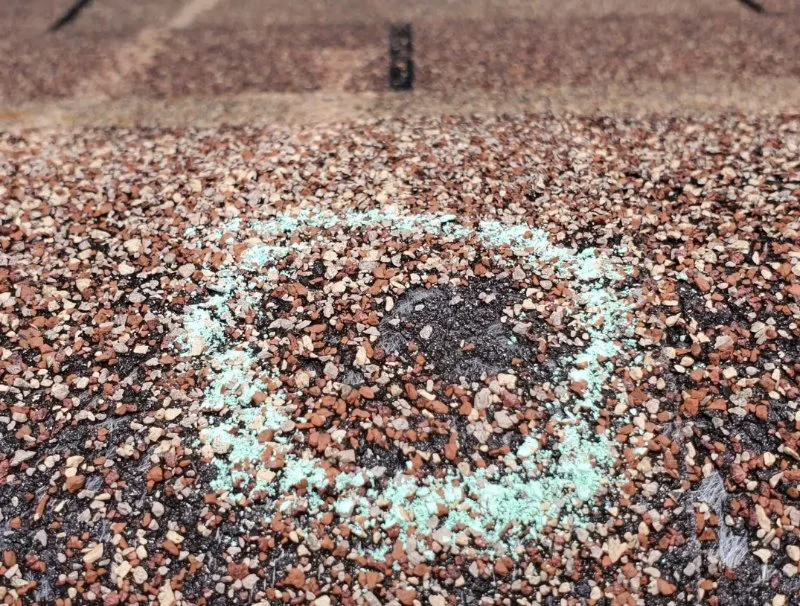
1. Understanding Roof Hail Damage
Hail storms can cause significant damage to your roof, and it's crucial to identify and address hail damage as soon as possible. The longer hail damage goes unnoticed, the greater the risk of leaks, structural damage, and costly repairs. In this article, we will discuss how to identify hail damage on your roof, focusing on key indicators such as size and impact markers.
- - Hail damage can compromise the integrity of roofing materials.
- - Early detection can prevent costly roof repairs and water damage.
- - Understanding the signs of damage is crucial for homeowners and roofing professionals alike.
2. Identifying Hail Damage: Key Markers
When inspecting your roof for hail damage, it's essential to know what to look for. There are various visual markers that indicate whether hail has caused damage to your roof. Let's take a closer look at these key signs:
Triplett Robert
WinchesterFrederick CountyVirginia
4827 Northwestern Turnpike, Winchester, VA 22603, USA
2.1 Size of the Damage
The size of the damage caused by hailstones can vary depending on the size and severity of the hailstorm. Typically, larger hailstones cause more noticeable damage to roofing materials. Here's what to look for based on the size of the damage:
- - Small dents: These can be caused by smaller hailstones (around 1 inch or smaller). While they may not penetrate the roofing material, they can still impact the overall integrity of the roof.
- - Medium dents: Hailstones around 1 to 2 inches in diameter can cause medium-sized dents. These dents may be more noticeable on asphalt shingles, and they can cause the shingles to crack over time.
- - Large dents or punctures: Hailstones larger than 2 inches in diameter can cause severe damage, leaving large dents, punctures, or even breaks in roofing materials like metal, asphalt, or wood shingles.
2.2 Impact Markers
Impact markers are distinct signs left by hailstones when they hit the roof. These marks can help you assess the extent of the damage. Here are the main types of impact markers to look for:
- - Bruises or soft spots: If your shingles feel soft or have a "bruised" appearance, this is often an indication of hail damage. These spots may not always be visible, but pressing gently on the affected area can reveal a soft texture.
- - Granule loss: Hailstones can cause the granules on asphalt shingles to wear off. Check for areas where the granules have been dislodged, exposing the underlying material.
- - Shingle cracking or splitting: Larger hailstones can cause shingles to crack or even split. These cracks may be visible around the edges or center of the shingle and can lead to leaks if left unaddressed.
- - Dings in metal roofing: If you have a metal roof, look for small, round dimples or "dings" in the surface. These marks indicate that hailstones have impacted the metal surface but may not always cause major structural damage.
3. Inspecting Your Roof After a Hailstorm
After a hailstorm, it's essential to inspect your roof for any damage. Here’s how to conduct a basic roof inspection:

3.1 Safety First
Before you climb up onto your roof, make sure you’re taking the necessary safety precautions. It’s always best to hire a professional roofing contractor to inspect your roof if you're not comfortable doing it yourself. If you decide to inspect it on your own, ensure you use a sturdy ladder and wear appropriate safety gear.
3.2 Look for Obvious Damage from the Ground
Start by walking around your property and looking at the roof from a safe distance. Check for any visible signs of damage, such as missing shingles, broken gutters, or debris on the roof. If you notice anything concerning, it’s time to get a closer look.
3.3 Use Binoculars for a Closer Look
If you’re not comfortable climbing onto your roof, binoculars can help you spot damage from a distance. Look for the impact markers, such as bruised shingles or granule loss, and note any areas that appear to be damaged.
3.4 Inspect Your Roof’s Attic and Interior
Hail damage might not always be visible from the outside. Inspect your attic for signs of leaks or water damage, which could indicate that hail has caused structural damage to your roof. If you spot any leaks, it’s important to address them immediately to prevent further damage.
4. When to Call a Professional
If you suspect hail damage or if your roof shows any of the signs mentioned above, it's important to call a professional roofing contractor for a thorough inspection. A professional can assess the full extent of the damage, including areas that may be difficult to see from the ground. In some cases, your insurance may cover the cost of repairs if the damage is significant.
4.1 Choosing a Roofing Contractor
When hiring a roofing contractor, make sure they are licensed, insured, and experienced in dealing with hail damage. Look for reviews and recommendations from trusted sources, and ask for a detailed estimate before proceeding with any repairs.
5. Real-Life Example: Identifying Hail Damage in Action
A customer from BeachCo Roofing Hub shared their experience with hail damage on their roof after a recent storm. They noticed a few missing shingles and granule loss on their asphalt shingles, and after a professional inspection, it was revealed that the hailstones had caused damage to the structure underneath. The roofing team was able to replace the damaged shingles and prevent further water intrusion, saving the homeowner from costly repairs down the line. This example shows how important it is to identify and address hail damage promptly.
6. Conclusion: Stay Proactive with Roof Inspections
Hail damage can have a serious impact on your roof’s integrity, but early detection and timely repairs can save you from expensive fixes down the road. Regular roof inspections after storms and knowing how to identify hail damage are crucial for keeping your home safe and protected. For more expert advice and quality roofing services, visit BeachCo Roofing Hub to learn more about how we can help.
 MN General Construction5.0 (3 reviews)
 Wilcox Roofing LLC4.0 (19 reviews)
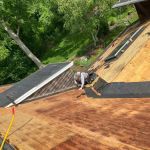 Power Plus Construction Inc5.0 (24 reviews)
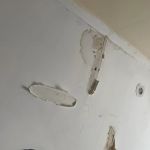 BRG ROOFING4.0 (4 reviews)
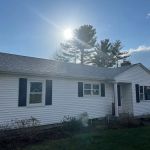 Desautels Roofing4.0 (133 reviews)
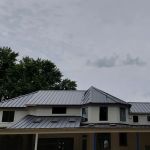 Empire Metal Roofing5.0 (2 reviews)
 How to Choose a Roofing Contractor That is Certified by Major Manufacturers
 How to Choose the Best Roofing Material for a Building with a Green Roof System
 The Importance of Roof Ventilation: How It Prevents Mold and Lowers Energy Bills | BeachCo Roofing Hub
 How to Choose a Roofing Material for a Building Exposed to Saltwater Spray
 How to Fix a Roof Leak Caused by Ice Dams
 How to Fix a Roof Leak Caused by Ice Dams | BeachCo Roofing Hub