
Understanding Wind-Driven Rain and Its Impact on Roofs
Wind-driven rain occurs when strong winds push rain against your roof at an angle, causing the water to infiltrate areas that would otherwise remain dry. This phenomenon can be particularly damaging to roofs, as it can force water into the smallest gaps, cracks, and seams, leading to leaks and moisture buildup within the structure.
The problem is compounded during storms, when both the intensity of the wind and the volume of rain increase. For homes in areas that are frequently hit by heavy rainstorms or hurricanes, wind-driven rain poses a significant risk to the integrity of the roof. Understanding how wind-driven rain works and its effects on your roof is the first step toward taking protective measures and preventing potential damage.
Graves Brothers Home Improvement
West HartfordCapitol Planning RegionConnecticut
71 Raymond Rd, West Hartford, CT 06107, USA
Signs of Roof Damage from Wind-Driven Rain
Before you can protect your roof from wind-driven rain, it’s important to know how to identify early signs of damage. Regularly inspecting your roof for the following issues can help you address problems before they turn into costly repairs:
- Leaks and Water Stains: One of the most common signs of wind-driven rain damage is leaks. You may notice water stains on your ceilings or walls, which indicate that rainwater has found its way inside. Check your attic for signs of moisture, as well.
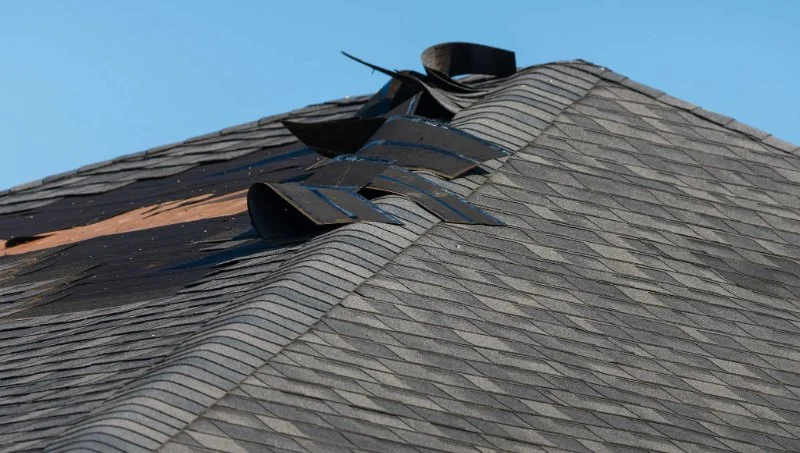
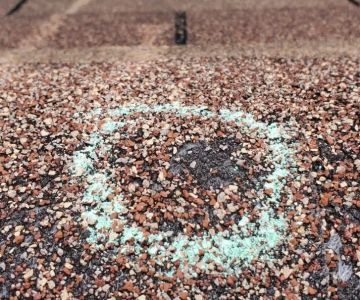
- Damaged or Missing Shingles: High winds can lift shingles and expose the roof underneath to rain. Look for damaged, curled, or missing shingles, as they can allow water to penetrate the roof more easily.
- Clogged Gutters: Wind-driven rain can cause debris to accumulate in your gutters, preventing proper water flow. This can lead to water backing up onto your roof and increasing the risk of leaks and water damage.
- Cracked or Rusted Flashing: Flashing around chimneys, vents, and skylights is designed to keep water out. If it’s cracked or rusted, wind-driven rain can easily slip through the gaps, causing damage to the roof and interior of your home.
Preventive Measures to Protect Your Roof
There are several steps you can take to prevent wind-driven rain from damaging your roof. These preventive measures will help fortify your roof against the elements and keep your home safe from water infiltration:
- Inspect and Replace Damaged Shingles: Regularly inspect your roof for damaged or missing shingles. Replace them promptly to prevent water from seeping into your roof. This is especially important after severe storms or high winds.
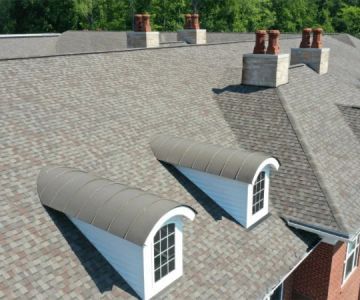
- Install High-Quality Roofing Materials: Opt for roofing materials that are designed to withstand high winds and heavy rain. For example, impact-resistant shingles or metal roofing can offer superior protection against wind-driven rain.
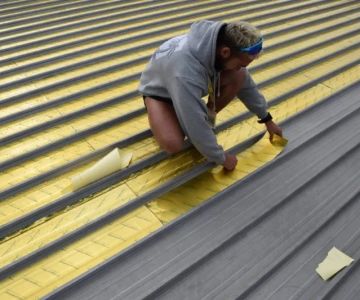
- Seal Gaps and Joints: Make sure all seams, joints, and gaps in your roof are properly sealed. Use high-quality roofing sealant to prevent water from entering through cracks or holes, particularly around chimneys, vents, and skylights.
- Ensure Proper Drainage: Keep your gutters and downspouts clear of debris to ensure proper water drainage. Clogged gutters can cause water to pool on the roof, increasing the risk of leaks. Installing gutter guards can help prevent debris buildup.
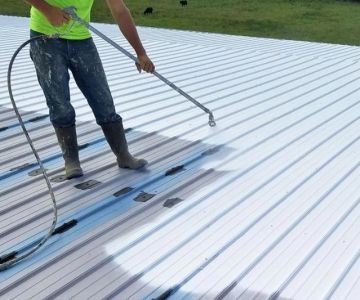
- Consider Roof Coatings: Applying a waterproof roof coating can provide an additional layer of protection against wind-driven rain. These coatings are designed to repel water and reduce the chances of leaks caused by rain and moisture.
Roof Maintenance Tips for Long-Term Protection
Regular roof maintenance is crucial for extending the lifespan of your roof and preventing damage from wind-driven rain. Here are some essential roof maintenance tips:
- Schedule Annual Inspections: Have a professional roofer inspect your roof at least once a year. This will help identify any issues early, including signs of wear and tear caused by wind and rain.
- Trim Overhanging Branches: Overhanging trees can cause damage to your roof during storms, especially when the wind drives rain into the branches. Trim back any branches that are close to your roof to prevent damage from falling debris.
- Check Insulation and Ventilation: Proper insulation and ventilation in your attic can help prevent moisture buildup, which can lead to roof rot and mold. Make sure your attic is properly ventilated to allow air circulation and reduce humidity.
When to Call a Professional for Roof Repairs
If you’ve noticed signs of damage to your roof or are unsure about the condition of your roof after a storm, it’s best to call a professional roofer. A certified roofing contractor can perform a thorough inspection and identify any issues that may not be immediately visible to you. If your roof has suffered significant damage from wind-driven rain, a professional can recommend the best course of action for repairs or replacement.
For reliable roofing services and products, visit BeachCo Roofing Hub, where you can find expert recommendations for protecting your roof from wind-driven rain and other weather-related damages.
By staying proactive and maintaining your roof, you can ensure that your home remains protected from the damaging effects of wind-driven rain, safeguarding both your roof and your interior from costly repairs.

 American Sons Professionals5.0 (40 reviews)
 J&J’s Roofing,0.0 (0 reviews)
 Millennium Roofing LLC5.0 (29 reviews)
 Mercer Roofing And Siding4.0 (54 reviews)
 New Look Roofers5.0 (8 reviews)
 DuraCraft Roofing4.0 (29 reviews)
 The Lifespan of a Roof Under Extreme Heat Conditions: What You Need to Know
 How to Install Roof Vents on a House with No Soffits
 How to Choose a Roofing Contractor That Provides a Written Warranty
 How to Install Roof Flashing on a Roof with Multiple Skylights and Penetrations
 How to Choose a Roofing Contractor with Good Reviews and BBB Rating
 Common Roofing Scams and How to Avoid Them: High-Pressure Sales and Free Inspections