
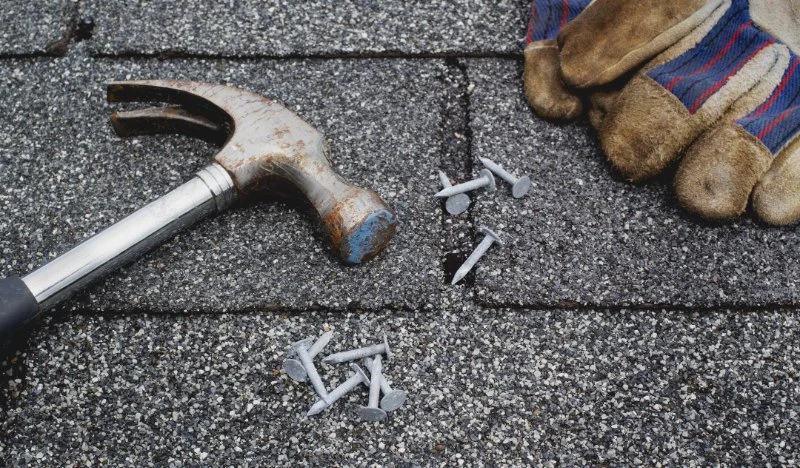
1- Understanding Roofing Nails for Asphalt Shingles
When it comes to installing asphalt shingles, roofing nails play a crucial role in ensuring the durability and performance of your roof. The right nails help secure each shingle, preventing them from lifting or shifting due to wind, weather, or other external forces. However, not all roofing nails are created equal. The material, length, and type of nail used can all significantly impact the installation process and the long-term performance of the roof.
In this article, we will explore the best types of roofing nails for asphalt shingles, discussing the ideal lengths and materials for your specific roofing project. We will also cover common issues that can arise from using the wrong nails and tips for selecting the best nails for your needs.

Four Seasons Home Improvement
RockvilleMontgomery CountyMaryland
15730 Crabbs Branch Way, Rockville, MD 20855, USA
2- Choosing the Right Length for Roofing Nails
The length of roofing nails is one of the most important factors to consider when installing asphalt shingles. If the nails are too short, they won’t penetrate deep enough into the decking, leading to a weak bond that may result in the shingles lifting or blowing off during a storm. On the other hand, nails that are too long can penetrate too far through the roof deck, potentially causing damage to the attic or interior of the home.
The ideal length of roofing nails for asphalt shingles is typically 1-1/4 to 1-1/2 inches. This length ensures that the nail fully penetrates the shingle and roof deck without causing damage. For thicker roofing materials, you may need slightly longer nails, but generally, 1-1/4 inches will suffice for most standard asphalt shingles.
It’s important to follow the manufacturer’s guidelines when selecting the length of roofing nails, as they may vary depending on the type of shingles and the roofing structure.
ONE Construction & Roofing Contractors
395 Flatbush Ave Ext, Brooklyn, NY 11201, USA
3- Roofing Nail Materials: Which is Best for Asphalt Shingles?
Roofing nails come in various materials, each with its own advantages and considerations. The most common materials used for roofing nails are steel, aluminum, and copper. Here’s a breakdown of the pros and cons of each material:
- Steel: Steel nails are the most common type used in roofing. They are durable and provide a strong hold, making them ideal for securing asphalt shingles. Steel nails are typically coated with a layer of zinc (galvanized) to prevent rust and corrosion, ensuring they last for many years.
- Aluminum: Aluminum roofing nails are lightweight and resistant to rust, making them a good choice for areas with high moisture levels. However, aluminum nails are generally less durable than steel, and they can be more expensive.
- Copper: Copper nails are rarely used in typical asphalt shingle installations but are sometimes preferred for their corrosion resistance in certain environments. Copper nails are the most expensive option and are usually reserved for high-end roofing projects or historic buildings.
For most asphalt shingle roofing projects, galvanized steel nails are the most cost-effective and durable option. They offer excellent rust protection and provide a secure hold for shingles, ensuring long-lasting performance.
4- Common Roofing Nail Issues and How to Avoid Them
While roofing nails are essential to securing asphalt shingles, using the wrong type or applying them incorrectly can lead to several issues. Here are some common problems homeowners and contractors may encounter, along with tips on how to avoid them:
- Under-driven Nails: Nails that are not driven deep enough can leave the shingles loose, causing them to shift or lift in high winds. Always make sure nails are driven just below the surface of the shingles without piercing through the deck.
- Over-driven Nails: Nails driven too deep can damage the shingle and prevent it from laying flat. This can lead to water infiltration or shingles that don’t properly seal. Be sure to set the nail gun depth properly or use a hammer with the right force to avoid this issue.
- Rusting Nails: Using nails that are not properly coated can lead to rusting, especially in humid or coastal environments. Always use galvanized or stainless steel nails to ensure they last and resist corrosion.
By paying attention to these issues and using the right nails, you can avoid common roofing problems and ensure that your shingles stay securely in place for many years.
5- Where to Buy the Best Roofing Nails for Asphalt Shingles
Finding the right roofing nails is crucial for a successful roofing project. There are many options available online and in stores, but it’s important to buy high-quality nails that meet your specific needs. Local hardware stores and home improvement centers often carry a variety of roofing nails, but for more specialized options or bulk orders, consider checking online retailers.
For the best selection of roofing nails, visit BeachCo Roofing Hub, where you can find premium quality galvanized roofing nails specifically designed for asphalt shingles. They offer a wide range of options to fit your needs and help ensure a secure and durable roof installation.
 Guardian home renovation Inc.5.0 (5 reviews)
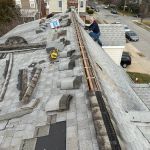 Empire Gen Roofing and Chimney5.0 (22 reviews)
 United Pro Construction5.0 (16 reviews)
 Direct Roofing4.0 (24 reviews)
 Luxury Roofing & Design LLC5.0 (2 reviews)
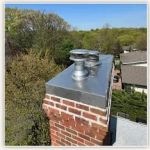 Roof 2 Roof Llc5.0 (16 reviews)
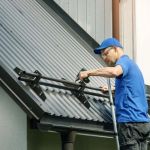 How to Properly Install Roof Snow Fences to Prevent Drifting
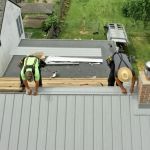 Roofing Manufacturer's Approved Installer Program: What You Need to Know
 How to Install a Roof Vent for a Gas Water Heater or Furnace
 What is TPO Roofing? Benefits and Costs for Commercial and Residential Use
 How to Choose a Roofing Contractor That Uses OSHA Safety Standards
 How to Install Roof Ice and Water Shield on Complex Roof Details