
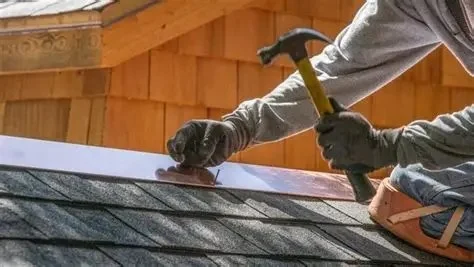
- shingle-blow-off-basics - What asphalt shingle blow-off damage actually means
- repair-cost-breakdown - Labor and material cost structure for small roof patches
- weather-damage-factors - How wind and storms affect shingle repair pricing
- small-patch-repair-process - Step-by-step breakdown of fixing localized roof damage
- real-homeowner-repair-cases - Real-world examples of repair costs and outcomes
- prevention-and-roof-maintenance - How to avoid repeated shingle blow-off issues
1. What Asphalt Shingle Blow-Off Damage Really Means
When homeowners first hear about asphalt shingle blow-off repair cost, it usually comes after a stressful moment—spotting shingles missing from the roof after a windy night or storm. This type of damage occurs when wind lifts and detaches shingles from the roof surface, exposing the underlayment or even the wooden decking underneath.
Unlike gradual roof aging, blow-off damage is sudden and often localized. It may affect just a few shingles or a small patch, but even minor exposure can quickly lead to water intrusion if not addressed promptly.
At BeachCo Roofing Hub, contractors often emphasize that small patch repairs should never be ignored. What starts as a few missing shingles can escalate into leaks, insulation damage, and interior ceiling issues if rain follows the wind event.
Why asphalt shingles are vulnerable in wind events
Asphalt shingles rely on adhesive strips and proper nailing patterns to stay secure. High winds, poor installation, or aging adhesive layers can weaken their grip, making them susceptible to lifting or tearing away.

2. Breaking Down Asphalt Shingle Blow-Off Repair Cost
The total asphalt shingle blow-off repair cost depends on several components, primarily labor and materials. For small patches, costs are generally manageable, but they can vary depending on roof height, pitch, and accessibility.
1. Material costs for small patch repairs
Materials are typically the smaller portion of the total expense. Replacing a few shingles may only require matching asphalt shingles, roofing nails, adhesive sealant, and minor underlayment materials if damage extends deeper.
However, matching existing shingles can sometimes be challenging, especially if the roof is older. Contractors may need to source close matches or replace a slightly larger section to maintain visual consistency.
2. Labor costs and installation time
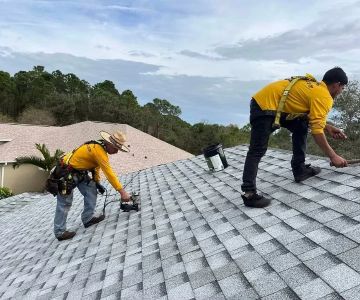
Labor is usually the dominant factor in pricing. Even for a small patch, roofing professionals must safely access the roof, assess damage, remove loose debris, replace shingles, and ensure proper sealing.
On average, small repairs may take one to three hours depending on complexity. Steeper roofs or multi-story homes increase labor time due to safety precautions and setup requirements.
3. Minimum service charges
Many roofing companies apply a minimum service fee, even for small repairs. This covers travel, inspection, and setup costs. As a result, even minor shingle blow-off repairs may have a baseline cost regardless of size.
3. How Weather Conditions Influence Repair Pricing
Weather plays a major role in both the occurrence and repair cost of asphalt shingle blow-offs. Wind speed, storm frequency, and seasonal patterns all impact roofing demand and urgency.
Storm season demand spikes
During peak storm seasons, roofing contractors often experience high demand. This can slightly increase labor costs or extend scheduling timelines due to emergency repair backlogs.
Wind exposure and roof design
Homes located in open areas or coastal regions experience stronger wind exposure. Roof designs with steep slopes or poorly aligned edges are more prone to shingle lifting, increasing long-term repair frequency.
BeachCo Roofing Hub often notes that homes near coastal zones typically require more frequent maintenance due to salt air and wind pressure affecting adhesive performance over time.
4. How Small Asphalt Shingle Repairs Are Completed
Understanding the repair process helps homeowners better evaluate quotes and recognize quality workmanship. Even small patch repairs follow a structured approach.
Step 1: Inspection and damage assessment
Roofers begin by identifying not only missing shingles but also surrounding weak points. Often, nearby shingles may appear intact but have loosened seals.
Step 2: Removal of damaged materials
Any torn or partially detached shingles are carefully removed. This prevents uneven layering and ensures proper adhesion of replacement materials.
Step 3: Installation of new shingles
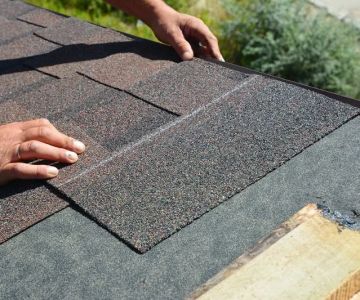
New shingles are aligned with the existing pattern and securely fastened with roofing nails and adhesive. Proper sealing is essential to prevent future wind uplift.
Step 4: Final sealing and inspection
A final check ensures all edges are sealed and the patch blends with the surrounding roof. This step is critical for long-term durability and waterproofing.
5. Real-Life Examples of Shingle Blow-Off Repairs
In Florida, a homeowner experienced minor shingle loss after a tropical storm. Initially, only a small patch was affected near the roof edge. The repair cost remained relatively low because damage was localized, and replacement shingles matched existing materials closely.
In Texas, another homeowner delayed repairs after noticing a few missing shingles. Within weeks, heavy rainfall caused interior ceiling staining. What started as a small repair escalated into a more expensive section replacement due to water intrusion.
These cases highlight a consistent lesson: even small asphalt shingle blow-off issues should be addressed quickly to avoid escalating costs.
Contractor insight from BeachCo Roofing Hub
Roofing professionals often see that timely small repairs significantly reduce long-term expenses. A quick patch is far more cost-effective than structural repair or interior restoration.
6. Preventing Future Shingle Blow-Off Issues
While understanding asphalt shingle blow-off repair cost is important, prevention is even more valuable. Proper maintenance reduces the likelihood of repeated damage.
Regular roof inspections
Annual or seasonal inspections help identify loose shingles before they detach completely. Early intervention can prevent storm-related damage.
Improved installation techniques
Proper nailing patterns and high-quality adhesive strips significantly improve wind resistance. Poor installation is one of the most common causes of premature shingle blow-offs.
Gutter and edge maintenance
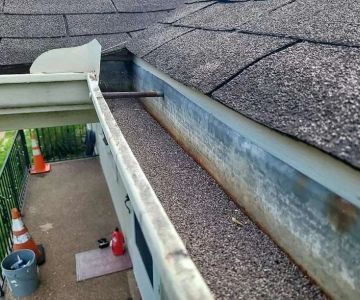
Clogged gutters and weakened roof edges can increase wind pressure on shingles. Keeping these areas clear helps maintain structural stability.
Material upgrades
In high-wind regions, upgrading to impact-resistant or architectural shingles can provide stronger durability and reduce future repair frequency.
7. Understanding the Real Value Behind Repair Costs
The true value of understanding asphalt shingle blow-off repair cost goes beyond pricing—it helps homeowners make informed decisions during urgent situations. Knowing what affects cost allows for better contractor evaluation and prevents overpaying for minor repairs.
BeachCo Roofing Hub encourages homeowners to think of roofing maintenance as a long-term investment rather than a reactive expense. Small patch repairs, when handled correctly, preserve roof integrity and extend lifespan significantly.
In many cases, the difference between a quick repair and a major replacement comes down to timing and awareness. Addressing issues early ensures that small wind damage does not evolve into structural roofing failure.
 Precision Roofing Company.5.0 (3 reviews)
 Pyramid Roofing0.0 (0 reviews)
 NJ Commercial and Industrial Roofing Paramus5.0 (2 reviews)
 Pesantez home Renovations inc.5.0 (5 reviews)
 Contractor of Southbury5.0 (4 reviews)
 GT Restoration5.0 (32 reviews)
 How to Read a Roofing Estimate: Understanding Line Items and Avoiding Hidden Fees
 How to Repair a Roof Leak from a Skylight
 The Lifespan of a Roof Under Constant Freeze-Thaw Cycles – Key Factors to Consider
 What is a Roofing Project Closeout Package? Essential Documents You Should Receive
 What is a Roofing Material Recycling Program? Eco-Friendly Disposal
 How to Repair a Roof Leak in a Building with a Slate Roof