
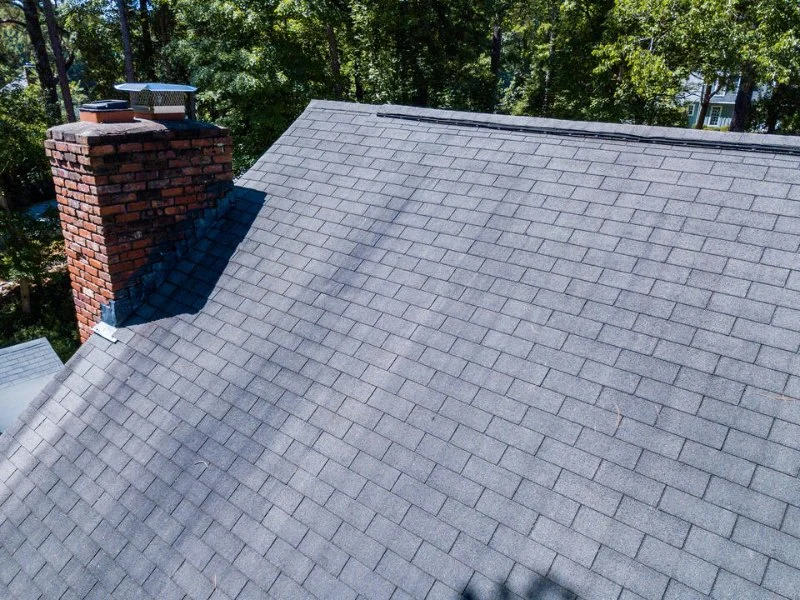
- - Asphalt Shingle Thickness Guide: Understanding Roofing Layers and Construction
- - Asphalt Shingle Thickness Guide: 3-Tab Shingles and Their Structural Limits
- - Asphalt Shingle Thickness Guide: Architectural Shingles and Dimensional Strength
- - Asphalt Shingle Thickness Guide: Premium Shingles and High-End Roofing Systems
- - Asphalt Shingle Thickness Guide: Real Homeowner Case Study and Roof Upgrade Story
- - Asphalt Shingle Thickness Guide: Climate, Weather, and Performance Factors
- - Asphalt Shingle Thickness Guide: Cost Differences and Long-Term Value
- - Asphalt Shingle Thickness Guide: Choosing the Right Option for Your Home
Asphalt Shingle Thickness Guide: Understanding Roofing Layers and Construction
When homeowners in the United States begin planning a roof replacement, one of the most overlooked yet critical factors is shingle thickness. The Asphalt Shingle Thickness Guide helps explain why thickness is not just a technical detail but a major indicator of durability, weather resistance, and long-term value.
Asphalt shingles are built in layers. These layers determine how well the roof withstands wind, rain, UV exposure, and temperature changes. A thicker shingle generally means more material, more weight, and more resistance to harsh environmental conditions.
Understanding this concept early allows homeowners to make informed decisions instead of focusing only on color or price. Roofing is not just about appearance; it is about structural protection that lasts decades.
ELITEX ROOFING
WaterburyNaugatuck Valley Planning RegionConnecticut
165 Long Hill Rd, Waterbury, CT 06704, USA
Asphalt Shingle Thickness Guide: 3-Tab Shingles and Their Structural Limits
Simple design with minimal layering
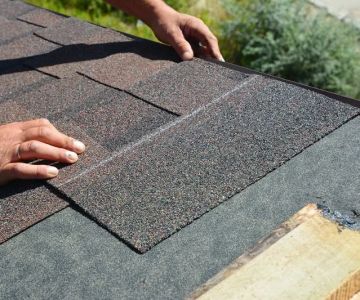
3-tab shingles are the most basic roofing option in the asphalt category. They are named for their flat, uniform appearance that gives the illusion of three separate pieces per strip. In reality, they are a single layer of material.
This single-layer structure is what makes them thinner and more affordable, but also less durable compared to other options. They are often chosen for budget-conscious projects or temporary roofing solutions.

Performance in real weather conditions
In mild climates, 3-tab shingles can perform adequately for many years. However, in regions with strong winds, heavy rain, or frequent storms, their thinner construction can become a limitation.
Homeowners often report that edges may curl or tabs may lift over time, especially after repeated exposure to extreme heat cycles.
Why some homeowners still choose them
Despite their limitations, 3-tab shingles remain popular due to their lower upfront cost. For rental properties or short-term ownership plans, they can still be a practical solution.
However, when evaluating long-term investment, the Asphalt Shingle Thickness Guide consistently shows that thicker alternatives often provide better value over time.
Asphalt Shingle Thickness Guide: Architectural Shingles and Dimensional Strength
Multi-layer construction for enhanced durability
Architectural shingles, sometimes called dimensional shingles, are a major step up from 3-tab designs. They are built using multiple layers of asphalt, creating a thicker and more textured appearance.
This added thickness is not just cosmetic. It improves wind resistance, impact durability, and overall lifespan. Many modern homes in the U.S. now use architectural shingles as a standard roofing choice.
Real-world performance advantage
One of the most noticeable benefits of architectural shingles is their ability to withstand harsh weather conditions. In hurricane-prone areas or regions with heavy snowfall, they tend to perform significantly better than 3-tab shingles.
Homeowners often notice fewer repairs and less frequent maintenance, which contributes to long-term savings.
Visual appeal and home value impact
Beyond performance, architectural shingles offer a more premium aesthetic. Their layered design creates depth and shadow, giving roofs a more high-end appearance.
Real estate agents often highlight this upgrade as a value booster during home sales, as curb appeal plays a major role in buyer perception.
Asphalt Shingle Thickness Guide: Premium Shingles and High-End Roofing Systems
Maximum thickness and engineered protection
Premium shingles represent the highest level of asphalt roofing technology. These shingles are designed with advanced materials, heavier construction, and enhanced protective coatings.
They are significantly thicker than both 3-tab and architectural shingles, often mimicking the look of slate or cedar shake roofing.
Long-term durability and warranty benefits
Premium shingles are built for longevity. Many manufacturers offer extended warranties due to their resistance to wind, algae growth, and UV degradation.
In some cases, they can last decades longer than basic roofing materials when properly installed and maintained.
Luxury roofing and performance expectations
Homeowners who choose premium shingles are often investing in both aesthetics and performance. These roofs are commonly found in high-value homes where durability and visual impact are equally important.
The Asphalt Shingle Thickness Guide shows that while the initial cost is higher, the long-term performance often justifies the investment.
Asphalt Shingle Thickness Guide: Real Homeowner Case Study and Roof Upgrade Story
A coastal Florida roofing challenge
A homeowner in coastal Florida experienced repeated roof damage during hurricane seasons. Initially, their home was fitted with 3-tab shingles, which struggled under strong winds and heavy rain exposure.
After multiple repairs, they decided to upgrade to architectural shingles. The difference in performance was noticeable almost immediately during the next storm season.
Long-term results after upgrading
The upgraded roof showed significantly better wind resistance and reduced maintenance needs. Over time, the homeowner saved money on repairs, despite the higher initial installation cost.
This real-life example demonstrates why thickness plays a critical role in roofing performance and why homeowners often reconsider their choices after experiencing severe weather.
Asphalt Shingle Thickness Guide: Climate, Weather, and Performance Factors
How environment affects roofing lifespan
Climate is one of the most important factors when choosing shingle thickness. Hot, sunny regions may cause faster material degradation, while cold climates introduce freeze-thaw stress.
Thicker shingles generally handle these environmental stresses better because they contain more protective material layers.
Wind resistance and storm protection
Wind uplift is a major concern in roofing systems. Architectural and premium shingles tend to have higher wind ratings compared to 3-tab options.
This makes them more suitable for storm-prone areas, especially along coastal regions or open plains.
Asphalt Shingle Thickness Guide: Cost Differences and Long-Term Value
Upfront cost vs lifetime investment
One of the biggest considerations for homeowners is cost. 3-tab shingles are the least expensive, followed by architectural, and then premium shingles at the top tier.
However, the cheapest option is not always the most economical in the long run. Frequent repairs and shorter lifespan can increase total ownership costs.
Value analysis over time
When evaluating roofing as a long-term investment, thicker shingles often provide better value due to reduced maintenance and longer replacement cycles.
Many roofing professionals recommend considering total lifecycle cost rather than just installation price.
Asphalt Shingle Thickness Guide: Choosing the Right Option for Your Home
Matching roofing choice with property needs
The right choice depends on multiple factors including budget, climate, home design, and long-term ownership plans. For short-term use, 3-tab shingles may be sufficient.
For most American homeowners, architectural shingles strike a balance between affordability and durability, making them the most popular choice nationwide.
When premium shingles make sense
Premium shingles are best suited for homeowners who want maximum durability, luxury appearance, and long-term investment value. They are especially beneficial in extreme weather regions.
Roofing experts from services like BeachCo Roofing Hub often emphasize that selecting the right thickness is one of the most important decisions in any roof replacement project.
Final practical perspective from field experience
Many roofing contractors note that homeowners who initially choose the cheapest option often reconsider after experiencing maintenance issues. This reinforces the importance of understanding the Asphalt Shingle Thickness Guide before making a final decision.
 Guaillas Roofing Inc.4.0 (172 reviews)
 Wisebuild Construction Dumont Contractors0.0 (0 reviews)
 Lifetime Roofing Systems0.0 (0 reviews)
 Tecta America New England LLC4.0 (4 reviews)
 ILIR'S CONSTRUCTION LLC5.0 (26 reviews)
 Ridley Roofing4.0 (27 reviews)
 How to Install a Roof Cricket Behind a Complex Wall Intersection
 What is a Roofing Bond and Why is it Important for Large Projects?
 How to Prevent Roof Damage from Nesting Birds and Pests
 How to Install a Roof Underlayment for Maximum Water Protection
 How to Install Roof Heat Cable on a Metal Roof to Prevent Ice
 How to Choose the Best Roofing Material for a Shady, Damp Environment