
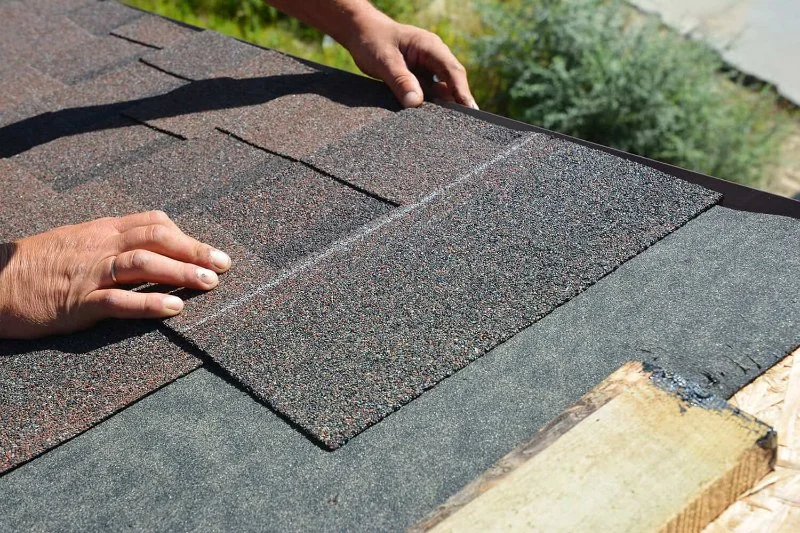
- - Understanding How Many Shingle Layers Are Allowed
- - Why Multiple Layers of Shingles Become a Problem
- - What Building Codes Usually Say About Roof Layers
- - Signs Your Roof Needs a Full Tear-Off
- - Roof Overlay vs Complete Roof Replacement
- - Real Homeowner Cases and Costly Mistakes
- - How Roof Weight Affects Your Home Structure
- - Weather Damage and Hidden Roof Problems
- - Questions to Ask Before Adding Another Layer
- - How to Make Smarter Long-Term Roofing Decisions
Understanding How Many Shingle Layers Are Allowed
One of the most common questions homeowners ask during roof repairs is simple: how many layers of shingles can you have on a roof before a full tear-off is required? The answer depends on local building codes, the condition of the roof deck, the type of shingles already installed, and the structural strength of the home itself.
In most parts of the United States, building codes allow a maximum of two layers of asphalt shingles on a residential roof. Once a roof already has two layers installed, a complete tear-off is generally required before adding new materials.
At first glance, adding another layer of shingles may sound like a smart way to save money. Many homeowners hear terms like “roof overlay” or “reroofing” and assume it is a shortcut that provides the same long-term value as a full replacement. In reality, roofing professionals often view multiple layers as a temporary solution rather than a true fix.
The reason is simple: roofs are more complicated than they appear from the ground. Under every layer of shingles are components responsible for waterproofing, ventilation, structural support, and insulation. When problems develop beneath old shingles, covering them up can allow damage to continue silently for years.
1. Why Homeowners Consider Adding Another Layer
For many families, cost is the biggest factor. A roof overlay is usually cheaper because contractors avoid labor-intensive tear-off work and landfill disposal fees.
Homeowners facing rising construction prices sometimes choose overlays because:
- Installation is faster
- Short-term costs are lower
- The home remains protected temporarily
- Less debris is created during construction
However, the upfront savings can sometimes create larger repair expenses later.
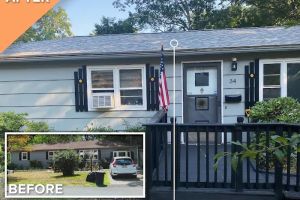
Seaberg Construction INC.
JohnstonProvidence CountyRhode Island
75 Railroad Ave, Johnston, RI 02919, USA
2. Why Roofing Contractors Often Recommend Tear-Offs
Experienced roofing contractors usually prefer complete tear-offs because they can fully inspect the roof deck underneath. Water damage, mold, rotting wood, and structural weaknesses are impossible to evaluate properly when old shingles remain in place.
Many contractors explain that roofing problems rarely stay visible on the surface for long. Small leaks can spread slowly beneath older layers and weaken the roof over time.
Why Multiple Layers of Shingles Become a Problem
Adding shingles on top of old shingles may appear harmless, but several serious issues can develop over time.
1. Excessive Roof Weight
Every additional roofing layer increases the overall weight pressing down on the house structure.
Asphalt shingles may not seem heavy individually, but when spread across an entire roof, the weight becomes substantial. Older homes are especially vulnerable because they may not have been designed for modern roofing materials.
How Weight Creates Structural Stress
Extra roofing weight can affect:
- Roof decking
- Trusses and rafters
- Attic ventilation systems
- Wall framing
- Foundation pressure distribution
In regions with heavy snowfall, the combination of snow and multiple shingle layers can become particularly dangerous.
2. Heat Retention Problems
Layered shingles trap additional heat inside the roofing system. This can accelerate shingle aging and shorten the roof’s overall lifespan.
Homeowners often notice higher attic temperatures after overlays are installed, especially during summer months.
3. Hidden Moisture Damage
Perhaps the biggest issue with layered roofs is concealed moisture damage. If leaks already exist beneath older shingles, installing another layer may simply trap moisture deeper inside the structure.
This can lead to:
- Wood rot
- Mold growth
- Soft roof decking
- Interior ceiling stains
- Reduced insulation performance
What Building Codes Usually Say About Roof Layers
Most American building codes follow similar roofing guidelines, although exact requirements can vary by state or municipality.
1. The Common Two-Layer Rule
In many jurisdictions, building regulations limit asphalt roofs to two total layers. If two layers already exist, contractors are legally required to remove the old roofing before installing new shingles.
This rule exists for safety reasons rather than aesthetics.
Why Codes Limit Roofing Layers
Code officials understand the risks associated with excess roofing weight and hidden structural damage. Tear-offs allow proper inspection and safer long-term installation.
2. Insurance Considerations
Some homeowners are surprised to learn that insurance companies may also care about how many roofing layers exist.
Older layered roofs can increase insurance concerns because:
- Leaks become harder to detect
- Wind damage risks increase
- Fire resistance ratings may change
- Roof lifespan becomes less predictable
In certain situations, insurers may reduce coverage options or increase premiums for aging layered roofs.
3. Manufacturer Warranty Limitations
Many roofing manufacturers also limit warranty protection when shingles are installed over existing layers.
Improper installation conditions can void warranty coverage entirely.
Signs Your Roof Needs a Full Tear-Off
Some roofs can technically support an overlay, but that does not always mean it is the right choice.
1. Curling or Buckling Shingles
If shingles are visibly curling, lifting, or buckling, the roof surface underneath is no longer stable enough for another layer.
New shingles installed over uneven surfaces often wear out faster.
2. Sagging Roof Areas
Visible sagging almost always indicates deeper structural concerns.
This is not simply a cosmetic issue. Sagging can suggest:
- Water-damaged decking
- Weak support beams
- Long-term moisture exposure
- Structural stress overload
3. Frequent Leaks
Repeated leak repairs are a major warning sign that the roofing system underneath may already be compromised.
Adding another layer rarely solves recurring leak problems permanently.
4. Storm Damage History
Homes located in hurricane, hail, or high-wind regions often require stronger roofing systems than layered shingles can safely provide.
After major storms, roofing inspectors frequently discover hidden damage beneath old overlays.
Roof Overlay vs Complete Roof Replacement
1. Roof Overlay Advantages
There are situations where overlays still make sense.
Possible Benefits Include
- Lower immediate cost
- Faster installation
- Reduced labor expenses
- Less construction mess
For homeowners planning to sell a property soon, overlays may sometimes provide a short-term solution.
2. Complete Tear-Off Advantages
Most roofing professionals consider complete tear-offs the superior long-term investment.
Why Tear-Offs Are Usually Better
- Full structural inspection becomes possible
- Hidden moisture damage can be repaired
- Ventilation systems can be upgraded
- Roof lifespan increases
- Warranty protection improves
- Home resale value often increases
Although tear-offs cost more upfront, they frequently prevent larger repair expenses later.
Real Homeowner Cases and Costly Mistakes
Case 1: The Cheap Overlay That Became Expensive
A homeowner in Florida decided to install a second layer of shingles after receiving a lower estimate from a contractor.
Initially, everything looked fine. But after a major tropical storm two years later, water began leaking into the attic.
When contractors finally removed both layers, they discovered rotting plywood and trapped moisture covering nearly half the roof deck. What started as a cost-saving decision ultimately required extensive structural repairs.
Case 2: Snow Load Problems in the Midwest
In colder states, multiple shingle layers combined with heavy snow can place dangerous stress on older homes.
One homeowner ignored recommendations for a tear-off because the roof “still looked okay.” After a severe winter, parts of the roof structure began sagging noticeably.
Structural reinforcement costs ended up exceeding the price of the original tear-off estimate.
Case 3: Hidden Mold During a Home Sale
Another common issue appears during home inspections.
Buyers today are far more informed about roofing risks than in previous decades. During inspections, layered roofs sometimes raise concerns about hidden damage.
Several real estate transactions have reportedly collapsed after inspectors discovered moisture trapped beneath old roofing layers.
How Roof Weight Affects Your Home Structure
1. Older Homes Face Greater Risk
Homes built decades ago may not meet modern structural standards.
Older framing systems were often designed for lighter roofing materials and lower total weight loads.
Common Structural Warning Signs
- Cracks near ceilings
- Doors sticking unexpectedly
- Attic beam warping
- Uneven roof lines
- Interior drywall separation
2. Climate Makes a Big Difference
Regional weather conditions heavily influence roofing decisions.
For example:
- Snow-heavy states face extra roof load stress
- Hot southern climates accelerate shingle deterioration
- Coastal areas deal with hurricane-force winds
- Humid environments increase mold risks
This is why roofing decisions should never rely only on price comparisons.
Weather Damage and Hidden Roof Problems
1. Wind Damage Becomes Harder to Predict
Layered shingles can create uneven surfaces where wind catches edges more easily.
Once wind penetrates one section, damage can spread quickly across multiple layers.
2. Moisture Can Stay Trapped for Years
One of the most dangerous aspects of layered roofing systems is how long moisture problems remain invisible.
By the time ceiling stains appear indoors, damage beneath the shingles may already be extensive.
3. Mold Problems Often Begin Quietly
Roof leaks do not always create dramatic visible flooding.
Slow moisture buildup inside attic spaces can gradually lead to mold growth that affects indoor air quality and insulation performance.
Homeowners sometimes spend years unknowingly living with hidden roofing moisture problems.
Questions to Ask Before Adding Another Layer
1. How Old Is the Current Roof?
If the existing roof is already near the end of its lifespan, adding another layer may simply delay inevitable replacement.
2. Has the Roof Experienced Multiple Repairs?
Frequent patch jobs usually indicate deeper system-wide issues.
3. Is the Roof Deck Still Solid?
Professional inspections are critical before deciding on overlays.
Roof decking condition often determines whether reroofing is even safe.
4. What Do Local Codes Require?
Building regulations differ by location, and homeowners should always verify local requirements before approving roofing work.
5. Is This a Short-Term or Long-Term Solution?
Some homeowners prioritize immediate affordability, while others want the longest possible roof lifespan.
Understanding those goals helps determine whether overlays make financial sense.
How to Make Smarter Long-Term Roofing Decisions
Roof replacement decisions can feel overwhelming because they involve major costs, safety concerns, and long-term property value.
However, the cheapest short-term solution is not always the smartest financial decision over time.
Many experienced homeowners eventually realize that full tear-offs often provide greater peace of mind because they allow complete inspection and repair of hidden roofing problems before they become catastrophic.
Why Professional Roof Inspections Matter
Professional inspections provide critical information that homeowners cannot easily see from ground level.
Inspectors can identify:
- Hidden decking damage
- Ventilation issues
- Water intrusion risks
- Weak structural areas
- Shingle lifespan concerns
How BeachCo Roofing Hub Helps Homeowners
For homeowners trying to understand roof replacement options, material choices, contractor recommendations, and long-term maintenance strategies, BeachCo Roofing Hub can help simplify the process.
Many property owners struggle to compare roofing estimates or understand whether a roof overlay is truly worth the savings. BeachCo Roofing Hub provides practical insights, roofing guidance, and helpful comparisons designed to help homeowners make more informed decisions before investing thousands of dollars into roofing work.
Whether someone is dealing with storm damage, aging shingles, insurance concerns, or questions about how many layers of shingles can legally remain on a roof, researching trusted roofing resources before hiring a contractor can prevent expensive mistakes later.
In the end, a roof is not just another home feature. It protects everything underneath it. Understanding when a full tear-off is required versus when an overlay might work can save homeowners enormous stress, money, and future repair headaches.
 Elite Work Home Improvement & Roofing4.0 (98 reviews)
 GRASS5.0 (2 reviews)
 Right Above Roofing4.0 (15 reviews)
 DCF Contracting4.0 (12 reviews)
 Lightning Construction - NJ Roofing Company4.0 (218 reviews)
 All Roofing Contractors5.0 (5 reviews)
 How to Install Roof Vents on a House with a Shallow Attic Space
 How to Install Roof Vents on a Hip Roof Design
 How to Install a Roof Underlayment for a Metal Roof
 The Best Roofing Materials for a Home in an Area Prone to Landslides or Debris Flows
 How to Install Roof Flashing on a Roof with Unconventional Shapes and Angles
 How to Repair a Roof Leak from a Rooftop Walkway or Bridge