- Why Metal Roof Gauge Matters for Homeowners
- Understanding Metal Roof Gauge System
- 24 Gauge Metal Roofing Strength and Use Cases
- 26 Gauge Metal Roofing Balanced Performance Option
- 29 Gauge Metal Roofing Lightweight Budget Choice
- Side-by-Side Comparison of 24, 26, and 29 Gauge
- How Climate Affects Metal Roof Gauge Choice
- Cost Differences Between Different Metal Roof Gauges
- Real Homeowner Experiences With Metal Roofing
- Installation Factors That Matter as Much as Gauge
- How to Choose the Right Metal Roof for Your Home
- Long-Term Value and Roof Performance Considerations
Why Metal Roof Gauge Matters for Homeowners
When homeowners begin researching metal roofing systems, one of the first confusing terms they encounter is “gauge.” It sounds technical, and in many ways it is—but it directly impacts how long a roof lasts, how it performs in storms, and how much it costs.
Understanding metal roof gauges explained clearly is essential before making a long-term investment in a residential roof.
For most homeowners, the difference between 24 gauge, 26 gauge, and 29 gauge steel roofing is not just a technical detail. It can influence durability during storms, resistance to dents, energy efficiency, and even resale value.
This is why roofing professionals often spend time educating clients before recommending a specific panel thickness.

Capital City Contractors
HyattsvillePrince George's CountyMaryland
3702 Oliver St, Hyattsville, MD 20782, USA
Why Gauge Confuses Many Homeowners
The biggest confusion comes from the fact that gauge numbers work backwards. A lower number actually means thicker steel.
So:
- 24 gauge = thickest and strongest
- 26 gauge = mid-range option
- 29 gauge = thinner and more budget-friendly
This counterintuitive system often leads homeowners to assume higher numbers are better, which is not the case.
Synergy Skylights and Roof Replacement
HollistonMiddlesex CountyMassachusetts
24 Water St Unit 4-21, Holliston, MA 01746, USA
Real Roofing Decision Moment
A homeowner in a coastal region once shared that they initially chose a lower-cost 29 gauge roof without understanding the long-term implications. After a strong windstorm season, they noticed visible denting and panel movement.
That experience led them to upgrade to a thicker gauge during a later renovation, emphasizing how important informed decisions can be.
Understanding Metal Roof Gauge System
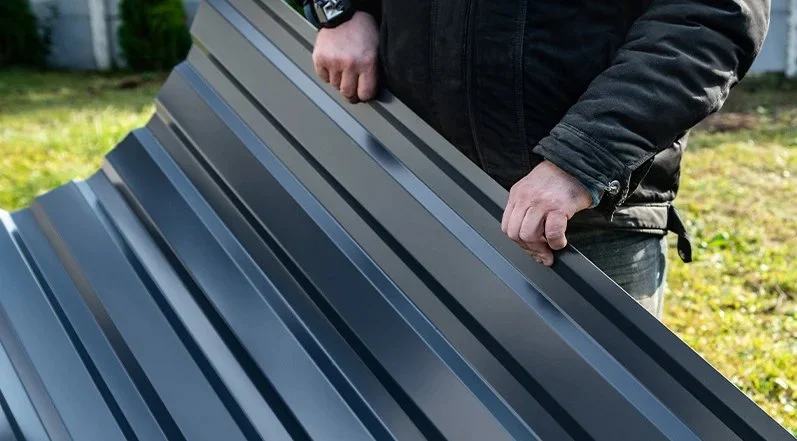
Metal roof gauge refers to the thickness of the steel sheet used in roofing panels. Thickness directly affects performance, weight, and durability.
How Gauge Is Measured
Gauge is not a direct millimeter measurement but rather a standardized system used in steel manufacturing.
In residential roofing, common gauges include:
- 24 gauge steel
- 26 gauge steel
- 29 gauge steel
Each step down in number represents a thicker, more durable panel.
Why Thickness Changes Performance
Thicker steel improves:
- Resistance to hail impact
- Wind uplift performance
- Structural stability
- Long-term corrosion resistance
Thinner steel reduces cost but may increase vulnerability in harsh environments.
Residential Roofing Considerations
For residential homes, balancing cost and durability is key. Not every home requires the thickest gauge, but choosing too thin a material can lead to premature wear.
24 Gauge Metal Roofing Strength and Use Cases
24 gauge metal roofing is considered the premium residential and light commercial option.
High Durability Performance
This thickness provides strong resistance to:
- Heavy snow loads
- High winds
- Hail storms
- Impact damage
It is often used in areas with severe weather conditions.
Ideal Applications
24 gauge roofing is commonly chosen for:
- Coastal homes
- Storm-prone regions
- Luxury residential properties
- Long-term investment homes
Long-Term Value Perspective
While more expensive upfront, 24 gauge roofs often last significantly longer, reducing replacement frequency.
Homeowner Experience Example
A homeowner in a hurricane-prone region reported that their 24 gauge roof remained intact through multiple severe storms while neighboring asphalt roofs required repairs.
26 Gauge Metal Roofing Balanced Performance Option
26 gauge steel is the most commonly used residential metal roofing option in many parts of the United States.
Balanced Strength and Cost
It provides a middle ground between durability and affordability.
Homeowners often choose it when they want solid protection without premium pricing.
Performance Characteristics
- Good wind resistance
- Moderate impact protection
- Reliable lifespan for most climates
It is suitable for standard residential homes in moderate weather regions.
Why Contractors Recommend It Often
Roofing contractors frequently suggest 26 gauge because it performs well in most environments without excessive cost increases.
Real-World Usage Insight
A suburban homeowner who replaced an aging shingle roof with 26 gauge metal panels noted improved indoor cooling efficiency and reduced maintenance needs.
29 Gauge Metal Roofing Lightweight Budget Choice
29 gauge steel is the thinnest common option used in residential roofing systems.
Cost-Effective Entry Point
This option is often selected by homeowners seeking lower upfront installation costs.
It is widely used in:
- Sheds
- Garages
- Light residential structures
- Low-risk climate regions
Performance Limitations
While affordable, 29 gauge roofing may be more prone to:
- Denting from hail
- Wind-related flexing
- Shorter lifespan compared to thicker gauges
When It Makes Sense
It can be appropriate for homeowners in mild climates who prioritize budget over long-term durability.
Practical Example
A homeowner installing a detached workshop chose 29 gauge roofing due to cost constraints, later upgrading their main house roof to a thicker gauge for better long-term performance.
Side-by-Side Comparison of 24, 26, and 29 Gauge
Durability Differences
- 24 gauge: Highest durability
- 26 gauge: Balanced durability
- 29 gauge: Basic durability
Cost Differences
Cost typically decreases as gauge number increases.
- 24 gauge: Highest cost
- 26 gauge: Mid-range cost
- 29 gauge: Lowest cost
Best Use Scenarios
- 24 gauge: extreme weather protection
- 26 gauge: general residential use
- 29 gauge: budget or light structures
Longevity Expectations
Thicker gauges generally offer longer lifespan and reduced maintenance requirements.
How Climate Affects Metal Roof Gauge Choice
Climate plays a major role in determining the best roofing thickness.
Harsh Weather Regions
Areas with heavy snow, hurricanes, or hail storms benefit from thicker steel such as 24 gauge.
Moderate Climates
26 gauge is often ideal for regions with balanced seasonal conditions.
Warm and Mild Regions
29 gauge may be sufficient in areas with minimal severe weather exposure.
Energy Efficiency Considerations
Metal roofing reflects heat, and thickness can influence insulation performance indirectly.
Cost Differences Between Different Metal Roof Gauges
Material Cost Impact
Thicker steel costs more to manufacture and transport.
Installation Labor Considerations
Heavier panels may require more skilled handling and installation precision.
Long-Term Savings Factor
Although upfront costs vary, thicker gauges may reduce long-term repair and replacement expenses.
BeachCo Roofing Hub Insight
For homeowners comparing roofing systems, BeachCo Roofing Hub often highlights that selecting the right gauge is not just about price but about lifecycle value and environmental suitability.
Real Homeowner Experiences With Metal Roofing
Storm Resistance Success Story
A homeowner in a storm-heavy region reported that switching from asphalt shingles to 24 gauge metal roofing eliminated recurring storm damage repairs.
Budget vs Performance Tradeoff
Another homeowner initially chose 29 gauge roofing but later upgraded after noticing denting from seasonal hail exposure.
Energy Efficiency Improvement
Several homeowners have noted reduced cooling costs after installing reflective metal roofing systems.
Installation Factors That Matter as Much as Gauge
Proper Fastening Systems
Even the best metal roofing can fail if installed incorrectly.
Underlayment Quality
A strong underlayment improves moisture resistance significantly.
Roof Pitch Considerations
Steeper roofs shed water and snow more efficiently.
Contractor Experience
Experienced installers ensure proper alignment, sealing, and long-term durability.
How to Choose the Right Metal Roof for Your Home
Choosing between 24, 26, and 29 gauge depends on multiple factors:
- Local climate conditions
- Budget constraints
- Expected home ownership duration
- Aesthetic preferences
- Maintenance expectations
A thoughtful evaluation ensures better long-term satisfaction and fewer unexpected repairs.
Long-Term Value and Roof Performance Considerations
Metal roofing remains one of the most durable residential roofing systems available today. However, the performance difference between 24 gauge, 26 gauge, and 29 gauge steel can significantly impact long-term outcomes.
Homeowners who invest time in understanding metal roof gauges explained often make better decisions that align with both budget and environmental demands.
Whether choosing premium 24 gauge protection, balanced 26 gauge versatility, or budget-friendly 29 gauge panels, the key is matching material strength with real-world conditions.
For homeowners exploring roofing upgrades, comparisons, or full installations, BeachCo Roofing Hub provides helpful guidance and roofing solutions designed to match different residential needs and performance expectations.

 Reyes roofing5.0 (101 reviews)
 Extreme Remodeling of NY2.0 (5 reviews)
 Central Exteriors4.0 (337 reviews)
 My Roofing Contractor5.0 (34 reviews)
 Bentley Roofing Services5.0 (6 reviews)
 Miller & Sons Roofing & Remodeling4.0 (39 reviews)
 How to Identify and Repair Roof Damage from Long-Term Ponding Water on Flat Roofs
 How to Choose a Roofing Material for a Building Exposed to Saltwater Spray
 What is a Roofing Material Sustainability Certification? (e.g., LEED, Cool Roof)
 How to Install a Roof Vent for a Gas Water Heater or Furnace: A Step-by-Step Guide
 The Complete Guide to Roofing Insurance Claims: How to Get Your Claim Approved
 Wind Damage to Roofs: How to Identify Lifted Shingles and Damaged Flashing