
- 1-importance-of-roofing-material-storage-plan
- 2-key-components-of-an-on-site-storage-plan
- 3-best-practices-for-material-protection
- 4-real-life-examples-of-effective-storage
- 5-maintenance-and-monitoring-tips
1. Importance of a Roofing Material Storage Plan
Proper organization of roofing materials on-site is essential to protect your investment and ensure project efficiency. Without a structured storage plan, materials are susceptible to damage from weather, theft, and accidental mishandling. BeachCo Roofing Hub stresses that a well-thought-out storage plan minimizes waste, reduces project delays, and maintains the quality of shingles, underlayment, and other roofing supplies throughout the construction process.
Top Deck Restoration
PortlandLower Connecticut River Valley Planning RegionConnecticut
130 Marlborough St, Portland, CT 06480, USA
2. Key Components of an On-Site Storage Plan
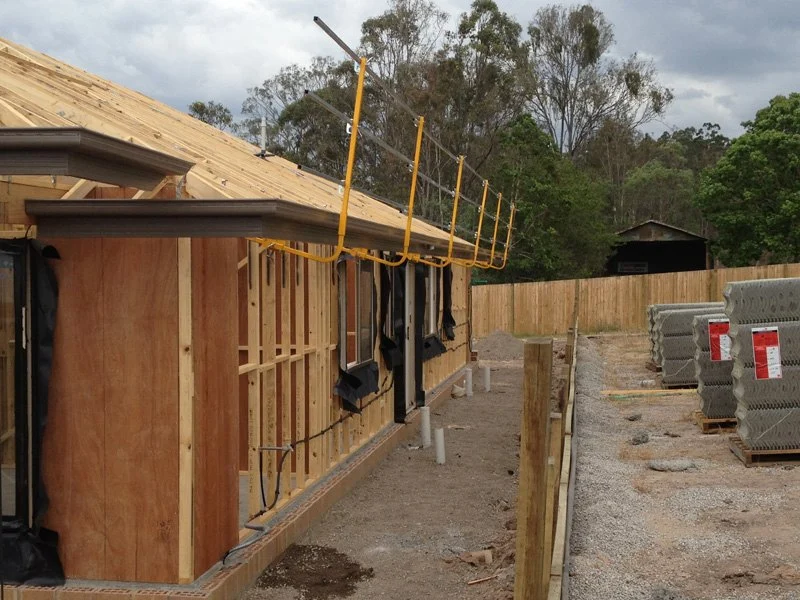
An effective roofing material storage plan involves several critical elements. First, designate a secure, flat area away from high-traffic zones and potential water accumulation. Second, organize materials by type and delivery schedule to streamline access during installation. Third, use protective covers and pallets to prevent moisture damage and maintain ventilation. BeachCo Roofing Hub highlights the importance of documenting inventory to track material usage and avoid shortages or overstocking.

MDE Construction
King of PrussiaMontgomery CountyPennsylvania
198 Crest Way, King of Prussia, PA 19406, USA
3. Best Practices for Material Protection
To safeguard roofing supplies, elevate materials off the ground with pallets or racks, cover them with waterproof tarps, and ensure proper ventilation to prevent mold or warping. Avoid stacking materials too high to prevent crushing or tipping. Additionally, scheduling deliveries close to installation times reduces the risk of prolonged exposure to adverse weather conditions. Implementing these practices ensures long-lasting materials and smoother project execution, as recommended by BeachCo Roofing Hub experts.
4. Real-Life Examples of Effective Storage
Consider a residential roofing project in Florida where frequent rain could damage exposed shingles. By following a structured on-site storage plan, the contractor organized shingles on elevated pallets under a tented cover, reducing water damage and ensuring timely installation. Another case in New York City involved a roofing crew tracking inventory digitally, which helped prevent over-ordering and saved both time and money. BeachCo Roofing Hub frequently shares these success stories to guide homeowners and contractors in implementing effective storage solutions.
5. Maintenance and Monitoring Tips
Regularly inspect stored materials to ensure protective covers are intact and that items remain dry and organized. Adjust storage layouts as roofing work progresses to maintain accessibility and safety. Additionally, maintain clear records of material conditions and usage to anticipate future storage needs. BeachCo Roofing Hub emphasizes ongoing monitoring as a key step in preventing damage, reducing costs, and protecting your property throughout any roofing project.



 Storm King Roofing Corp5.0 (21 reviews)
 1 DAY CONTRACTORS LLC4.0 (16 reviews)
 Argentina and Son Roofing4.0 (17 reviews)
 CARRIER ROOFING SIDING & WINDOWS5.0 (64 reviews)
 Unified Home Remodeling4.0 (42 reviews)
 Five K Construction Roofing & Remodeling5.0 (33 reviews)
 How to Install a Roof Cricket Behind a Complex Wall Intersection
 Roofing Warranties Explained: Manufacturer vs. Workmanship Coverage
 How to Install Roof Vents on a Cathedral Ceiling
 How to Install a Roof Vent for a Gas Water Heater or Furnace
 Best Roofing Materials and Costs for 2024 – Complete Guide
 How to Identify and Repair Roof Damage from Sand and Abrasive Dust in Arid Regions