
- Understanding Roof Damage in Arid Regions
- How Sand and Abrasive Dust Affect Roofs
- Identifying Symptoms of Roof Damage from Sand and Dust
- Steps to Repair Roof Damage Caused by Sand and Abrasive Dust
- Preventative Measures for Roof Protection in Arid Regions
- Where to Buy Roof Repair Products for Arid Regions
Understanding Roof Damage in Arid Regions
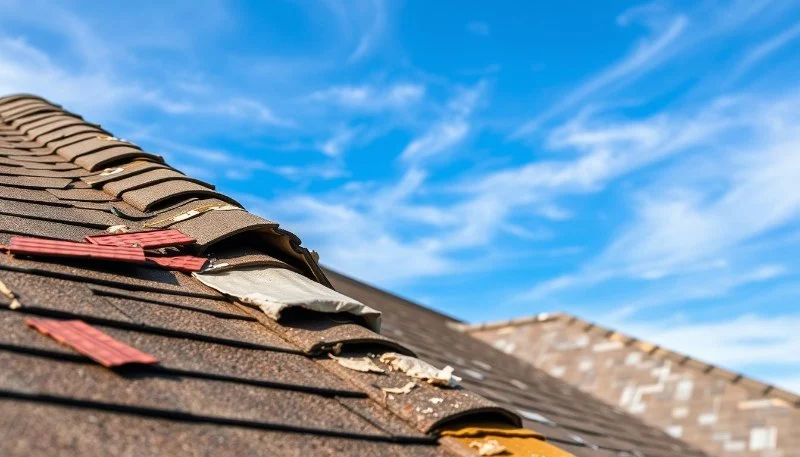
In arid regions, the harsh environment, characterized by frequent dust storms and high winds, can cause significant damage to roofs over time. Roofs in these areas are particularly vulnerable to the abrasive effects of sand and dust particles. These elements can wear down roofing materials, leading to leaks, degradation of sealants, and overall wear. It's essential to understand how these environmental factors affect roof integrity and take steps to mitigate the damage.

Advanced Roofing Siding
MadisonSouth Central Connecticut Planning RegionConnecticut
110 Franks Way, Madison, CT 06443, USA
How Sand and Abrasive Dust Affect Roofs
Sand and abrasive dust are carried by strong winds, and when these particles constantly impact your roof, they can wear down the roofing materials. The rough, gritty texture of sand can cause shingles, tiles, and other roofing surfaces to erode, compromising their ability to protect your home. Over time, this wear and tear can result in holes, cracks, and gaps that allow water to seep into the roof, causing leaks and further damage.

King Quality Roofing and Siding
HawthorneWestchester CountyNew York
6 Skyline Dr Unit 120, Hawthorne, NY 10532, USA
Identifying Symptoms of Roof Damage from Sand and Dust
There are several signs that can help you identify roof damage caused by sand and abrasive dust:
- Visible Wear and Tear: Sand and dust will gradually wear away the protective coating on roofing materials. You may notice discoloration, scuffs, or physical erosion of shingles or tiles.
- Leaks: If dust and sand have worn through your roofing material, water may start seeping through, causing leaks inside your home. Pay attention to water stains on ceilings or walls, especially after rainstorms.
- Cracked or Broken Tiles/Shingles: The impact of abrasive dust can cause tiles or shingles to crack or break, which may expose the roof's underlayers to further damage.
- Clogged Gutters: If you notice that your gutters are filled with fine sand and debris, it’s a sign that dust storms are likely causing roof damage by allowing abrasive particles to accumulate and erode roofing materials.
Steps to Repair Roof Damage Caused by Sand and Abrasive Dust
If you've identified roof damage from sand and abrasive dust, it’s crucial to take immediate action to prevent further deterioration. Here are the steps to repair roof damage:
- Step 1: Inspect the Roof Thoroughly – Before repairing, inspect the roof for any visible signs of damage, such as cracks, missing shingles, or signs of erosion. It’s important to check both the surface and underlying layers for any water penetration or structural damage.
- Step 2: Clean the Roof Surface – Remove any accumulated sand and dust from the roof. You can use a soft broom, air blower, or even a pressure washer on low settings to clear the debris. Cleaning the roof will prevent further abrasive damage during the repair process.
- Step 3: Replace Damaged Shingles or Tiles – If you notice cracked or broken shingles or tiles, replace them with new ones. Ensure that the replacement materials match the existing roofing to maintain a uniform appearance and effective protection.
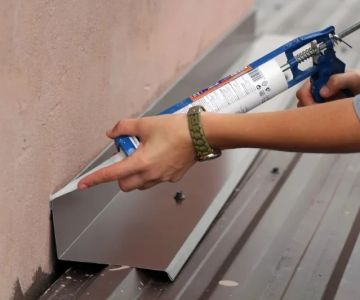
- Step 4: Repair Leaks and Gaps – Use roofing sealant or caulk to seal any gaps or cracks that have developed due to abrasive dust. Make sure the sealant is compatible with your roofing material and can withstand the harsh conditions of arid climates.
- Step 5: Check and Clean Gutters – Clogged gutters can prevent proper water drainage, leading to further damage. Clean out the gutters and remove any sand or debris that has built up. This will help water flow freely off the roof, reducing the risk of leaks.
Preventative Measures for Roof Protection in Arid Regions
To prevent future roof damage from sand and abrasive dust, consider the following preventative measures:
- Install a Protective Coating: Apply a weather-resistant coating to your roof that can help protect against abrasion from dust and sand. This will extend the lifespan of your roofing materials and reduce the frequency of repairs.
- Use Durable Roofing Materials: Choose roofing materials that are specifically designed for arid climates. Materials like metal roofing or clay tiles are often more resistant to the wear caused by abrasive dust than traditional shingles.
- Regular Roof Maintenance: Schedule regular roof inspections to identify and address any potential issues early. Preventative maintenance will ensure that your roof remains in good condition, reducing the likelihood of major damage.
- Install Gutter Guards: Installing gutter guards will prevent sand and debris from accumulating in your gutters, ensuring proper drainage and reducing the likelihood of clogging.
Where to Buy Roof Repair Products for Arid Regions
If you're looking for high-quality roofing products to repair damage caused by sand and abrasive dust, visit BeachCo Roofing Hub. We offer a range of roofing materials, including weather-resistant coatings, durable shingles, sealants, and tools that are ideal for roofs in arid climates. Visit BeachCo Roofing Hub today to find the right products for your roof repair and protection needs.

 Eagle Roofing & Gutters5.0 (44 reviews)
 Cephalo Roofing New Jersey5.0 (86 reviews)
 RoofPRO4.0 (249 reviews)
 It Commercial Roofing, Inc.5.0 (1 reviews)
 EAW Roofing and Construction Inc.4.0 (48 reviews)
 Wynnewood Roofing, Siding and Windows Company3.0 (4 reviews)
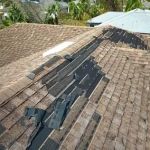 How to Repair a Roof Leak in a Building with a Living Green Roof
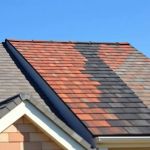 The Best Roofing Materials for Homes in Remote Locations with Limited Access
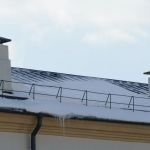 How to Install Roof Ice and Water Shield on Complex Roof Details
 The Average Cost of a Roof Warranty Extension Beyond Standard Terms
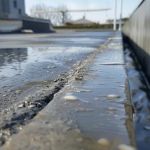 How to Identify and Fix a Leak in a Flat Roof Seam
 Flat Roof Repair: Identifying Issues and Choosing the Right Method