1. Understanding the Impact of Chemical Exposure on Roofs
Roof damage due to chemical exposure can occur over time, and often the effects are not immediately visible. Chemicals in cleaning products, industrial fumes, acid rain, and even household products can deteriorate roofing materials, weakening their structure and effectiveness. Understanding how these chemicals affect your roof is the first step in ensuring its longevity and performance. This article will guide you through identifying chemical damage and provide steps for repairing your roof to restore its integrity.
php-template复制代码2. Common Chemicals That Can Damage Roofs
Chemicals that are commonly found in the environment or used in everyday cleaning and maintenance can lead to severe roof damage. Some of the most common chemicals that affect roofing materials include:
- Acid Rain: Acid rain is a mixture of water and pollutants like sulfur dioxide and nitrogen oxides. These chemicals can corrode metal roofing, causing rust and weakening shingles.
- Household Cleaning Products: Harsh chemicals found in some household cleaners can strip away protective coatings on your roof, particularly on materials like asphalt shingles or tile.
- Industrial Fumes: Roofs located near industrial sites may be exposed to pollutants like volatile organic compounds (VOCs) and sulfur compounds that can cause gradual wear on the roofing material.
- Pesticides: The chemicals used to control pests can cause damage when they are sprayed near your roof, particularly if they come into contact with shingles or tiles.
3. How to Identify Roof Damage from Chemical Exposure
- Visible Signs of Chemical Damage
- Corrosion and Wear on Metal Roofs
- Shingle Damage from Chemicals
- Check for Leaks and Structural Issues
3.1 Visible Signs of Chemical Damage
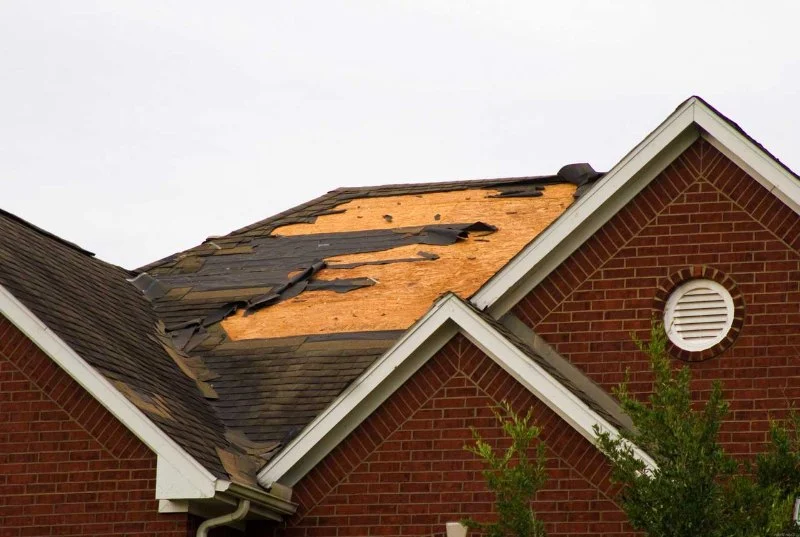
The first step in identifying chemical damage to your roof is to look for visible signs. These may include discoloration, streaks, or areas of wear and tear. For example, acid rain can cause patches of corrosion or faded areas on metal roofs. Shingles may show signs of cracking or warping, particularly in areas where chemicals have been exposed directly to the roofing material. These signs are the first indication that your roof may be at risk due to chemical exposure.
3.2 Corrosion and Wear on Metal Roofs
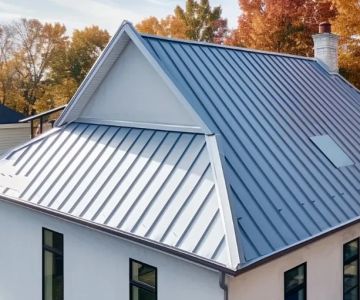
If you have a metal roof, look for signs of corrosion, such as rust spots, pitting, or discoloration. These can occur as a result of acid rain or industrial fumes that settle on your roof over time. Corrosion can weaken the structural integrity of the roof, making it more susceptible to leaks and further damage. Regularly inspecting your metal roof for early signs of corrosion can help prevent more extensive repairs down the line.
3.3 Shingle Damage from Chemicals
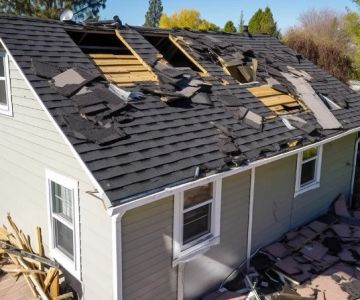
Certain chemicals, especially those from cleaning products, can degrade the protective layer of asphalt shingles. Look for signs such as curling, cracking, or blistering on the shingles. These signs are indicative of chemical damage to the shingle's surface, making them less effective at keeping moisture out. If left untreated, these damaged shingles can lead to leaks and water damage inside your home.
3.4 Check for Leaks and Structural Issues
Leaking is often the most obvious sign of roof damage. If chemicals have compromised your roof’s structure, moisture may be able to seep through the damaged areas, leading to water damage inside your home. Check for water stains on your ceilings or walls, which could indicate a leak. In some cases, mold or mildew may also begin to form, which is a direct result of prolonged exposure to moisture. If you notice any of these issues, it’s time to assess the roof further for chemical damage.
4. Repairing Roof Damage from Chemical Exposure
- Cleaning the Roof Surface
- Resealing or Replacing Damaged Shingles
- Rust Treatment for Metal Roofs
- When to Call a Professional
4.1 Cleaning the Roof Surface
The first step in repairing chemical damage is to clean the roof thoroughly. For asphalt shingles, use a mixture of water and mild soap to remove any chemical residues. A soft-bristle brush can help scrub away any built-up grime or pollutants without damaging the shingles. For metal roofs, a pressure washer can be effective for removing rust, dirt, and chemical stains. Be sure to follow the manufacturer’s instructions for cleaning to avoid causing further damage.
4.2 Resealing or Replacing Damaged Shingles
If you notice that shingles have become cracked or warped due to chemical exposure, they may need to be resealed or replaced. Resealing will help restore the waterproof barrier and prevent further damage. If the shingles are beyond repair, consider replacing them with new ones that are resistant to chemical damage. Choose high-quality shingles designed to withstand environmental factors such as acid rain and pollutants.
4.3 Rust Treatment for Metal Roofs
If your metal roof has developed rust or corrosion due to chemical exposure, treat it as soon as possible. Use a rust remover or wire brush to remove any rust, and then apply a rust-resistant coating to the affected areas. For more severe rust damage, it may be necessary to replace the affected sections of the metal roof to prevent further deterioration.
4.4 When to Call a Professional
While minor repairs can be handled by homeowners, more extensive roof damage from chemical exposure may require the expertise of a professional roofing contractor. If the damage is widespread or structural, it’s best to call a professional to ensure that repairs are done correctly and safely. A professional roofer can also help assess the extent of the damage and provide recommendations for long-term protection against future chemical exposure.
5. Protecting Your Roof from Future Chemical Damage
Once you’ve repaired any chemical damage, it’s important to take steps to prevent future issues. Regular roof inspections, particularly if your property is near an industrial area, can help detect early signs of damage. Consider applying a protective sealant to your roof to help shield it from environmental factors such as acid rain or industrial fumes. Additionally, using non-toxic cleaning products around your roof can help preserve its integrity.
6. Get the Right Roofing Products at BeachCo Roofing Hub
For high-quality roofing materials and products designed to protect your roof from chemical exposure, visit BeachCo Roofing Hub. They offer a wide range of roofing products, including sealants, rust inhibitors, and roofing tiles that are built to withstand harsh environmental conditions. Explore their selection today to ensure your roof is protected for years to come.

 FXS Roofing & Sheet Metal,LLC0.0 (0 reviews)
 PL Roof Repair and Replacement5.0 (26 reviews)
 AM PM Roofing4.0 (63 reviews)
 AZ Roofing4.0 (144 reviews)
 Richard Hammond Roofing5.0 (19 reviews)
 OCHOA ROOFING LLC0.0 (0 reviews)
 How to Prevent Roof Damage from Wind-Driven Rain
 Best Methods for Cleaning Roof Stains Without Damaging Shingles
 How to Repair a Roof Leak from a Rooftop Pedestrian Bridge Connection
 What is a Roofing Material Mock-Up Installation? Visualizing a Small Section
 How to Choose a Roofing Material for a Building in a Noise-Sensitive Area
 How to Install a Roof Underlayment for a Clay Tile Roof