
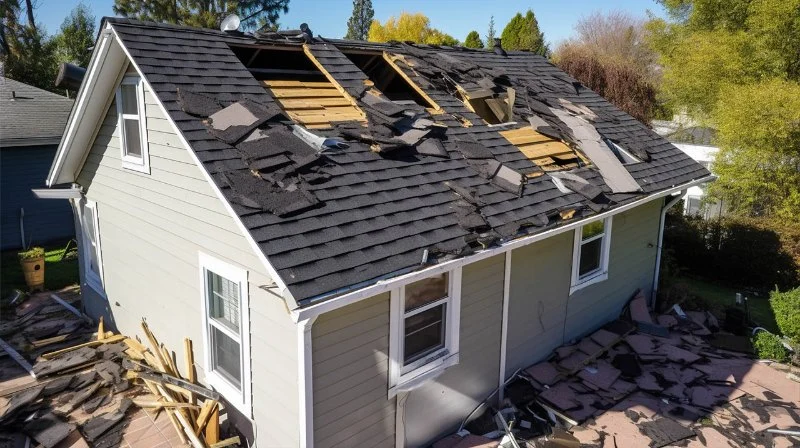
- earthquake-roof-damage-overview
- common-signs-of-earthquake-roof-damage
- how-earthquakes-affect-roof-structures
- step-by-step-roof-inspection-after-earthquake
- repair-options-for-earthquake-roof-damage
- when-to-call-professional-roofers
Understanding Roof Damage Caused by Earthquakes
Earthquakes don’t always announce roof damage with dramatic collapses. In many American homes, especially in seismic zones like California and the Pacific Northwest, roof damage develops quietly after the shaking stops. Small shifts in the structure, loosened fasteners, or cracked materials can slowly turn into leaks and structural risks if ignored.
Unlike storm damage, earthquake-related roof issues often stem from movement rather than impact. The roof system is forced to flex along with the walls and foundation, and that stress can weaken key connection points. Homeowners who understand how this damage occurs are far more likely to catch problems early and avoid costly repairs later.

Common Signs of Roof Damage After an Earthquake
After an earthquake, some roof problems are obvious, while others require a closer look. One of the most common warning signs is new or worsening leaks, especially after light rain that wouldn’t normally cause issues. These leaks often indicate shifted flashing or cracked roofing materials.
Another sign is visible misalignment. Ridge lines that appear uneven, gaps near roof edges, or shingles that no longer lie flat can all point to structural movement. Inside the home, cracks near ceiling corners, unusual popping sounds, or doors that suddenly stick may also signal roof-related stress.

Neighborhood Roofing Co.
South Brunswick TownshipMiddlesex CountyNew Jersey
461 Ridge Rd Suite 2, Monmouth Junction, NJ 08852, USA
How Earthquakes Affect Roof Structures
During an earthquake, a roof doesn’t fail all at once. Instead, repeated shaking causes nails to loosen, trusses to shift, and joints to weaken. Over time, this compromises the roof’s ability to distribute weight evenly. Flat roofs and older wood-framed roofs are particularly vulnerable because they rely heavily on consistent load balance.
A real-world example comes from Southern California, where homeowners after a moderate quake reported no immediate damage. Months later, many discovered sagging roof sections due to slow structural separation that began during the seismic event. This delayed damage is why post-earthquake inspections are so critical.
How to Inspect Your Roof After an Earthquake
A careful inspection should begin from the ground. Look for missing shingles, shifted tiles, or debris that wasn’t present before. Pay attention to chimneys, vents, and skylights, as these penetrations often reveal early signs of movement-related damage.
If it’s safe to do so, inspect the attic next. Check for cracked rafters, separated joints, or sunlight coming through areas that should be sealed. Any new gaps or warped wood are strong indicators that the roof structure absorbed seismic stress and may need professional attention.
Repair Options for Earthquake-Related Roof Damage
Minor damage, such as loose shingles or small flashing gaps, can sometimes be repaired quickly if caught early. These repairs help restore the roof’s protective layer before moisture causes further deterioration. However, surface repairs alone are not enough if structural movement is involved.
For more serious damage, reinforcement may be necessary. This can include re-securing trusses, replacing compromised decking, or installing upgraded connectors designed for seismic resistance. In many cases, modern repair techniques not only fix the damage but also improve the roof’s performance during future earthquakes.
When to Call Roofing Professionals
If you notice persistent leaks, visible sagging, or structural cracks, it’s time to bring in professionals. Earthquake-related roof damage often requires specialized knowledge to assess correctly, and DIY fixes can unintentionally hide deeper problems.
Homeowners looking for reliable guidance often turn to BeachCo Roofing Hub for trusted information, inspections, and repair solutions. Working with experienced roofing specialists ensures that repairs meet safety standards and are designed to withstand future seismic activity.


 A-Z Exterior Repairs, INC5.0 (111 reviews)
 Roofers of Bethel - Roofing Company5.0 (12 reviews)
 First Choice Property Care0.0 (0 reviews)
 MLM Home Improvement4.0 (46 reviews)
 Global Metal Roofing & Gutters5.0 (3 reviews)
 Smart Energy Contracting5.0 (3 reviews)
 The Best Roofing Materials for an Industrial Style Loft
 How to Handle Roof Damage Caused by Fallen Tree Branches
 Understanding Roofing Nail Guns: How to Use Them Safely and Effectively
 The Lifespan of a Roof in an Area with Frequent Temperature Swings | BeachCo Roofing Hub
 How to Choose a Roofing Contractor Active in Industry Associations – A Guide for Homeowners
 How to Install a Roof Cricket on a PVC Roof Membrane