Understanding the Cost of a New Roof with an Energy Star Rated Reflective Coating
- What Is Energy Star Rated Roofing?
- Benefits of Reflective Coating
- Factors Affecting the Cost of Your New Roof
- Average Costs for Energy Star Rated Roofing
- How to Save on Roof Installation
What Is Energy Star Rated Roofing?
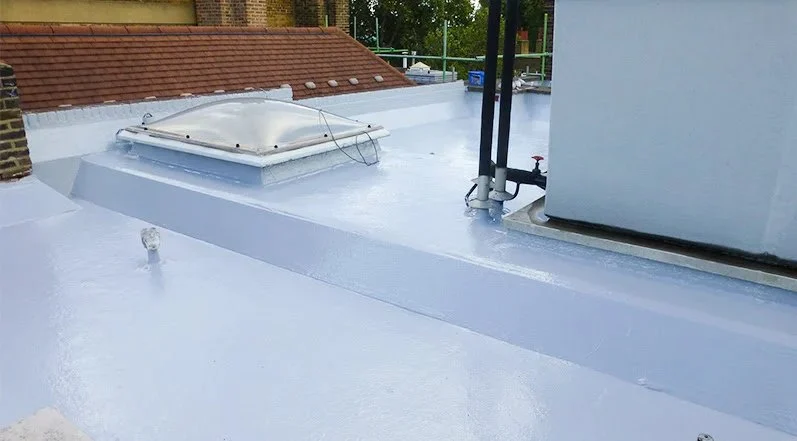
Energy Star rated roofing refers to roofing materials that meet specific criteria established by the U.S. Environmental Protection Agency (EPA) for energy efficiency. These roofs are designed to reflect more sunlight and absorb less heat, which can significantly lower cooling costs in warmer climates. They often feature reflective coatings that reduce the roof’s surface temperature and improve energy performance.
Benefits of Reflective Coating
Reflective coatings on roofs are becoming a popular choice for homeowners who want to increase their roof’s energy efficiency. These coatings can provide several key benefits:

1. Lower Cooling Costs
By reflecting sunlight and heat, a reflective roof coating can help maintain a cooler home in the summer. This reduces the workload on your air conditioning system, leading to lower energy bills.
2. Extended Roof Lifespan
Reflective coatings can also protect your roof from UV damage, reducing wear and tear. As a result, your roof could last longer, saving you money on premature repairs or replacement.
3. Environmental Benefits
Reflective coatings reduce the amount of heat absorbed by buildings, which can help mitigate the heat island effect in urban areas. This contributes to a cooler environment and improved air quality.
Factors Affecting the Cost of Your New Roof
The cost of installing a new roof with an Energy Star rated reflective coating can vary widely depending on several factors. Understanding these factors can help you estimate the total cost of your roofing project.
1. Roof Size
The larger your roof, the more materials and labor will be required, which directly affects the cost. Measure your roof to get an accurate estimate of the size before seeking quotes from contractors.
2. Roof Material
The material you choose for your roof will significantly influence the overall cost. Options like asphalt shingles, metal roofing, and tile roofing all come with different price tags. Energy Star rated coatings can be applied to various roofing materials, but the base material’s cost will still play a role in your total investment.
3. Labor Costs
Labor costs can vary depending on your location and the complexity of the installation. Roofers in larger cities or more competitive markets may charge higher rates than those in smaller towns.
4. Roof Pitch and Accessibility
If your roof has a steep pitch or is difficult to access, the installation will likely take more time and require special equipment, thus increasing the cost.
Average Costs for Energy Star Rated Roofing
The price of a new roof with an Energy Star rated reflective coating typically ranges from $5,000 to $12,000, depending on the size and materials used. Here's a breakdown of common roofing material costs:
1. Asphalt Shingles
Asphalt shingles are the most common roofing material in the U.S. Installing an Energy Star rated reflective coating on asphalt shingles may cost between $5,000 and $8,000 for an average-sized home.
2. Metal Roofing
Metal roofing is more expensive than asphalt but offers higher durability and energy efficiency. The cost of a reflective coating on a metal roof can range from $7,000 to $12,000, depending on the type of metal and the size of the roof.
3. Tile Roofing
Tile roofs, typically made of clay or concrete, are the most expensive option. Installing a reflective coating on tile roofing can cost upwards of $10,000, especially if the roof is large or has a complicated structure.
How to Save on Roof Installation
While installing an Energy Star rated reflective coating on your roof can be a significant investment, there are several ways to save on the overall cost:
1. Obtain Multiple Quotes
It's important to get quotes from several roofing contractors to compare pricing. This will give you a better idea of the going rates in your area and help you make a more informed decision.
2. Consider Financing Options
Many roofing companies offer financing options that can help spread the cost of your new roof over time. This can make the upfront expense more manageable while still allowing you to enjoy the benefits of energy savings.
3. Look for Discounts and Promotions
Some roofing contractors offer discounts for certain seasons or promotions. It’s worth inquiring about any special deals that could help reduce your costs.
4. DIY Preparation
If you're comfortable with the task, consider doing some of the preparatory work yourself, such as removing old shingles or clearing debris. This could help reduce labor costs.


 Green Apple Roofing5.0 (28 reviews)
 AROCON Roofing & Construction4.0 (1742 reviews)
 Brant Roof Installation & Repair5.0 (10 reviews)
 Extreme Remodeling of NY2.0 (5 reviews)
 Quality LLC.3.0 (2 reviews)
 Stone Mountain Roofing LLC5.0 (52 reviews)
 What is a Roofing Contingency in a Home Purchase Contract?
 Roof Square Explained: What it is & Why It’s Important for Roofing Quotes
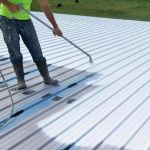 The Average Cost of a Roof Coating for a Large Commercial Building | BeachCo Roofing Hub
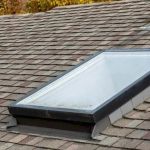 How to Install Roof Flashing on a Roof with Multiple Skylights and Penetrations
 Signs You Need a Roof Replacement: Age, Leaks, Curling Shingles, and More
 How to Choose a Roofing Material for a Building with a Unique Architectural Feature