
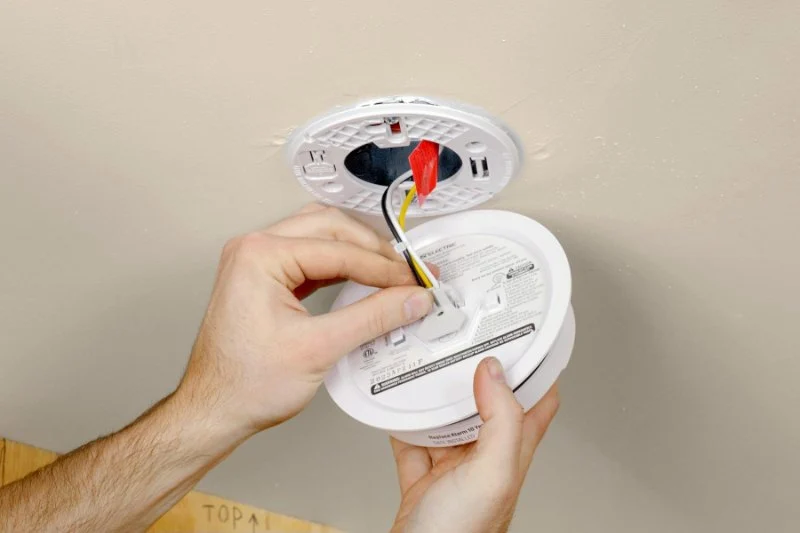
When Water Meets Electricity: Why This Situation Is Critical
- Electrical shock risk - water conducts electricity and can energize fixtures
- Fire hazard potential - short circuits may trigger electrical fires
- Structural damage warning - leaking water may indicate roof or pipe failure
- Hidden ceiling risks - insulation and wiring can become saturated
- Smoke detector malfunction - water exposure can disable safety systems
Seeing Water Dripping from Light Fixture or Smoke Detector is one of the most alarming situations a homeowner can face. It is not just a plumbing issue—it is an immediate electrical emergency that requires fast, calm, and correct action. Many people instinctively try to wipe the water or turn off the fixture, but the real danger lies in what cannot be seen: energized wiring hidden behind the ceiling.
This kind of emergency often happens after heavy rain, roof leaks, or upstairs plumbing failures. In several documented cases across the U.S., homeowners underestimated the situation and delayed action, which led to electrical shorts and expensive structural repairs. Understanding the right response can prevent both injury and property damage.
First Response Actions You Must Take Immediately
Cutting Power Safely Before Anything Else
The first and most important step is to shut off electricity to the affected area. Do not touch the fixture, smoke detector, or any wet surface connected to the ceiling. Instead, go directly to your electrical panel and switch off the circuit breaker controlling that section of the home.
In a real incident in a suburban home in Georgia, a family noticed water dripping through a hallway light. Instead of approaching the fixture, they immediately shut off power to the entire floor. This decision prevented what could have been a serious electrical fire.
Keeping a Safe Distance from the Affected Area
Water and electricity together can create unpredictable hazards. Even if dripping seems slow or minimal, the wiring inside may already be compromised. Stay at least several feet away and avoid walking under the leak.
If the ceiling begins to bulge, it may indicate water accumulation. This can lead to sudden collapse, so evacuation from the immediate area is strongly recommended.
Understanding the Source of the Leak
Roof Failures and Weather-Related Damage
One of the most common causes of water dripping from electrical fixtures is roof leakage. Heavy rain, damaged shingles, or blocked gutters can allow water to seep into ceiling cavities.
A homeowner in Florida once reported water dripping through a smoke detector during a tropical storm. The investigation revealed a small roof crack that had gone unnoticed for months.
Plumbing Line Breaks in Upper Floors
In multi-story homes, leaking pipes in bathrooms or kitchens above can cause water to travel through walls and ceilings before reaching electrical fixtures. This type of leak is particularly dangerous because it spreads invisibly before showing visible signs.
Even a small pipe crack can release enough moisture to damage wiring insulation and create short circuit conditions.
Electrical Risks Hidden Inside the Ceiling
Short Circuit and Arc Flash Hazards
When water enters electrical wiring systems, it can cause short circuits. In severe cases, this may result in arcing—where electricity jumps between exposed wires, generating heat and sparks.
This is why immediate power shutdown is not optional but necessary. The longer electricity flows through a wet system, the higher the risk of fire ignition.
Smoke Detector Failure and Safety Blind Spots
Smoke detectors are designed to protect life, but water exposure can disable them. A wet smoke detector may stop functioning without warning, leaving a home vulnerable during emergencies.
In one case reported in a Texas apartment building, water from an upstairs bathroom leak disabled multiple smoke detectors simultaneously, highlighting how interconnected home systems can fail during water intrusion events.
Safe Containment While Waiting for Help
Preventing Water Spread Without Touching Electrical Fixtures
If it is safe to do so, place a container on the floor to catch dripping water—but only if you can do it without going near the electrical source. Never attempt to dry or open the fixture.
Towels can be used on the floor, but ceiling contact should always be avoided. Water inside ceilings may be heavier than expected, and disturbance could worsen the leak.
Ventilation and Moisture Control
If conditions allow, opening windows in nearby rooms can help reduce humidity and slow down moisture damage. However, this should only be done after ensuring there is no risk of electrical exposure in those areas.
Real-Life Emergency Case: A Near Electrical Fire Incident
A homeowner in California experienced water dripping from a living room light fixture during a winter storm. Initially thinking it was minor condensation, they delayed action. Within 30 minutes, the circuit breaker tripped automatically due to a short.
An electrician later discovered that rainwater had entered through a damaged roof seam and reached exposed wiring. If the breaker had not tripped, the situation could have escalated into a full electrical fire.
This case highlights the importance of taking immediate action and not underestimating even small leaks near electrical components.
When and How to Call Professional Help
Why DIY Repairs Are Dangerous in This Situation
Electrical systems combined with water damage require specialized tools and training. Attempting to fix wiring or ceiling leaks without proper knowledge increases risk significantly.
Professionals use moisture detection tools and circuit testing equipment to safely identify the root cause without exposing themselves or the homeowner to danger.
Coordinating Electrical and Roofing Inspections
In many cases, both an electrician and a roofing or plumbing specialist may be required. Electrical systems must be inspected for safety before power is restored, while the source of water intrusion must be permanently repaired.
Homeowners looking for reliable repair coordination and guidance often turn to trusted service platforms such as BeachCo Roofing Hub, which helps connect property owners with qualified professionals for emergency situations like these.
Preventing Future Electrical Water Emergencies
Routine Roof and Plumbing Maintenance
Regular inspections of roofing materials, gutters, and plumbing systems can significantly reduce the risk of hidden leaks. Preventive maintenance is far more cost-effective than emergency repairs.
Electrical Safety Upgrades in High-Risk Areas
Installing moisture-resistant electrical covers and ensuring proper sealing around ceiling fixtures can add an extra layer of protection in vulnerable areas such as bathrooms and kitchens.
Homes in storm-prone regions should especially consider upgraded waterproofing measures to reduce long-term risk.
Building Awareness for Home Safety
Situations involving Water Dripping from Light Fixture or Smoke Detector are rare but extremely serious. The key to safety is not panic, but immediate and informed action. Understanding how water and electricity interact helps homeowners respond correctly under pressure.
With proper awareness, routine maintenance, and quick emergency response, these dangerous situations can be controlled before they escalate into major hazards.

 Guaillas Roofing Inc.4.0 (172 reviews)
 Wisebuild Construction Dumont Contractors0.0 (0 reviews)
 Lifetime Roofing Systems0.0 (0 reviews)
 Tecta America New England LLC4.0 (4 reviews)
 ILIR'S CONSTRUCTION LLC5.0 (26 reviews)
 Ridley Roofing4.0 (27 reviews)
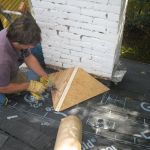 How to Install a Roof Cricket Behind a Complex Wall Intersection
 What is a Roofing Bond and Why is it Important for Large Projects?
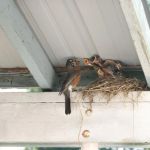 How to Prevent Roof Damage from Nesting Birds and Pests
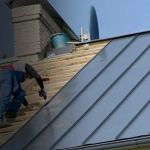 How to Install a Roof Underlayment for Maximum Water Protection
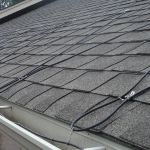 How to Install Roof Heat Cable on a Metal Roof to Prevent Ice
 How to Choose the Best Roofing Material for a Shady, Damp Environment