How Modern Roof Leak Detection Actually Works: What Homeowners Should Know
- Roof-Leak-Detection-Services-thermal-imaging-basics - How thermal imaging reveals hidden roof leaks
- Roof-Leak-Detection-Services-moisture-meters-explained - Understanding moisture meters and how they detect trapped water
- Roof-Leak-Detection-Services-signs-of-hidden-damage - Early warning signs homeowners often miss
- Roof-Leak-Detection-Services-real-case-studies - Real homeowner experiences with leak detection technology
- Roof-Leak-Detection-Services-prevention-and-maintenance - How to prevent leaks before they become costly
- Roof-Leak-Detection-Services-professional-inspection-value - Why expert inspection still matters
How Thermal Imaging Reveals Hidden Roof Leaks
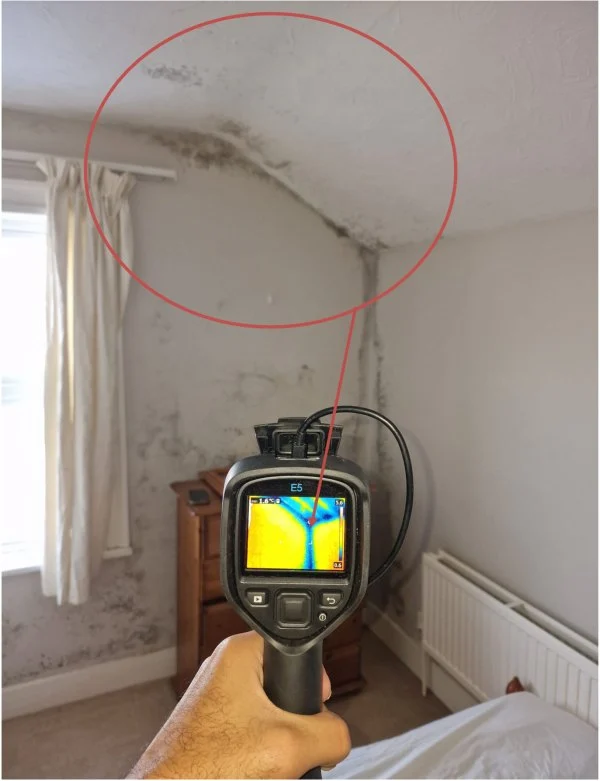
Modern roof leak detection services have evolved far beyond visual inspections and climbing onto rooftops with flashlights. One of the most powerful tools used today is thermal imaging. This technology allows inspectors to “see” temperature differences across roofing surfaces, which often indicate trapped moisture beneath shingles or roofing membranes.
How infrared scanning works in real conditions
Thermal cameras detect heat signatures. Dry insulation and roofing materials retain heat differently than wet ones. When water infiltrates a roof system, it changes how heat is stored and released. This creates “cold spots” on thermal scans that experienced technicians can interpret as potential leak areas.
For example, after sunset, wet areas tend to stay cooler longer than dry materials. Inspectors often perform scans during early morning or evening hours for maximum accuracy.
Why thermal imaging is so effective
Unlike traditional inspections, thermal imaging does not require tearing into the roof. It is non-invasive, fast, and highly accurate when performed by trained professionals. Many homeowners are surprised to learn that visible stains inside the home often represent only a fraction of the actual moisture damage above the ceiling.
Understanding Moisture Meters and Their Role in Leak Detection
While thermal imaging identifies suspicious zones, moisture meters confirm whether water is actually present. These tools are essential in roof leak detection services because they eliminate guesswork.
Pin-type vs pinless moisture meters
Pin-type meters measure moisture by inserting small probes into materials. Pinless meters, on the other hand, scan surfaces without damage. Both methods are widely used depending on the roofing material and inspection goals.
In roofing diagnostics, pinless meters are often preferred for finished surfaces, while pin-type meters may be used in exposed attic insulation or damaged sections.
How readings are interpreted
A trained technician does not rely on a single reading. Instead, they compare multiple data points across different roof sections. Elevated moisture levels combined with thermal anomalies usually confirm an active or past leak.
This combination is what makes professional roof leak detection services significantly more reliable than DIY inspection attempts.
Early Warning Signs Homeowners Often Miss
Many roof leaks go unnoticed for months because the signs are subtle at first. Homeowners often only notice the problem when water stains appear on ceilings, but by then, damage may already be significant.
Subtle indoor indicators
Small discoloration patches, musty odors in attic spaces, or peeling paint near ceiling edges are all early red flags. These signs often indicate moisture intrusion long before visible dripping occurs.
Exterior roof indicators
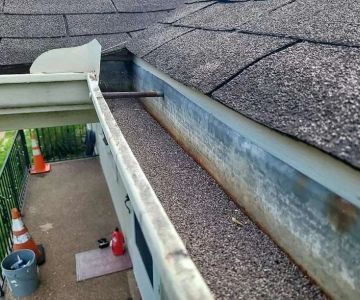
Missing shingles, warped flashing, or clogged gutters can contribute to hidden leaks. However, not all damage is visible from the ground, which is why professional detection tools are essential.
Common homeowner misconception
A common misunderstanding is that a roof must have visible damage to leak. In reality, many leaks occur due to microscopic cracks or improper sealing around vents and chimneys.
Real Homeowner Experiences With Leak Detection Technology
A homeowner in a coastal neighborhood once reported persistent ceiling stains after heavy rain. Traditional inspections failed to locate the issue. However, roof leak detection services using thermal imaging revealed moisture trapped beneath a seemingly intact section of roofing.
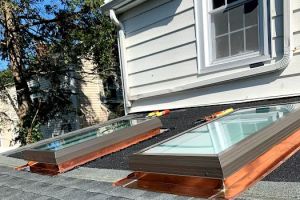
Once confirmed with moisture meters, the issue was traced to a poorly sealed skylight frame. Without this technology, the homeowner would have continued repairing interior damage without addressing the root cause.
In another case, a family experienced rising energy bills during winter. Thermal scanning revealed wet insulation that was reducing thermal efficiency. After repairs and insulation replacement, their energy costs dropped noticeably.
Prevention and Long-Term Roof Maintenance Strategies
Preventing roof leaks is always more cost-effective than repairing them. Regular inspections using modern diagnostic tools help identify weak points before they become major issues.
Seasonal inspection importance
Roof systems expand and contract with temperature changes. Seasonal inspections help identify stress points caused by weather fluctuations, especially in regions with heavy rain or snow.
Maintenance habits that reduce risk
Keeping gutters clean, trimming overhanging branches, and checking attic ventilation all contribute to a healthier roofing system. These small actions reduce the likelihood of moisture buildup.
When to consider professional inspection
After major storms, sudden temperature shifts, or visible interior staining, scheduling a professional inspection is highly recommended. Companies like BeachCo Roofing Hub provide advanced diagnostic evaluations to ensure no hidden issues remain undetected.
Why Professional Inspection Still Matters Most
Even with advanced tools available, experience remains the most critical factor in accurate diagnosis. Thermal imaging and moisture meters are only as effective as the technician interpreting the data.
Data interpretation expertise
Not every cold spot means a leak, and not every moisture reading indicates active damage. Skilled inspectors understand roofing systems deeply enough to distinguish between harmless anomalies and real threats.
Integrated diagnostic approach
The best roof leak detection services combine multiple technologies with hands-on inspection. This layered approach reduces false positives and ensures precise repair planning.
Long-term value for homeowners
Investing in professional inspection often prevents thousands of dollars in structural repairs. Early detection protects insulation, framing, and interior finishes from long-term moisture damage.
For homeowners seeking reliable solutions and expert guidance, BeachCo Roofing Hub offers advanced inspection services designed to identify hidden roof issues before they escalate.
 My Way Construction LLC4.0 (119 reviews)
 Glenn Contracting LLC5.0 (4 reviews)
 Black Anchor Roofing5.0 (181 reviews)
 Garden State Roofing Flat Roof Specialist5.0 (112 reviews)
 Best Way Roofing LLC4.0 (213 reviews)
 Mid Atlantic Roofing & Siding0.0 (0 reviews)
 What is a Roofing Maintenance Plan and Is It Worth It? | Benefits and Considerations
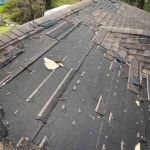 Roof Repair vs Roof Restoration | Key Differences Explained | BeachCo Roofing Hub
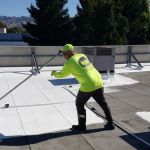 The Average Cost of a Roof Coating with a 10-Year Warranty
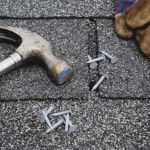 The Best Roofing Nails for Asphalt Shingles: Length and Material
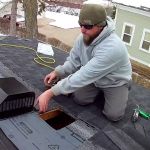 How to Install Roof Vents on a Manufactured Home: A Step-by-Step Guide
 What is a Roofing System Health Report? A Proactive Assessment Tool