
- - understanding roof flashing and its proper installation
- - common mistakes when flashing is installed backward
- - hidden leaks and structural risks caused by improper flashing
- - identifying signs of backward roof flashing
- - real-life cases of water damage from improper flashing
- - preventive measures and professional installation tips
- - maintaining roof integrity and long-term protection strategies
- - consulting experts and resources at BeachCo Roofing Hub
1. Understanding Roof Flashing and Its Proper Installation
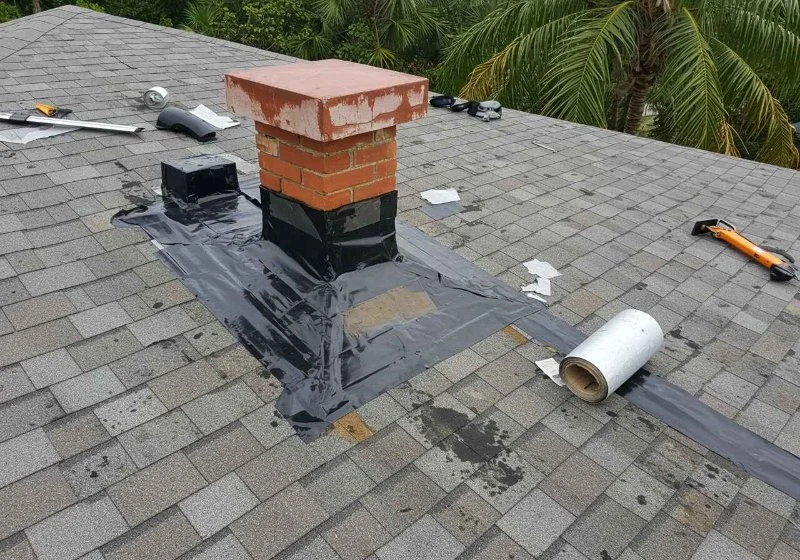
Roof flashing is a critical component of roofing systems designed to prevent water intrusion at vulnerable points such as roof valleys, chimneys, vents, and skylights. Proper installation ensures that water flows over the flashing and off the roof, maintaining a watertight barrier. When correctly aligned, flashing integrates with shingles or roofing materials to create a seamless protective layer.
The primary function of roof flashing is straightforward, but the installation process requires precision. Flashing must be positioned so that each overlapping layer directs water downward, away from the roof deck. Any deviation from this intended orientation compromises its effectiveness, leaving the roof susceptible to leaks.
Homeowners and roofing professionals alike should recognize that even small errors in alignment, positioning, or nailing patterns can result in long-term problems. Proper flashing is not merely a visual component; it is the first line of defense against costly water damage.

2. Common Mistakes When Flashing Is Installed Backward
Backward roof flashing occurs when the metal or protective material is oriented opposite to the intended water flow. Instead of guiding rain away from seams and vulnerable roof sections, it traps water against the roof deck. This mistake is often subtle, leaving the roof appearing intact while causing unseen structural harm.
Some common errors that lead to backward flashing include:
- Installing step flashing underneath shingles rather than over them
- Reversing counter flashing around chimneys or vents
- Misaligning valley flashing so that water is directed toward the roof deck instead of off it
- Failing to properly overlap adjacent sections, allowing water to seep underneath
These errors often occur due to inexperience, rushed installation, or miscommunication between contractors and homeowners. Even seasoned roofers can make subtle mistakes if attention to detail is compromised.
JP Carroll Roofing
BloomfieldCapitol Planning RegionConnecticut
135 W Dudley Town Rd, Bloomfield, CT 06002, USA
3. Hidden Leaks and Structural Risks Caused by Improper Flashing
Backward roof flashing leads to hidden leaks that are difficult to detect until significant damage has occurred. Water trapped beneath shingles or metal edges gradually infiltrates the roof deck, attic, and insulation. Over time, this can result in:
- Wood rot in roof decking and structural supports
- Mold and mildew growth within attics and interior walls
- Staining and ceiling damage inside the home
- Degradation of insulation efficiency and increased energy costs
Unlike obvious leaks, these hidden water pathways often go unnoticed for months, silently compromising roof integrity. Once extensive damage occurs, repairs become costly, requiring not only roof replacement but also interior restoration.
4. Identifying Signs of Backward Roof Flashing
Detecting backward flashing early can prevent major damage. Homeowners should look for subtle indicators that water is not being directed properly, including:
- Persistent water stains on ceilings or walls
- Moss, algae, or water streaks forming along roof seams
- Loose or curling shingles at flashing junctions
- Drips or moisture in attic spaces after rain
Professional roof inspections are particularly valuable, as experts can identify improper flashing orientation before visible damage occurs. Using infrared cameras or moisture meters, roofing contractors can detect hidden water accumulation beneath shingles or flashing components.
5. Real-Life Cases of Water Damage from Improper Flashing
Consider a suburban homeowner who noticed minor ceiling discoloration after heavy rains. Upon inspection, it was discovered that valley flashing had been installed backward during a previous roof repair. Over several months, water had infiltrated the roof deck, resulting in rot and a mold outbreak in the attic.
Another case involved a chimney with misaligned counter flashing. Despite no visible roof leaks for nearly a year, water slowly seeped behind the flashing, compromising insulation and creating structural weaknesses. Only after professional evaluation was the backward installation identified and corrected.
These cases demonstrate that improper flashing is not immediately obvious but can cause long-term damage that escalates repair costs. Early recognition and corrective action are crucial.
6. Preventive Measures and Professional Installation Tips
Preventing backward flashing begins with education and professional expertise. Homeowners should ensure that roofing contractors follow established installation guidelines, including:
- Correct orientation of step and counter flashing relative to shingles
- Proper overlapping of metal sections and secure fastening
- Routine inspection of valleys, chimneys, and roof penetrations
- Using high-quality materials compatible with the roof system
DIY installations carry significant risk, as slight miscalculations can result in hidden leaks. Professional contractors not only understand water flow dynamics but also have the tools and experience to ensure long-lasting flashing integrity.
7. Maintaining Roof Integrity and Long-Term Protection Strategies
Regular roof maintenance plays a key role in mitigating issues caused by backward flashing. Scheduled inspections, gutter cleaning, and early repair of minor damage prevent water from accumulating and worsening hidden leaks.
Long-term strategies include reinforcing flashing around vulnerable areas, using premium sealants, and ensuring proper attic ventilation to reduce moisture accumulation. These measures preserve roof longevity and protect the home from structural damage.
Incorporating a maintenance plan into homeownership ensures that even minor roofing issues are addressed proactively, preventing the gradual effects of hidden leaks from backward flashing.
8. Consulting Experts and Resources at BeachCo Roofing Hub
For homeowners seeking guidance on proper roof flashing installation or repair, BeachCo Roofing Hub offers professional advice, product recommendations, and reliable contractor referrals. By leveraging expert resources, homeowners can avoid common mistakes, ensure correct flashing orientation, and safeguard their homes from hidden leaks.
Whether planning a roof replacement or evaluating potential damage, consultation with roofing experts ensures confidence in the installation process and long-term structural protection.
Understanding what happens when roof flashing is installed backward highlights the importance of proper orientation, regular maintenance, and professional oversight. Hidden leaks may not appear immediately but can cause severe damage if left unaddressed. Taking proactive steps ensures that roofs remain secure, durable, and effective against water intrusion.



 American Custom Contractors5.0 (3 reviews)
 New Age Home Improvements0.0 (0 reviews)
 Werkheiser Painting & Roofing3.0 (13 reviews)
 New Roof & Roofing Repairs Nassau County - Panther Roofing Contractors4.0 (404 reviews)
 Roof Tech Solutions5.0 (4 reviews)
 Results Contracting5.0 (9 reviews)
 How to Repair a Roof Leak in a Building with a Thatched Roof (Modern Methods)
 The Cost of a New Roof with Added Insulation for Energy Efficiency: What You Need to Know
 How to Install a Roof Cricket Behind a Skylight | Expert Roofing Guide
 How to Repair a Roof Truss or Rafter Damaged by Water or Pests
 How to Install Roof Flashing on a Roof with a Combination of Steep and Flat Sections
 How to Install a Roof Underlayment for a Roof with Many Penetrations | BeachCo Roofing Hub