
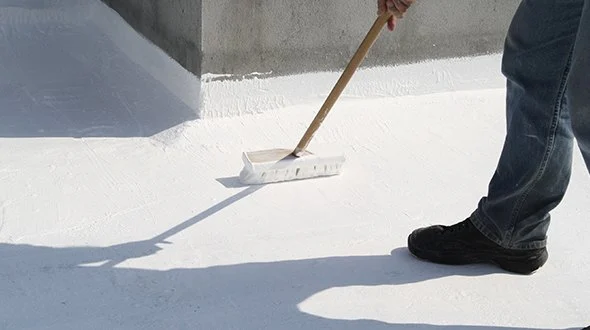
1. Understanding Roof Coating Lifespan
For U.S. homeowners and property managers, understanding the lifespan of different types of roof coatingsis more than a technical detail—it directly affects long-term maintenance costs and building protection.Roof coatings are often marketed as a way to extend roof life, but how long they actually last depends onmultiple factors that are easy to overlook.
From suburban homes in the Midwest to commercial buildings along the coasts, roof coatings are used toprotect against UV damage, water intrusion, and temperature extremes. Knowing what lifespan to realisticallyexpect helps owners plan inspections, budgets, and reapplication schedules with confidence.
United We Stand LLC
KillinglyNortheastern Connecticut Planning RegionConnecticut
26 Soap St, Dayville, CT 06241, USA
2. Why the Lifespan of Roof Coatings Can Differ
No two roofs age the same way. Climate plays a major role in roof coating durability. Intense sun exposurein states like Arizona or Nevada can shorten a coating’s lifespan, while freeze-thaw cycles in northernstates stress materials differently.
Installation quality also matters. Even the most durable roof coating can fail early if the surface wasnot properly cleaned, repaired, and primed. Ongoing maintenance, such as clearing debris and addressingminor damage early, can add years to a coating’s usable life.
Roof slope, foot traffic, and drainage patterns further influence how evenly a coating wears over time.These factors explain why published lifespan ranges should be viewed as guidelines rather than guarantees.

Carlos Strawder Creative Solutions LLC
AugustaHampshire CountyWest Virginia
355 Hillside Dr, Augusta, WV 26704, USA
3. Acrylic Roof Coating Durability
Acrylic coatings are widely used across the United States, especially on sloped and low-slope roofs.On average, an acrylic roof coating lasts between 5 and 10 years, depending on exposure and maintenance.
Their biggest advantage is UV resistance. Acrylic coatings reflect sunlight effectively, helping reduceheat buildup inside buildings. However, they are more sensitive to standing water, which can reduce theirlifespan if drainage issues are not addressed.
Many homeowners choose acrylic coatings for their balance of affordability and performance. With periodicrecoating, some roofs using acrylic systems have remained functional for well over a decade.
4. Silicone Roof Coating Performance
Silicone roof coatings are known for their water resistance and longer lifespan. In many cases, siliconecoatings last 10 to 20 years, making them a popular option for flat or low-slope roofs prone to ponding water.
Unlike other coatings, silicone maintains flexibility and adhesion even under constant moisture exposure.This makes it particularly appealing in coastal regions and areas with heavy rainfall.
The trade-off is cost. Silicone coatings typically require a higher upfront investment, but many propertyowners consider the longer lifespan and reduced maintenance worth the expense.
5. Polyurethane Roof Coating Longevity
Polyurethane coatings are often chosen for roofs that experience frequent foot traffic or mechanical stress.These coatings typically last 10 to 15 years and are valued for their impact resistance and durability.
There are two main types: aromatic and aliphatic polyurethane coatings. Aromatic versions are tougher butless UV-stable, while aliphatic coatings provide better color and UV resistance, often serving as a top layer.
Because of their strength, polyurethane coatings are commonly used on commercial and industrial buildingswhere durability is a priority.
6. Asphalt-Based Roof Coating Usage
Asphalt-based roof coatings are among the oldest options still in use today. Their lifespan generally rangesfrom 3 to 7 years, making them a more short-term solution.
These coatings are often used for temporary repairs or budget-conscious projects. While they provide solidwaterproofing, they are less effective at reflecting heat and can degrade faster under UV exposure.
In many cases, asphalt coatings are applied as part of a broader maintenance plan rather than a long-termroofing strategy.
7. Real-World Examples from U.S. Property Owners
A widely shared case involved a Texas warehouse that applied a silicone roof coating after repeated leaks.Ten years later, inspections showed minimal wear, even after multiple severe storms. The owner creditedproper surface prep and regular inspections for the coating’s longevity.
In contrast, a small apartment building in the Northeast used an acrylic coating without addressing drainageissues. Ponding water led to early degradation, requiring recoating after just five years. The experiencehighlighted how environmental factors can override material expectations.
8. Choosing the Right Roof Coating for Long-Term Results
Selecting the right option requires balancing lifespan expectations, climate conditions, and budget. Thelifespan of different types of roof coatings should always be evaluated alongside roof condition and futuremaintenance plans.
Many U.S. homeowners and contractors turn to BeachCo Roofing Hub to explore solutions tailored to specificroof types and regional challenges. Having access to expert guidance and well-matched products can make anoticeable difference in long-term performance.
Ultimately, a roof coating is an investment. When chosen thoughtfully and maintained properly, it can extendroof life, improve energy efficiency, and provide peace of mind for years to come.

 Cedar Valley Exteriors, Inc.4.0 (151 reviews)
 Mighty Dog Roofing of Martinsburg5.0 (5 reviews)
 Hybrid Roofing and Renovations4.0 (82 reviews)
 Master Pro Roofing & Construction4.0 (127 reviews)
 David's Roofing and Restorations, LLC5.0 (51 reviews)
 Lasher Roofing & Contracting5.0 (1 reviews)
 How to Find a Reputable Roofing Contractor Near You: 10 Essential Checks
 How to Install Roof Vents on a Manufactured Home: A Step-by-Step Guide
 The Cost of a New Roof with Enhanced Algae Resistance Warranty
 How to Read a Roofing Estimate: Understanding Line Items and Avoiding Hidden Fees
 How to Prevent Roof Damage from Overflowing Gutters During Heavy Rain
 How to Choose a Roofing Material for a Building with a Unique Architectural Feature